
Filter by





























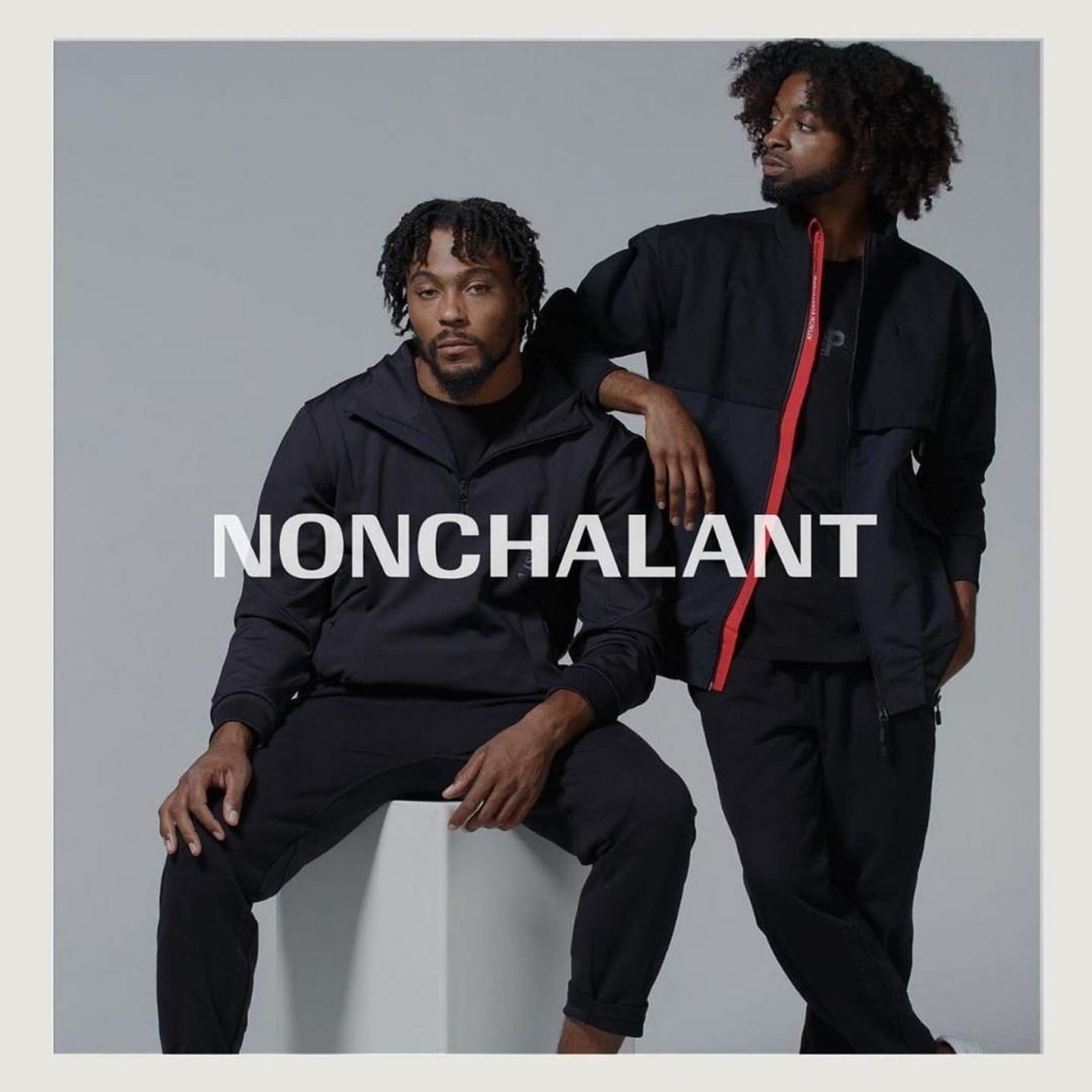
Nonchalant
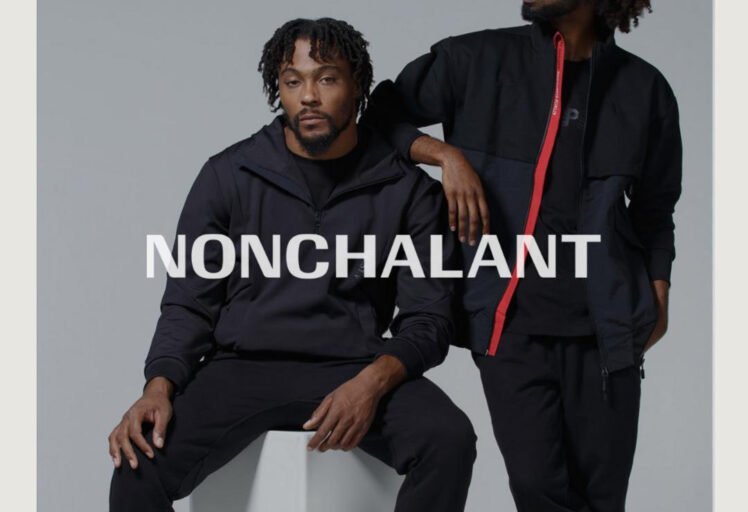
Brand Strategy, Design, and Identity for a techwear fashion brand built for movement, contrast, and stoic adaptability.

Founder Story: Eric Berry and the Origin of Nonchalant
Nonchalant was shaped by the story and perspective of founder Eric Berry, whose life and career made adaptability more than a design concept.
Berry, a former Kansas City Chiefs safety and Tennessee Volunteers standout, built his career through discipline, preparation, and composure under pressure. He was a five-time Pro Bowler, three-time First-Team All-Pro, College Football Hall of Fame inductee, and one of the defining defensive players of his generation.
But the deeper foundation of Nonchalant came from what Berry endured beyond performance.
In 2014, Berry was diagnosed with Hodgkin’s lymphoma. After chemotherapy and being declared cancer free, he returned to the NFL for the 2015 season and was named to the Pro Bowl, the AP All-Pro team, and the 2015 AP Comeback Player of the Year.
That return became central to the brand’s philosophy.
Nonchalant was not created as an attitude of indifference. It was created from the lived discipline of staying composed when circumstances change. It reflects Berry’s understanding that you cannot always control the condition, the environment, the injury, the diagnosis, or the outcome. You can control your response.
That perspective became the strategic foundation for the brand.
The apparel had to carry that same idea: functional, adaptable, understated, and built for movement through contrast. The visual identity had to reflect composure without becoming passive. The garments had to feel intentional without feeling overdesigned.
For Channing & Company, the work was about translating Berry’s story into a brand system. Nonchalant became a fashion brand rooted in resilience, restraint, utility, and stoic adaptability.

Eric Berry, Founder of Nonchalant
Techwear brand strategy and visual identity design by Channing Bailey and Channing & Company.
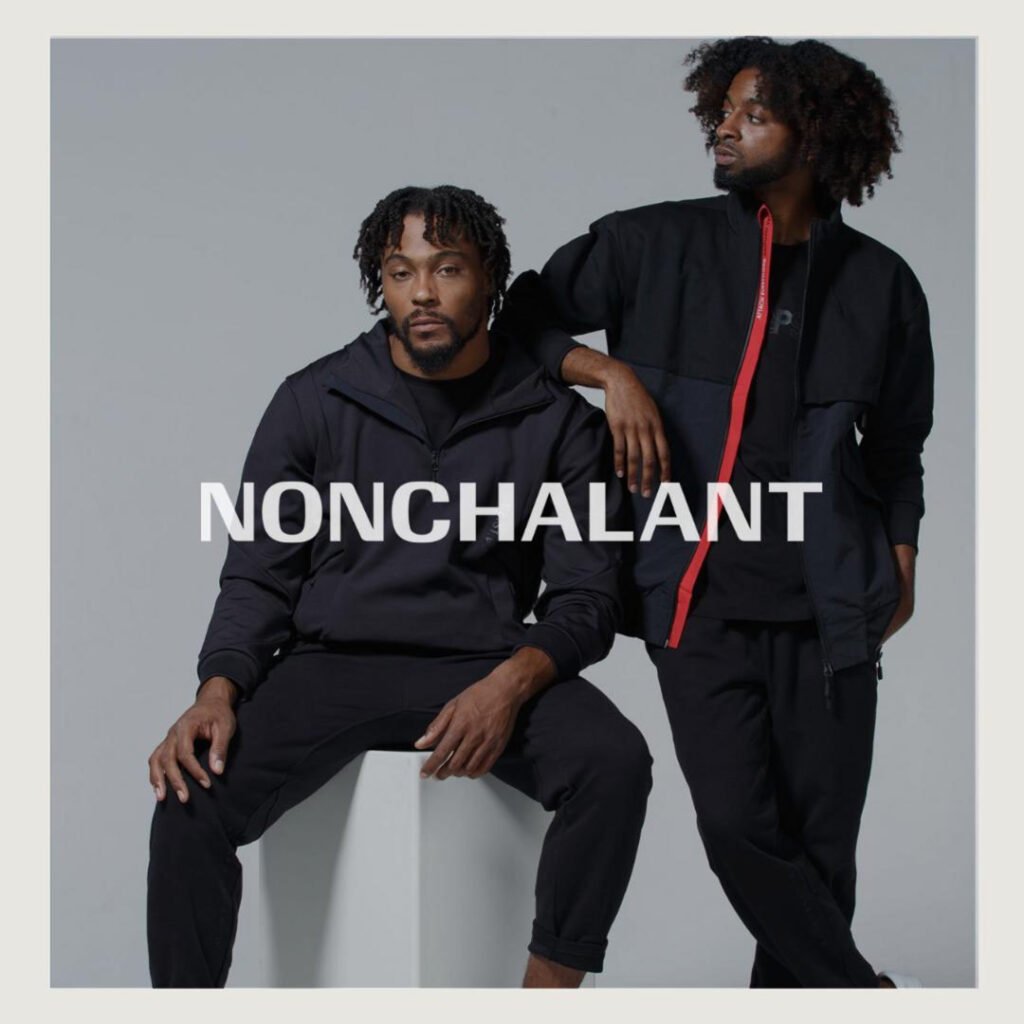
Nonchalant is a techwear fashion brand built around stoic adaptability, functional design, and quiet confidence.
Channing Bailey and Channing & Company were invited to define the brand strategy, visual identity, logo design, brand expression, and Season One identity system for Nonchalant. The work translated the brand’s name into a complete strategic and visual language rooted in composure, movement, utility, and adaptability.
The result was a brand identity system designed to do what the brand believes: adapt to its environment without losing form.


The Challenge
Creating a fashion brand identity with a point of view.
Nonchalant needed more than a name, logo, or apparel collection. It needed a complete brand language.
The opportunity was to create a fashion brand that felt understated but unmistakable. A brand that could live in streetwear, techwear, and contemporary apparel while carrying a deeper philosophy.
The collection needed to move between varied and often contrasting environments. The garments needed to support the journey of the day, not simply the look of the moment.
The core question
How do you build a fashion identity around composure, utility, and adaptability without losing cultural edge?
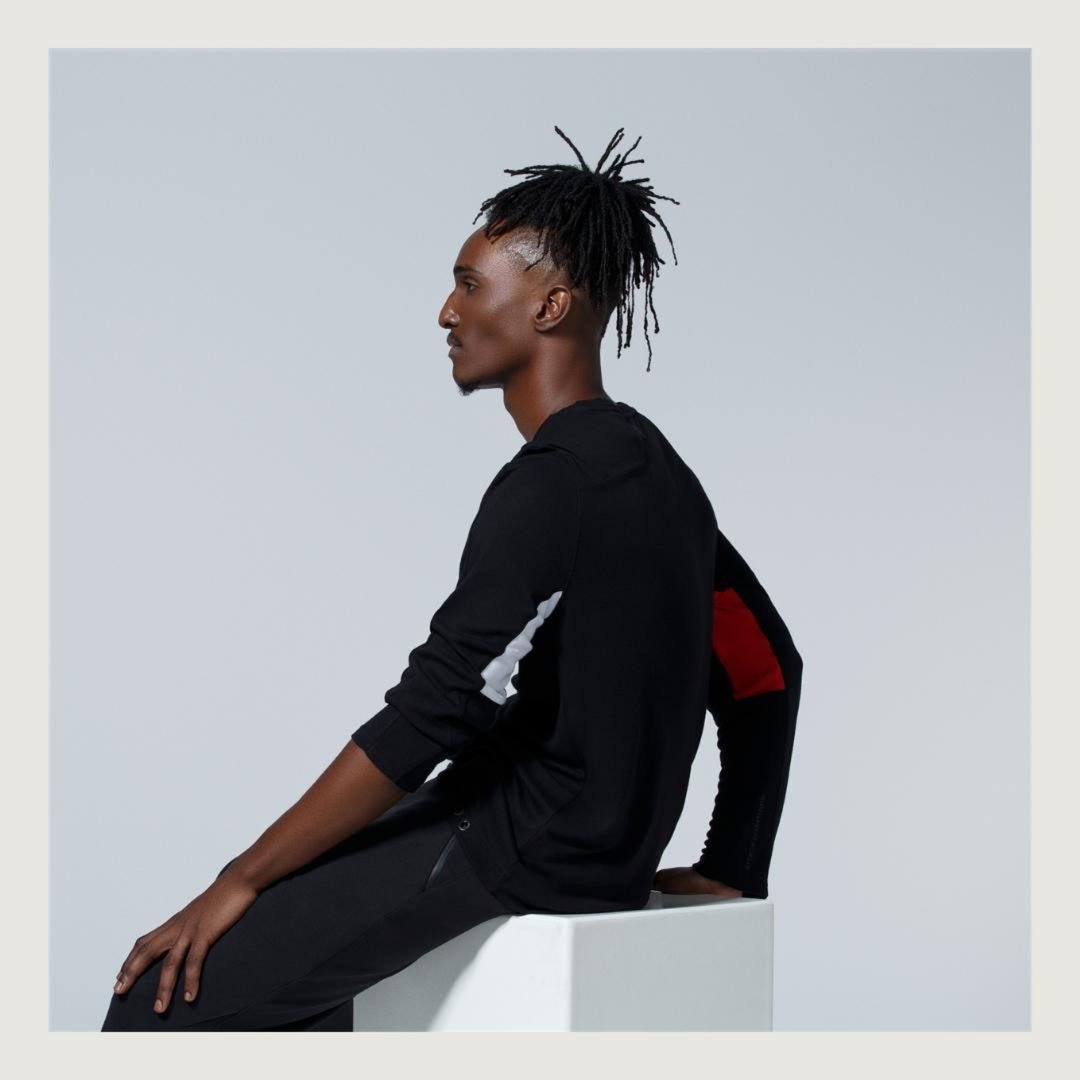
"Nonchalant was designed as a mindset first. The identity, garments, and collection all had to express the same principle: move through every environment with control.”
The Strategic Idea
Stoic Adaptability
Nonchalant’s ethos is its name. The brand is rooted in the discipline of approaching each circumstance with stoic indifference. Ups or downs. Control or uncertainty. Comfort or pressure.
The Nonchalant understand that external events are beyond our control. What remains in our power is how we think, how we respond, and how we move.
That philosophy became the strategic foundation for the brand.
Brand thesis
Nonchalant is a techwear fashion brand for people who move through changing environments with control, restraint, and quiet confidence.
The Visual Identity
A logo system designed to adapt.
Channing Bailey and Channing & Company developed the Nonchalant visual identity as both a wordmark and a symbol system.
The primary wordmark uses bold, direct letterforms to create immediate recognition. It feels clean, assertive, and durable. The mark carries the restraint of the brand while giving it enough presence to hold space across garments, labels, campaign imagery, and digital content.
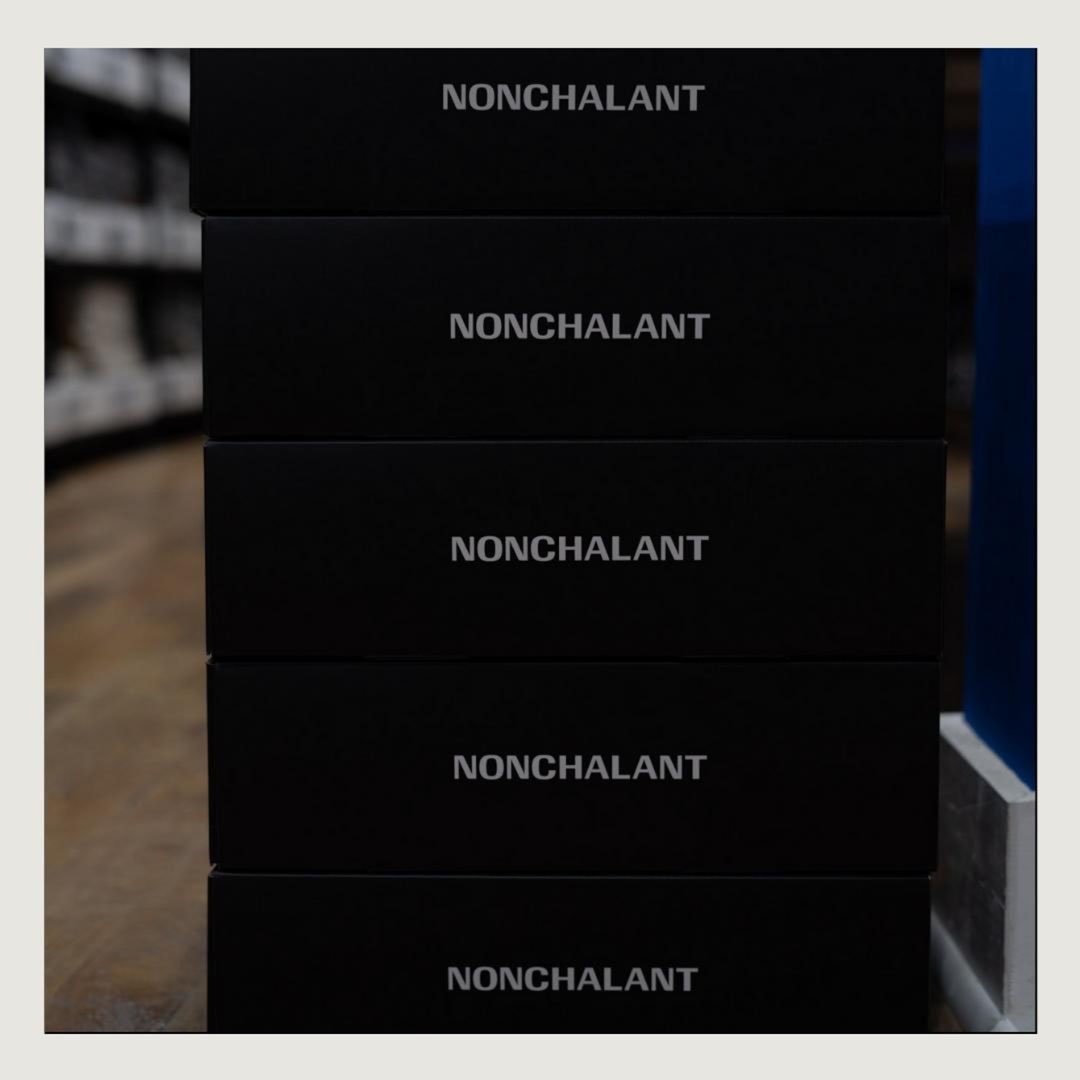
The monogram extends the system into a more compact identity. It creates a graphic shorthand for the brand, giving Nonchalant a mark that can operate on product details, tags, hardware, packaging, and social assets.
The identity system was built to express four key principles:
The mark needed to work across apparel, digital, and physical applications.
The logo could be read and interpreted across changing orientations.
The system avoided unnecessary decoration and relied on structure, proportion, and contrast.
The visual language needed to remain clear across product, campaign, and brand environments.
Nonchalant Design Ethos —Stoicism in a streetwear brand identity.
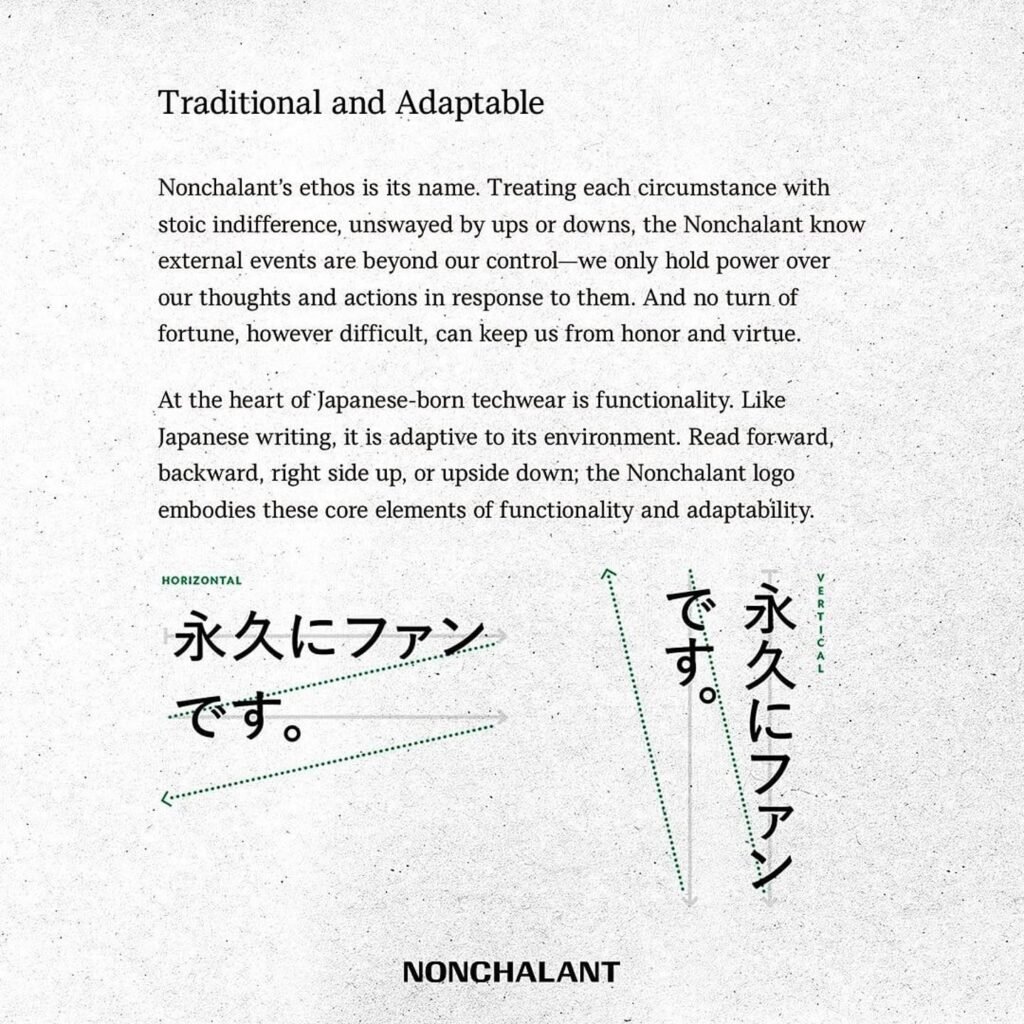
This adaptable monogram logo embodies Stoicism. Built around the Dichotomy of Control, this adaptable monogram logo reads in any stance—upright, mirrored, inverted.
Influenced by Japanese typography and Stoic Virtues like The Obstacle Is the Way, the design puts function first.
The Brand Concept
Traditional and Adaptable
At the heart of techwear is functionality. Nonchalant’s identity was designed to reflect that same functional logic. Like Japanese writing, which can adapt to different reading orientations, the Nonchalant logo was created to work across multiple directions.
Forward. Backward. Right side up. Upside down.
The identity is not only something you see. It is something that behaves. That became the central design concept: a brand mark that embodies adaptability through its own structure.
The Apparel Design
Designed for the journey of the day.
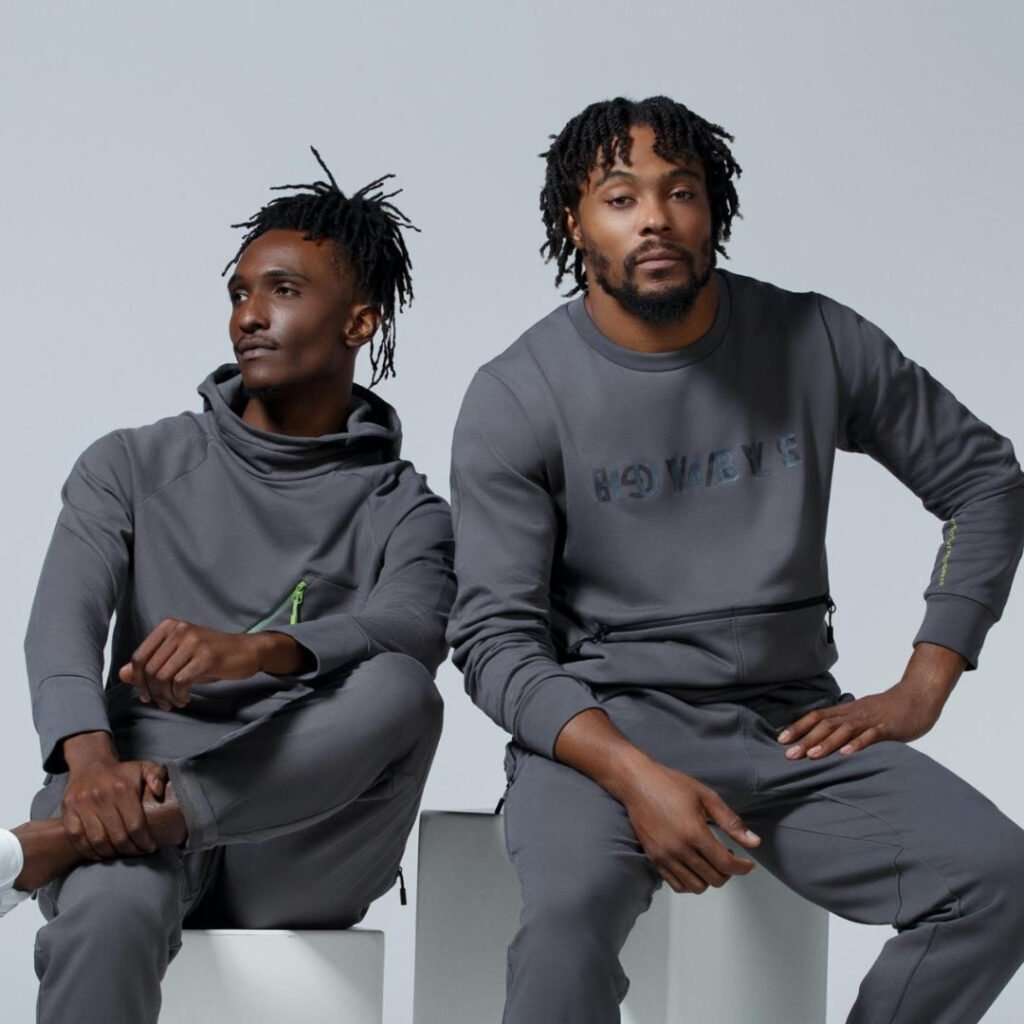
Each garment was designed to move seamlessly and without obstruction.
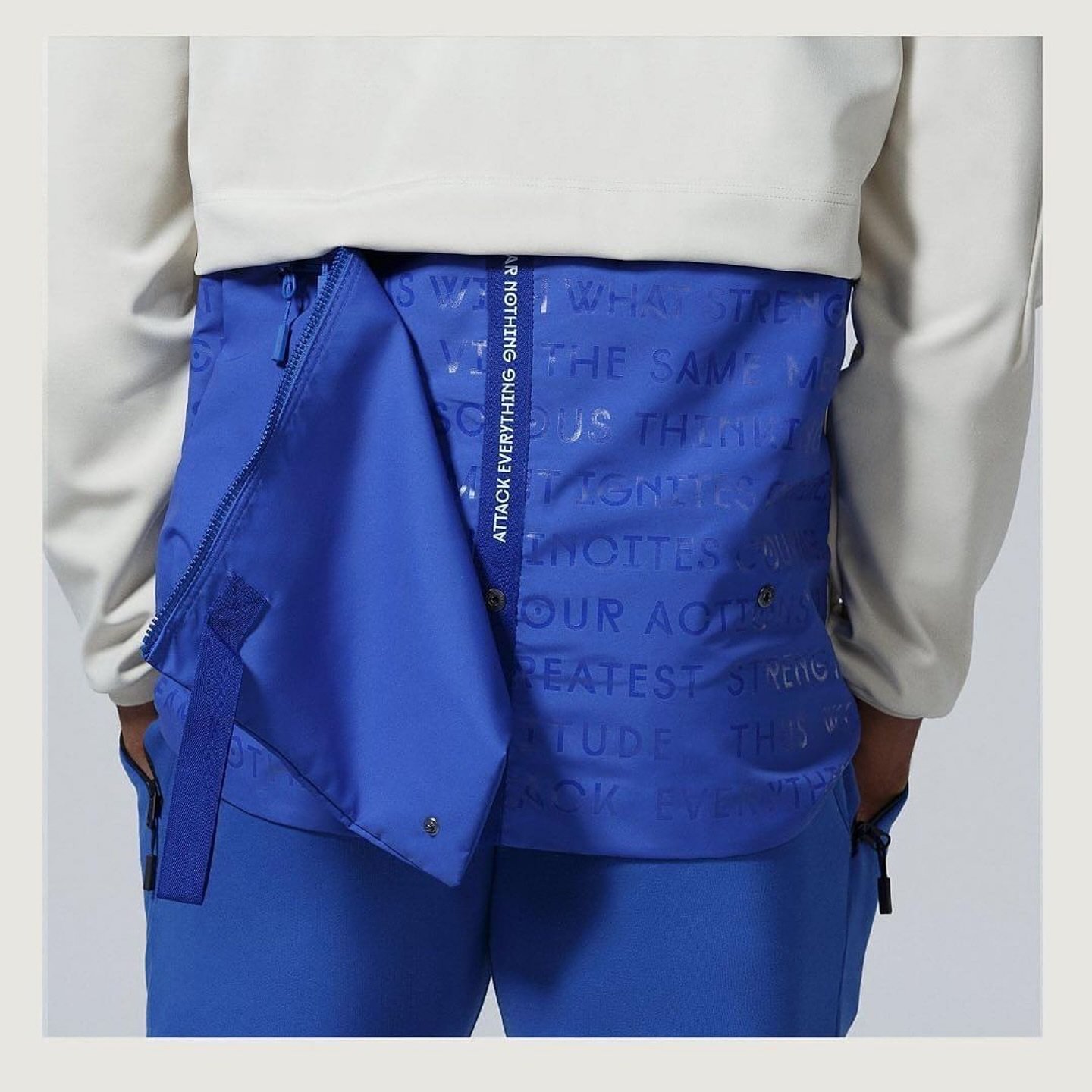
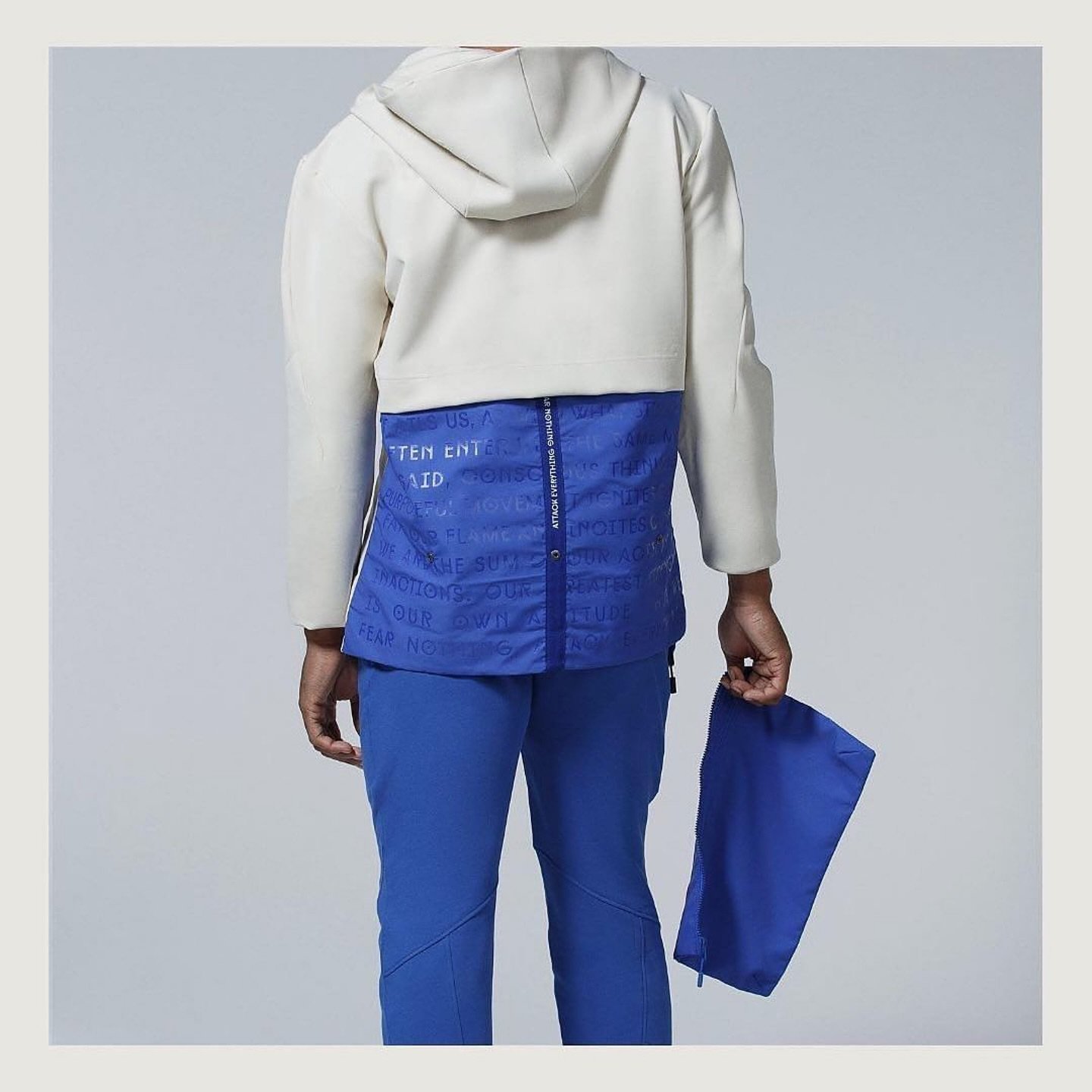
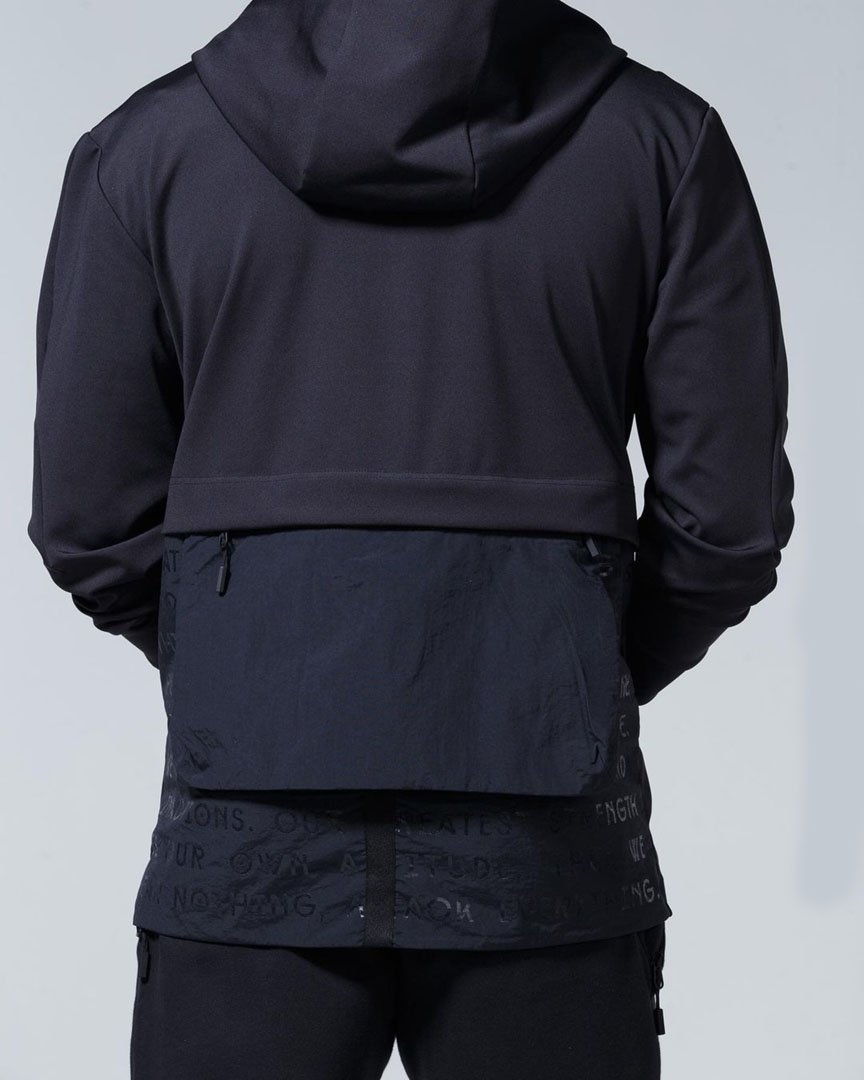
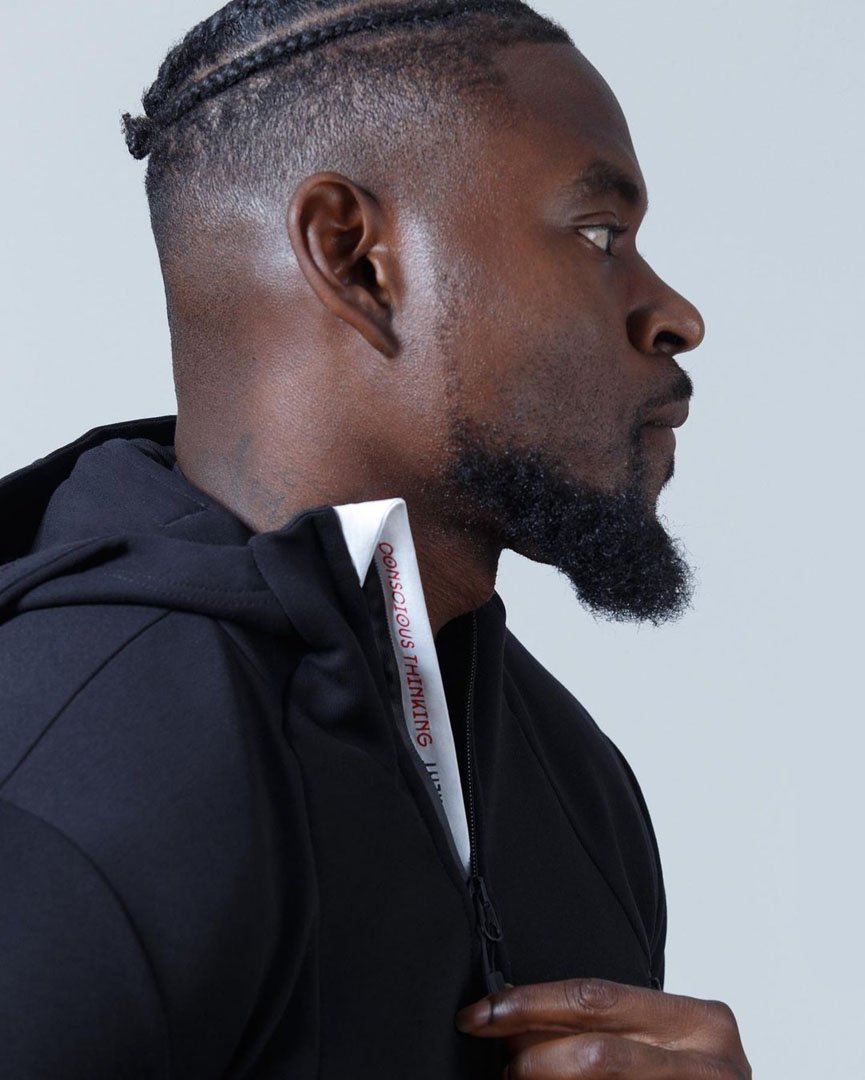
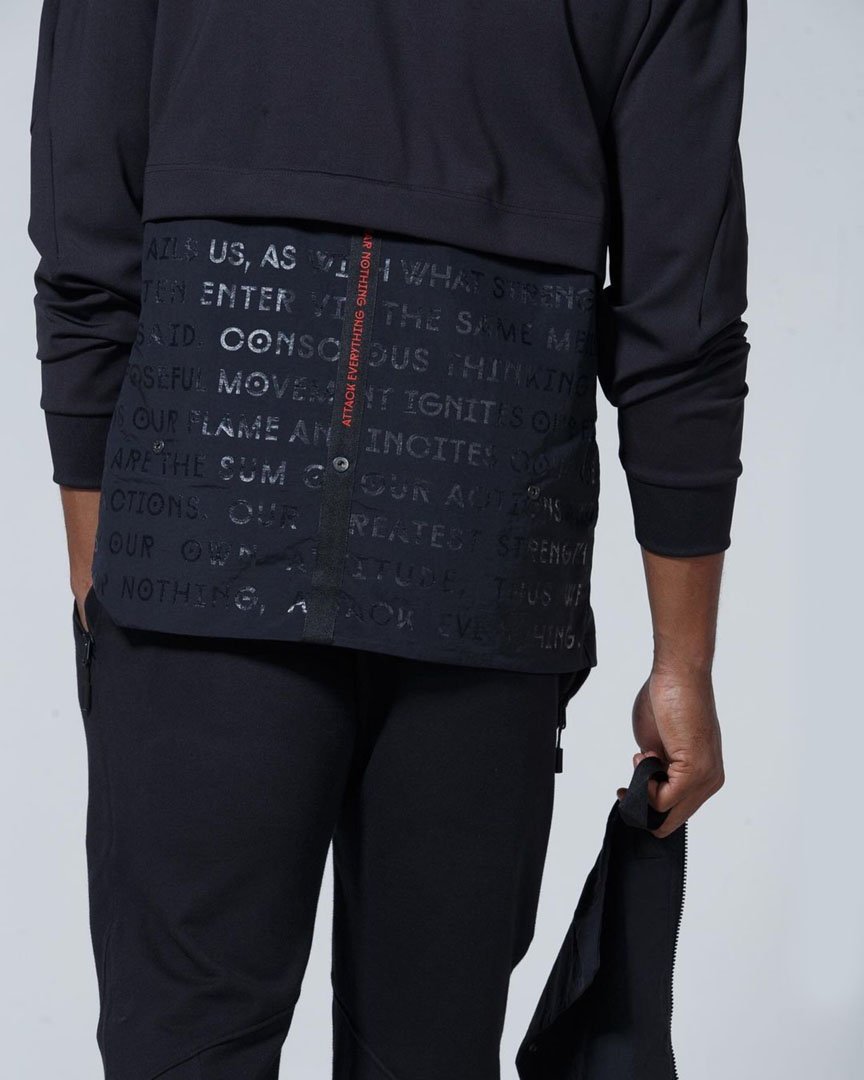
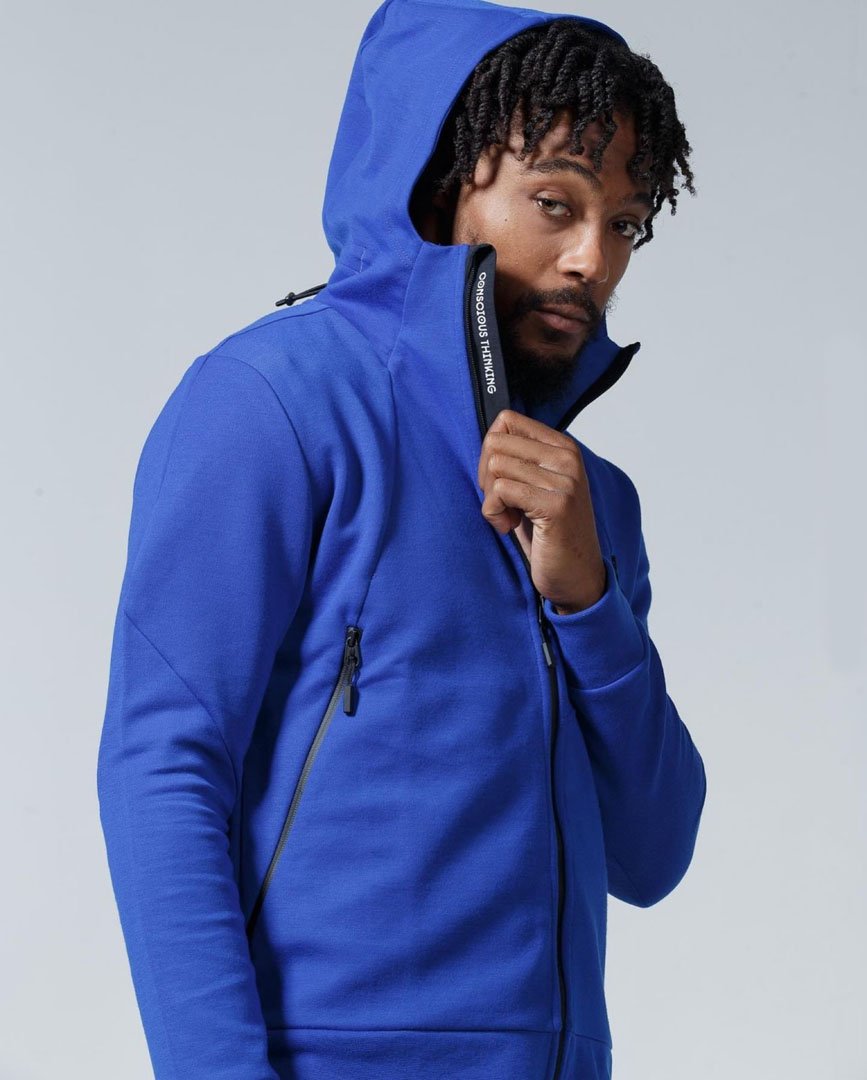
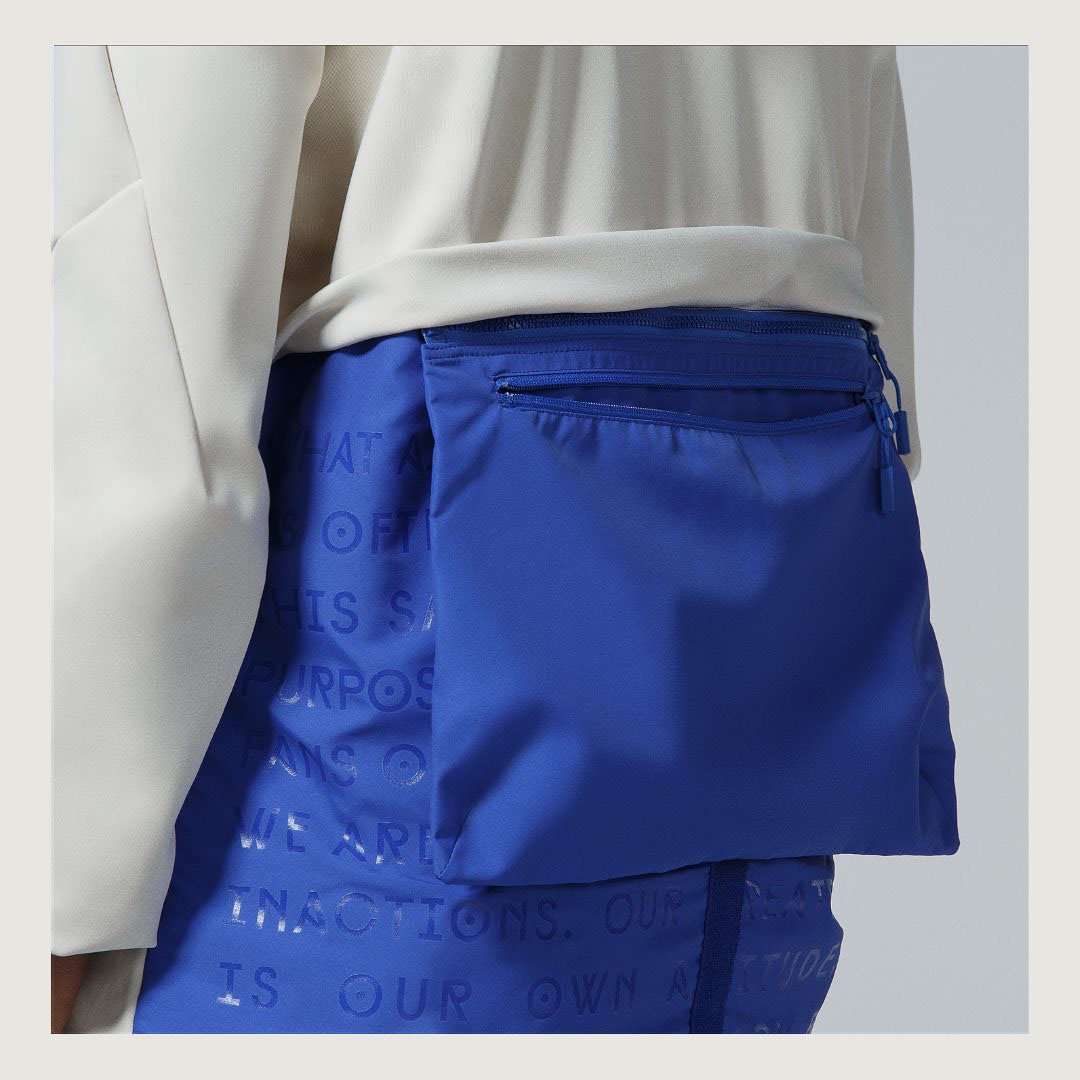
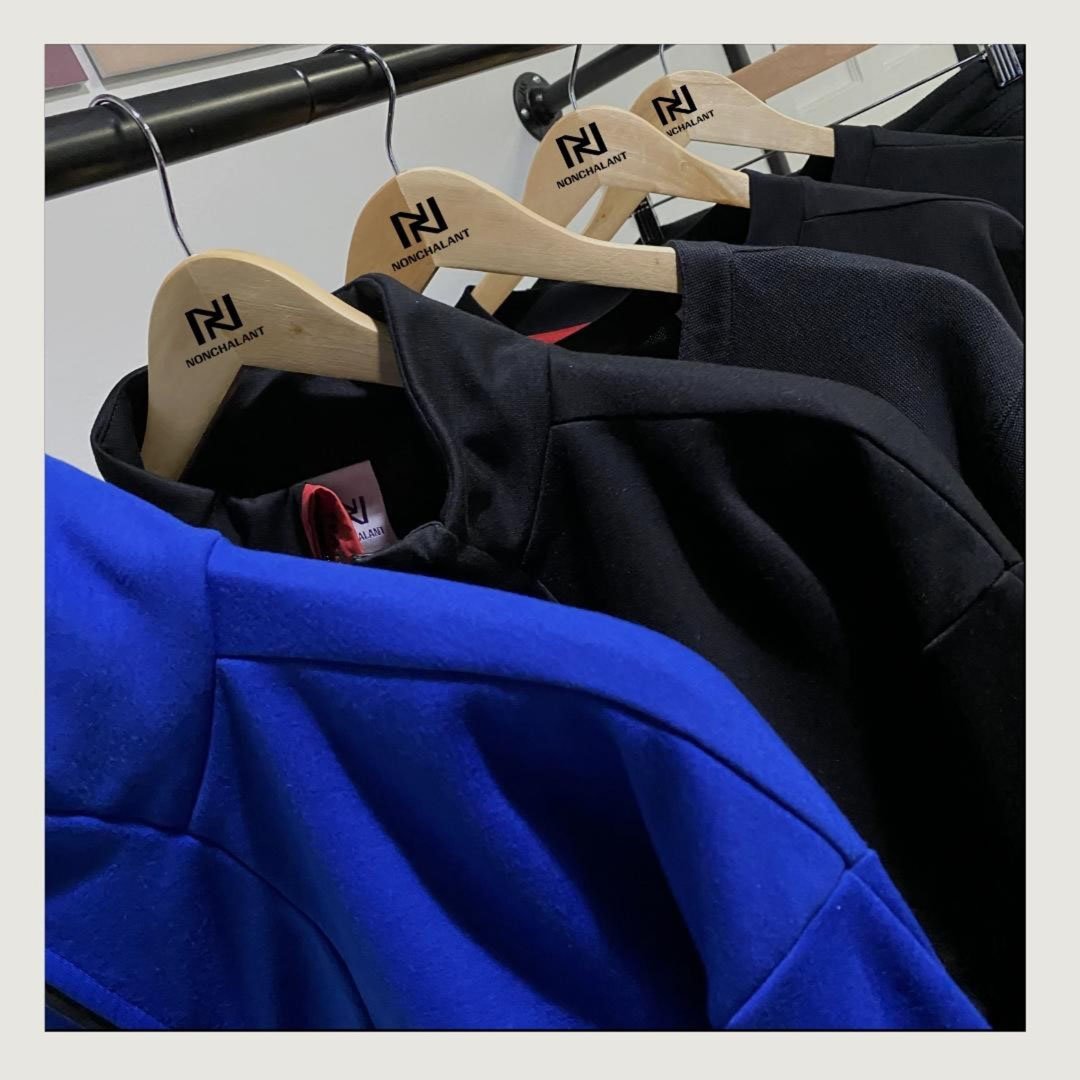
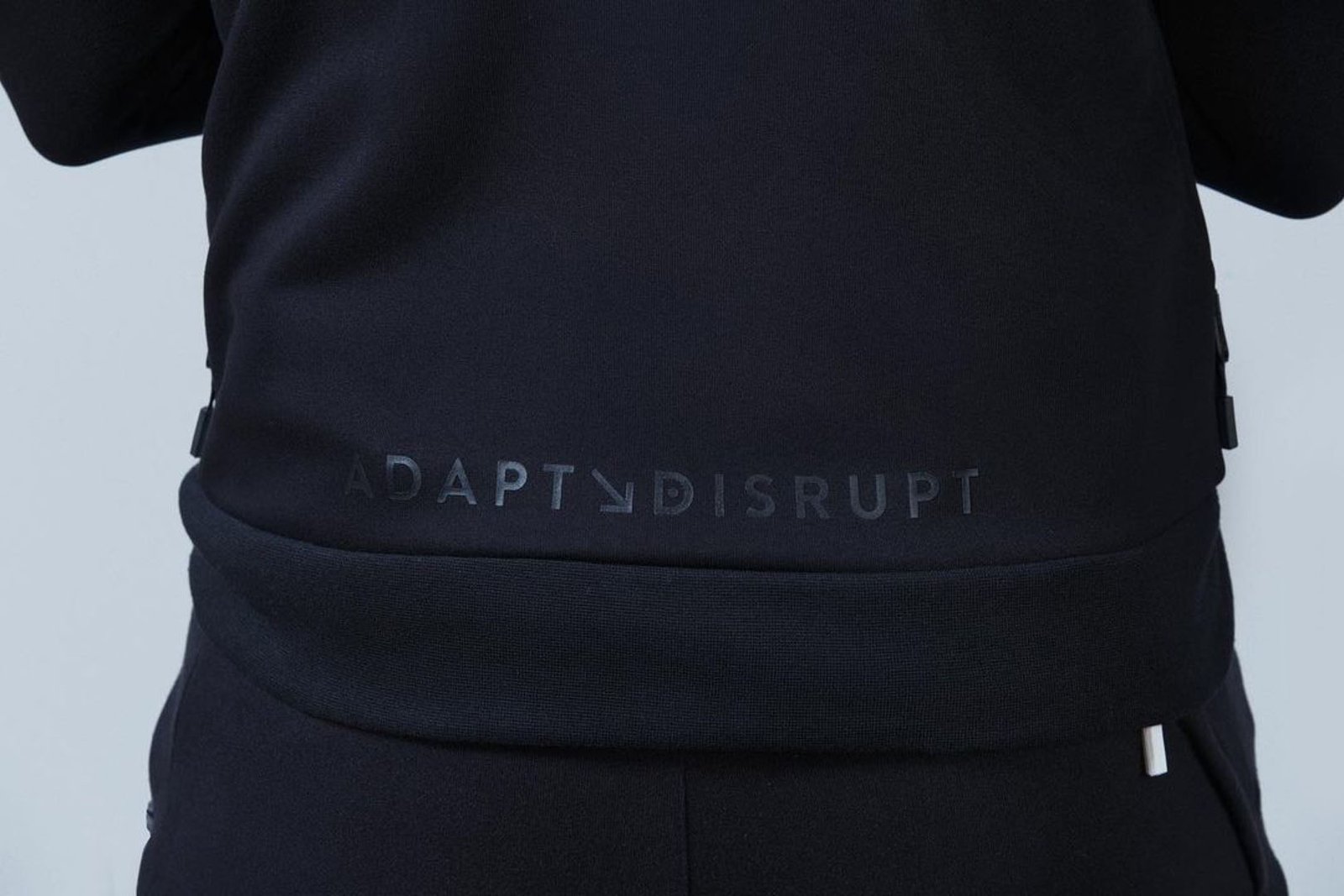
The apparel system translated the brand philosophy into physical utility through modular construction, concealed pockets, zipper details, layered panels, and tonal messaging.
The garments were built to move between environments without calling too much attention to themselves. Office to street. Transit to gathering. Stillness to motion. Understated, yet unmistakable.
What Channing & Company Created
Channing Bailey and Channing & Company defined the strategic foundation for Nonchalant, connecting the name, ethos, category, customer mindset, and product language into a cohesive brand idea.
The strategy clarified what the brand stood for, how it should feel, and how it could scale beyond one collection.
Brand Identity
Channing & Company designed the Nonchalant visual identity system, including the primary wordmark, monogram, and flexible logo behavior.
The identity gave the brand a visual foundation that could function across apparel, campaign imagery, social content, tags, and future product extensions.
Brand Expression
Channing Bailey and team developed the language and creative direction around stoic adaptability, functionality, restraint, and movement.
This gave the brand a voice that matched the product: calm, thoughtful, and controlled.
Apparel Design
Channing & Company designed and developed Season One: Dirty Duality, translating the brand strategy into garments, materials, colors, proportions, utility details, and product storytelling.
Production
Channing & Company designed and manufactured the first season, supporting the transition from brand concept to physical product.
This included the practical work of turning ideas into garments that could be produced, worn, and experienced.
Brand Infrastructure in Action
From name to system.
Nonchalant worked because the brand idea was carried through every layer of execution.
The name shaped the ethos. The ethos shaped the identity. The identity shaped the garments. The garments shaped the collection. The collection shaped the brand’s first market expression.
This is what Channing & Company means by building brand infrastructure.
The brand was not treated as a surface treatment added after the product. It was the system that informed the product, language, identity, and experience from the beginning.
The Design System
Quiet design with visible discipline.
The Nonchalant system was designed to feel disciplined, useful, and composed. The identity did not need excessive explanation. It carried meaning through behavior. The clothing did not need to shout. It invited attention through detail, movement, and construction.
The creative direction did not rely on trend alone. It gave the brand a point of view that could endure beyond one season.
System components
Primary Wordmark
A bold typographic expression designed for brand recognition and campaign use.
Monogram Mark
A compact symbol for product details, tags, and smaller applications.
Philosophical Narrative
A brand story rooted in stoic adaptability and self-command.
Garment System
Functional apparel built around movement, concealment, modularity, and comfort.
Season Concept
Dirty Duality as the first expression of Nonchalant’s internal tension and external restraint.
Why It Matters
Fashion brands need more than style. They need meaning that can move.
Nonchalant demonstrates how a fashion brand can be built from a clear strategic idea.
The brand’s strength is not only in the apparel. It is in the connection between philosophy, identity, product, and presentation.
Every part of the system reinforces the same idea: composure in motion.
For Channing & Company, the project reflects a core belief: strong brands are built when strategy and design work together from the beginning.
Results and Outcomes
A complete fashion identity from concept to collection.
Channing Bailey and Channing & Company helped transform Nonchalant into a fully realized brand system with a clear philosophy, visual identity, apparel language, and Season One collection.
The work gave Nonchalant a foundation for recognition, storytelling, product development, and future growth.
Key outcomes
- A clear brand ethos rooted in stoic adaptability.
- A distinctive wordmark and monogram identity system.
- A flexible logo concept that reflects functionality and adaptability.
- A Season One apparel collection built around Dirty Duality.
- A cohesive product and brand language across garments, graphics, and campaign assets.
- A fashion identity that could scale beyond one drop.
Client
Nonchalant
Industry
Fashion, Streetwear, Techwear
Project
Brand Strategy, Design, and Identity
Services
Brand Strategy, Brand Identity, Logo Design, Apparel Design, Garment Design, Visual Identity, Creative Direction, Product Development, Tech Pack Development, Manufacturing Direction
Creative Lead
Channing Bailey