Skip links

WellRead by Angela Yee: From a Brooklyn Stoop to a Nonprofit Platform

WellRead by Angela Yee: Building a Nonprofit Brand and Platform for Wellness and Literacy

A connected brand strategy, program architecture, visual identity, sponsorship model, nonprofit website, launch plan, and owned-audience system developed from the success of the Angela Yee Book Club.

Turning Cultural Programming into Nonprofit Infrastructure

Access is not only a question of whether information exists. It is also a question of whether people can understand it, trust it, and recognize its relevance to their lives.

WellRead was created to close that distance.

The nonprofit grew from a culturally connected literacy platform Channing & Company had already developed with literacy advocate, media personality, entrepreneur, and Radio Hall of Famer Angela Yee. What began as the Angela Yee Book Club inside a women’s retail store in Brooklyn became the foundation for a broader organization connecting wellness, literacy, culture, and personal agency.

Led by Channing Bailey, Channing & Company developed the concept from inception. The studio created the original book-club strategy and programming, then expanded the model into WellRead: a registered 501(c)(3) nonprofit capable of housing the Angela Yee Book Club, nine focused literacy territories, and future programs.

The engagement extended across research, strategy, naming, positioning, messaging, brand architecture, visual identity, experiential programming, sponsorship development, donor presentations, website strategy and development, go-to-market planning, and Mailchimp email marketing.

WellRead was designed to become a trusted and reliable resource for advancing informed and inclusive voices across wellness and literacy. Channing & Company translated that ambition into an integrated organizational system built to help knowledge move from experts and institutions into culture, community, and informed action.

Client

WellRead / Angela Yee

Strategy, Creative Direction, and Design Leadership

Channing Bailey

Date

2022

Disciplines

Brand Strategy
Nonprofit Brand Positioning
Messaging
Brand Architecture
Visual Identity
Editorial
Design Presentation Design
Digital Strategy
Information Architecture
UX/UI Design
Digital Strategy
Website Design & Development
Art Direction
Activations & Programming

WellRead logo window, featuring the nonprofit monogram formed from an open-book W and bookmark-shaped R.

The Origin: Building the Angela Yee Book Club at WOODstack IVY

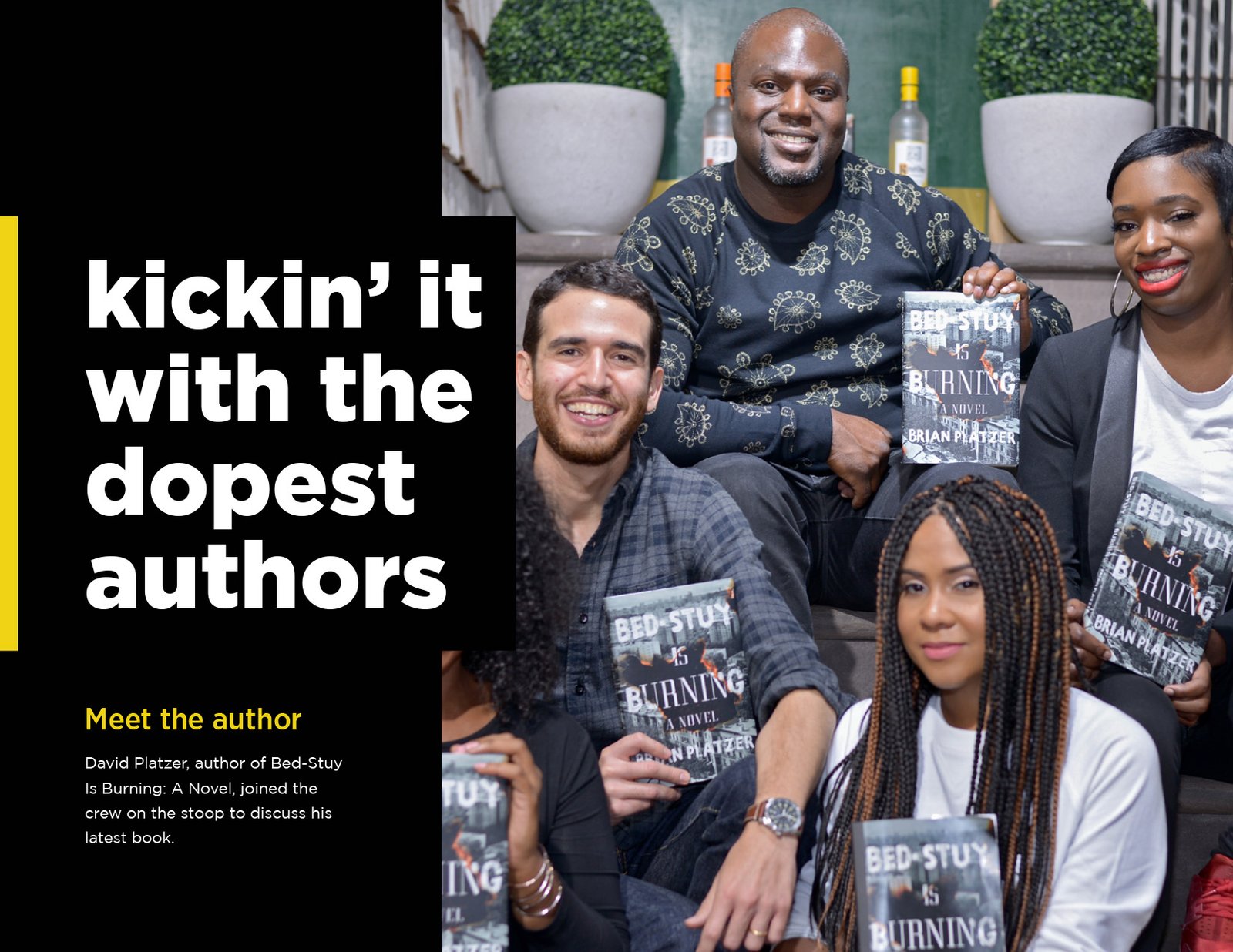
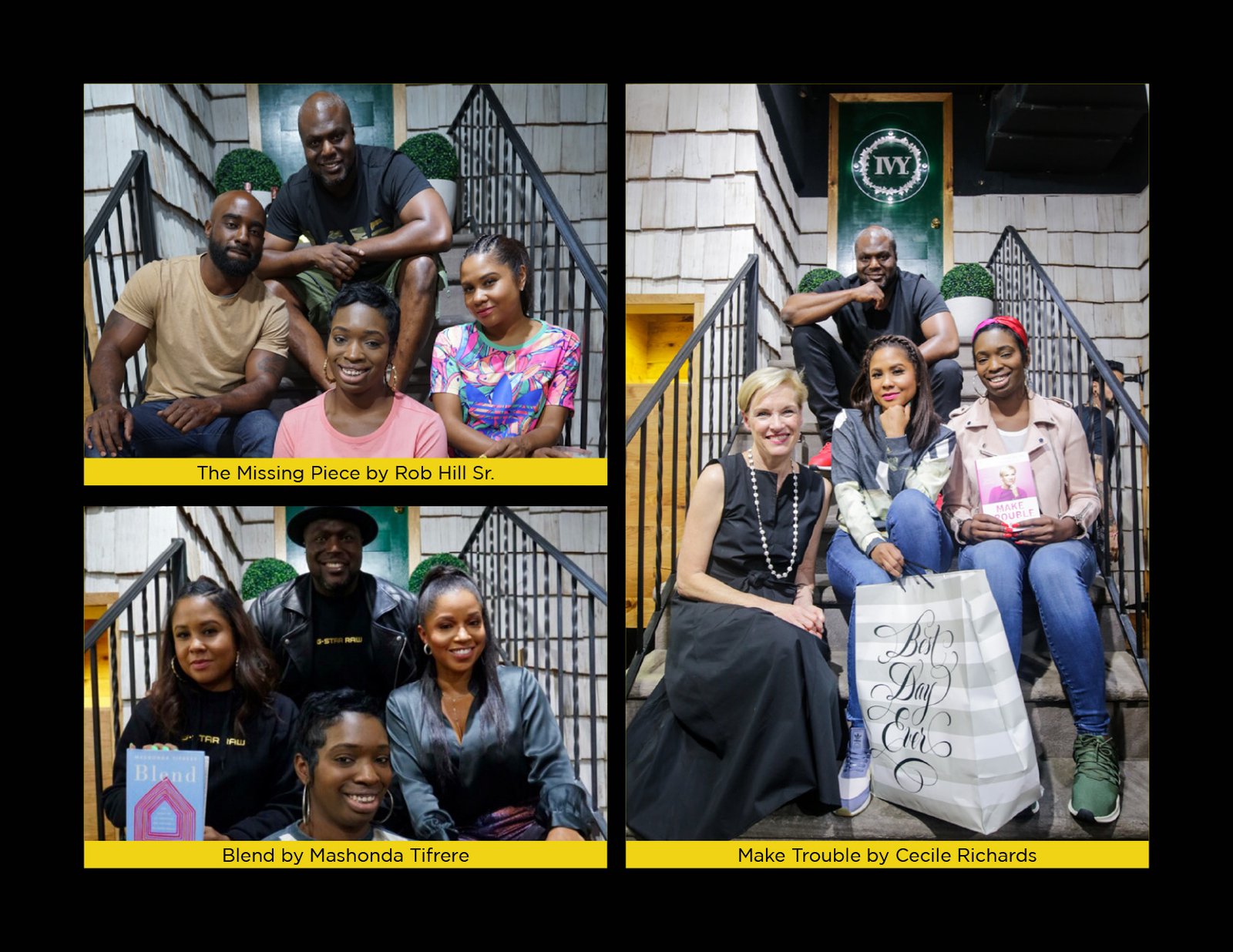
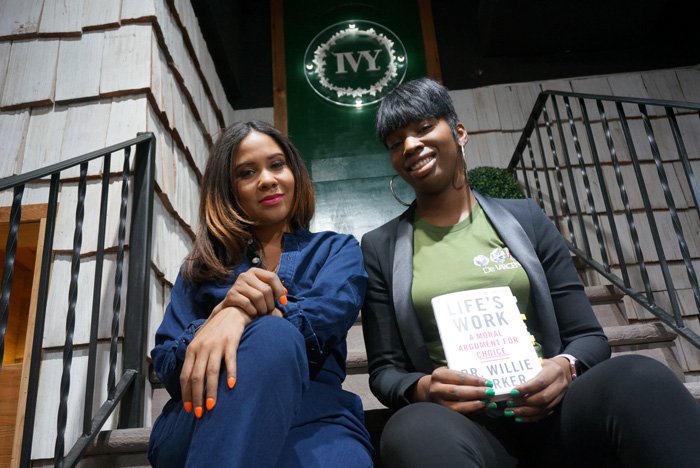
Before WellRead became a nonprofit platform, Channing & Company developed the Angela Yee Book Club as a programmatic partnership with WOODstack IVY, a women’s sportswear and lifestyle store in Brooklyn.

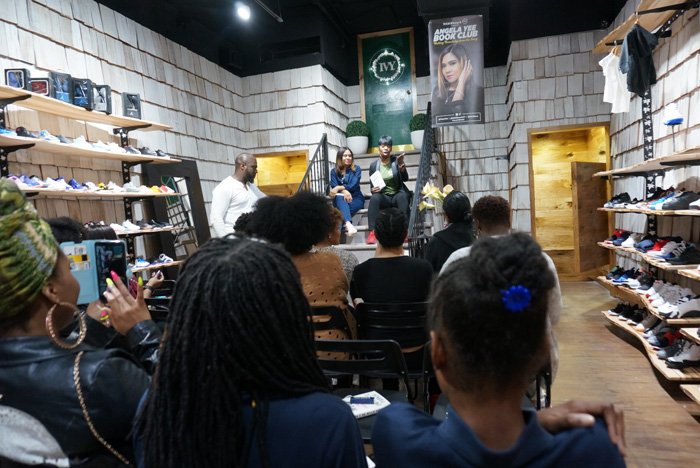
WOODstack IVY featured a full-scale stoop inside its retail environment. Channing Bailey transformed that distinctive architectural element into the setting and central concept for Kickin’ It From the Stoop, a recurring book-club experience that brought reading into the social and cultural life of the store.

The stoop carried meaning beyond its physical form. Across Brooklyn, the stoop has long functioned as a place where neighbors gather, exchange ideas, observe the street, and participate in community life. Inside WOODstack IVY, it became a stage for authors, readers, entrepreneurs, cultural figures, and audiences to meet through conversation.

Channing & Company developed the program strategy, name, positioning, visual identity, website, social campaigns, partnership model, sponsorship materials, and live-event experience.

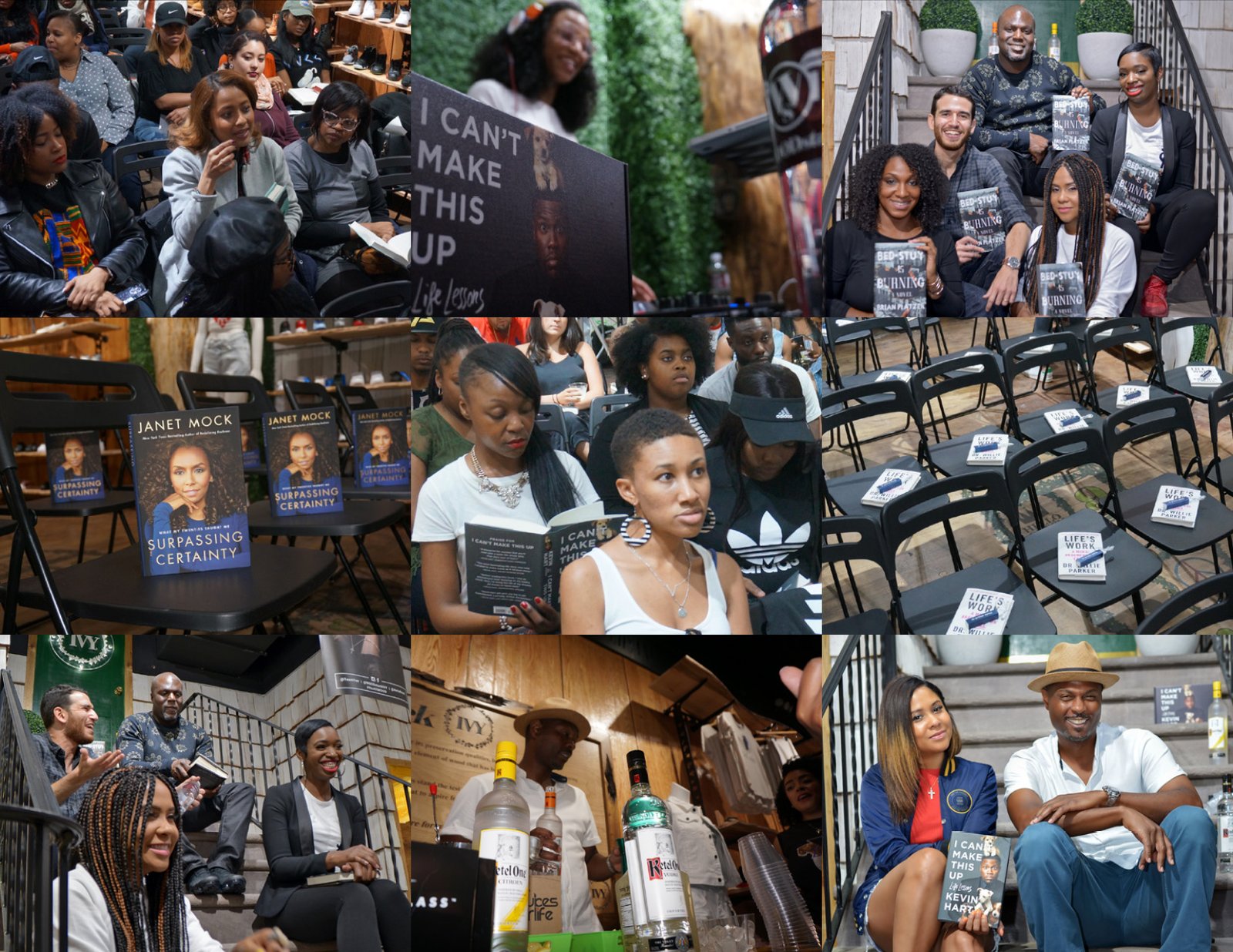
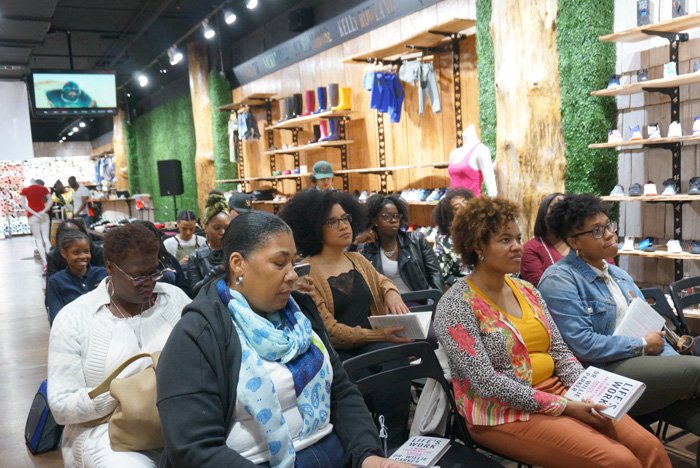
Monthly gatherings combined recreational reading and author conversations with fashion, music, retail, community dialogue, and digital broadcasting. Guests did not enter a conventional bookstore, classroom, or auditorium. They gathered on and around a Brooklyn stoop inside a women-focused retail space.

The environment became part of the program.

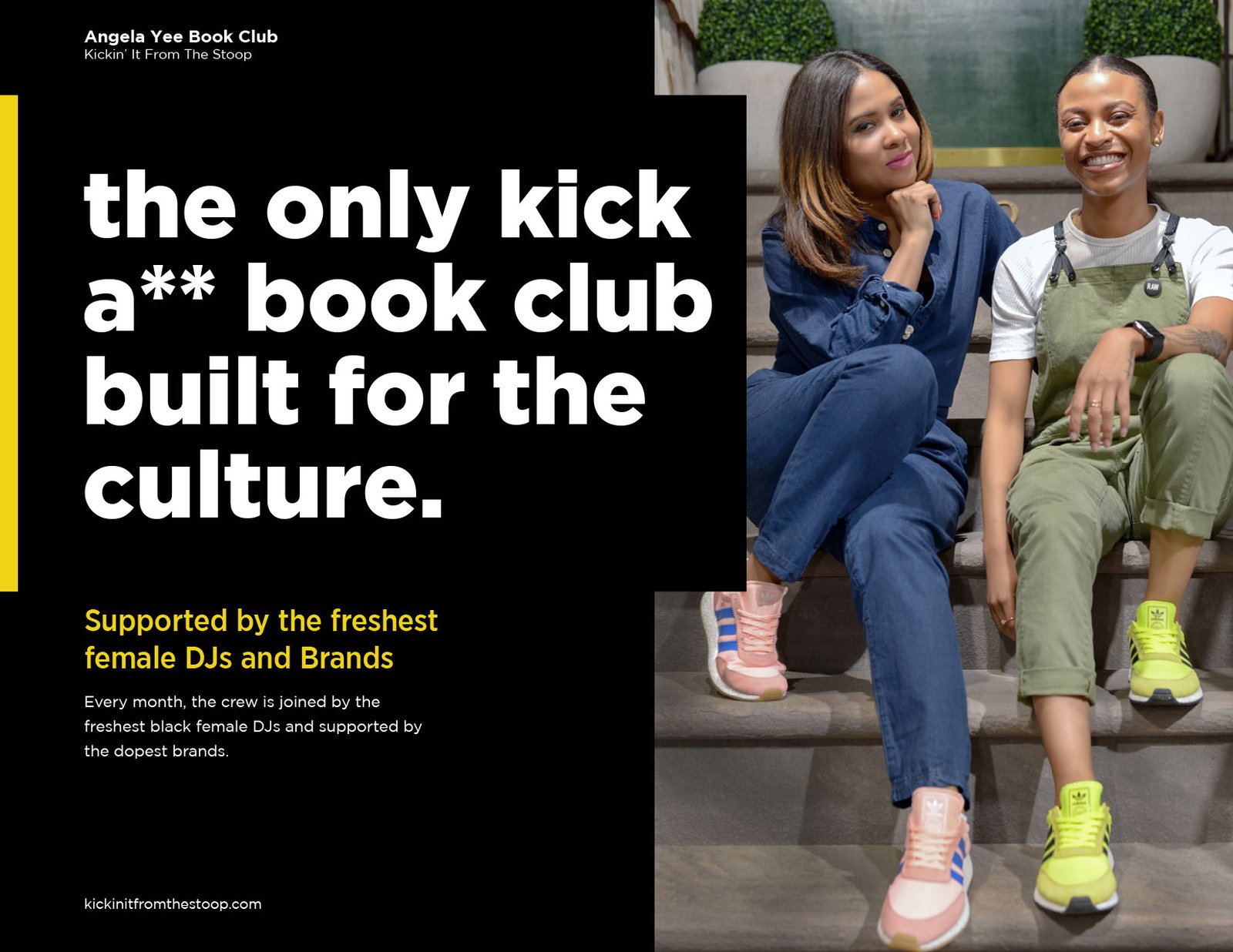
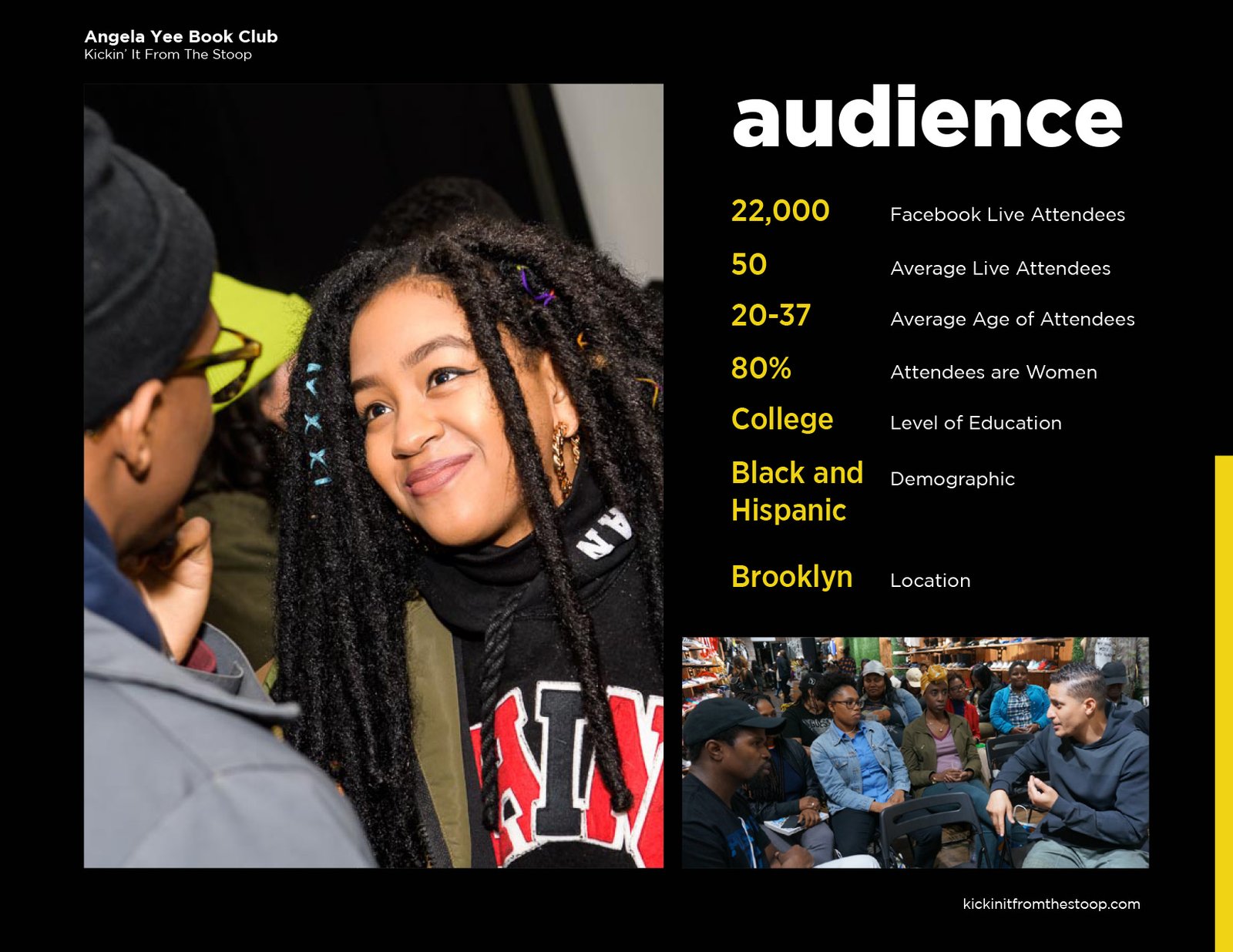
Audiences could attend in person or participate through Facebook Live, extending the experience beyond the store. By 2020, the Angela Yee Book Club had attracted more than 30,000 Facebook Live attendees and an average of 75 guests at each live gathering.  Its audience was primarily Black and Hispanic, 80% women, college educated, and between the ages of 20 and 37.

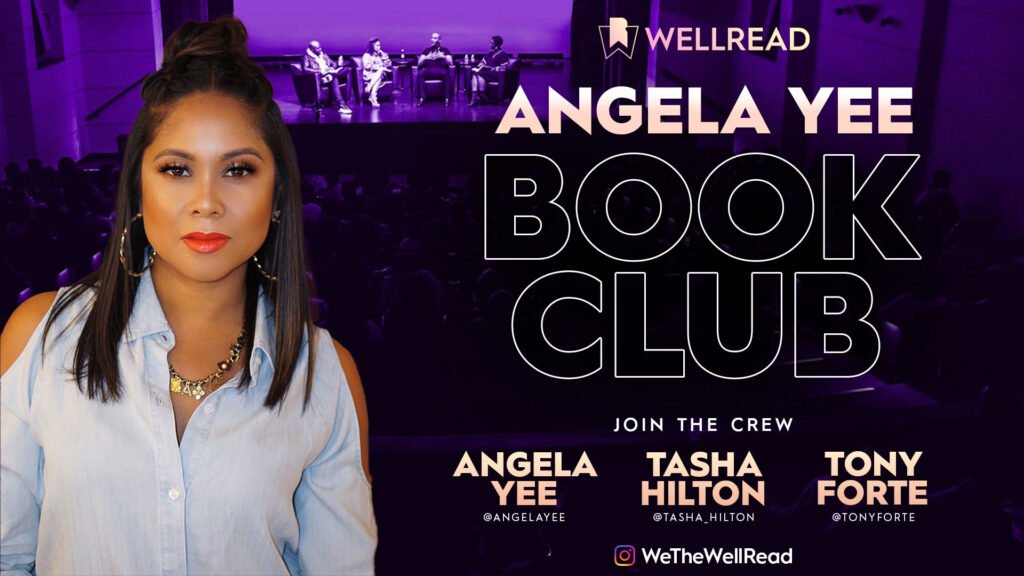
Angela Yee Book Club panel discussion featuring guest author DeVon Franklin beneath a Kickin’ It From the Stoop event presentation.

The Proof: Making Reading Social, Cultural, and Participatory

The Angela Yee Book Club demonstrated that reading could become more engaging when it was connected to trusted voices, physical experience, cultural expression, and community participation.

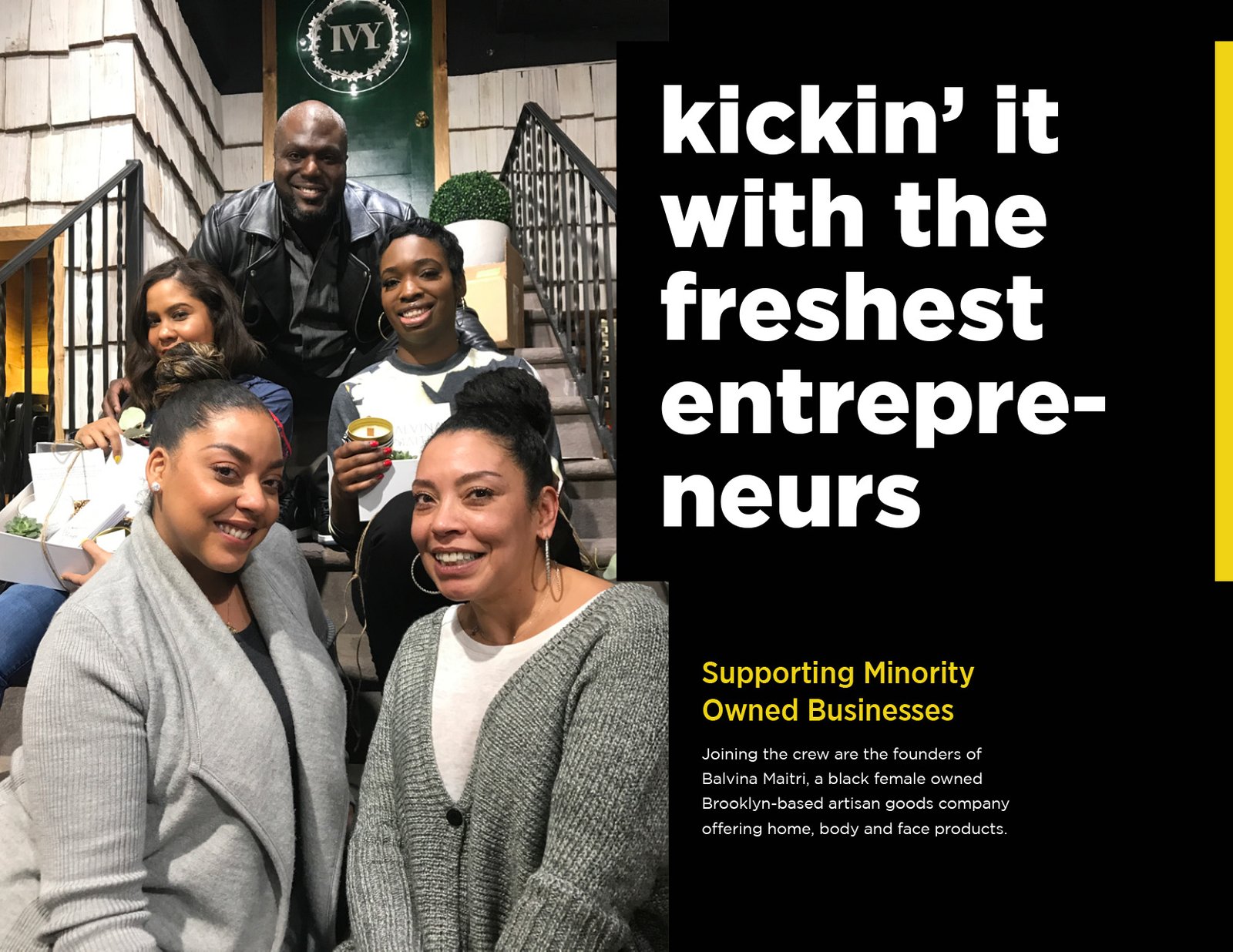
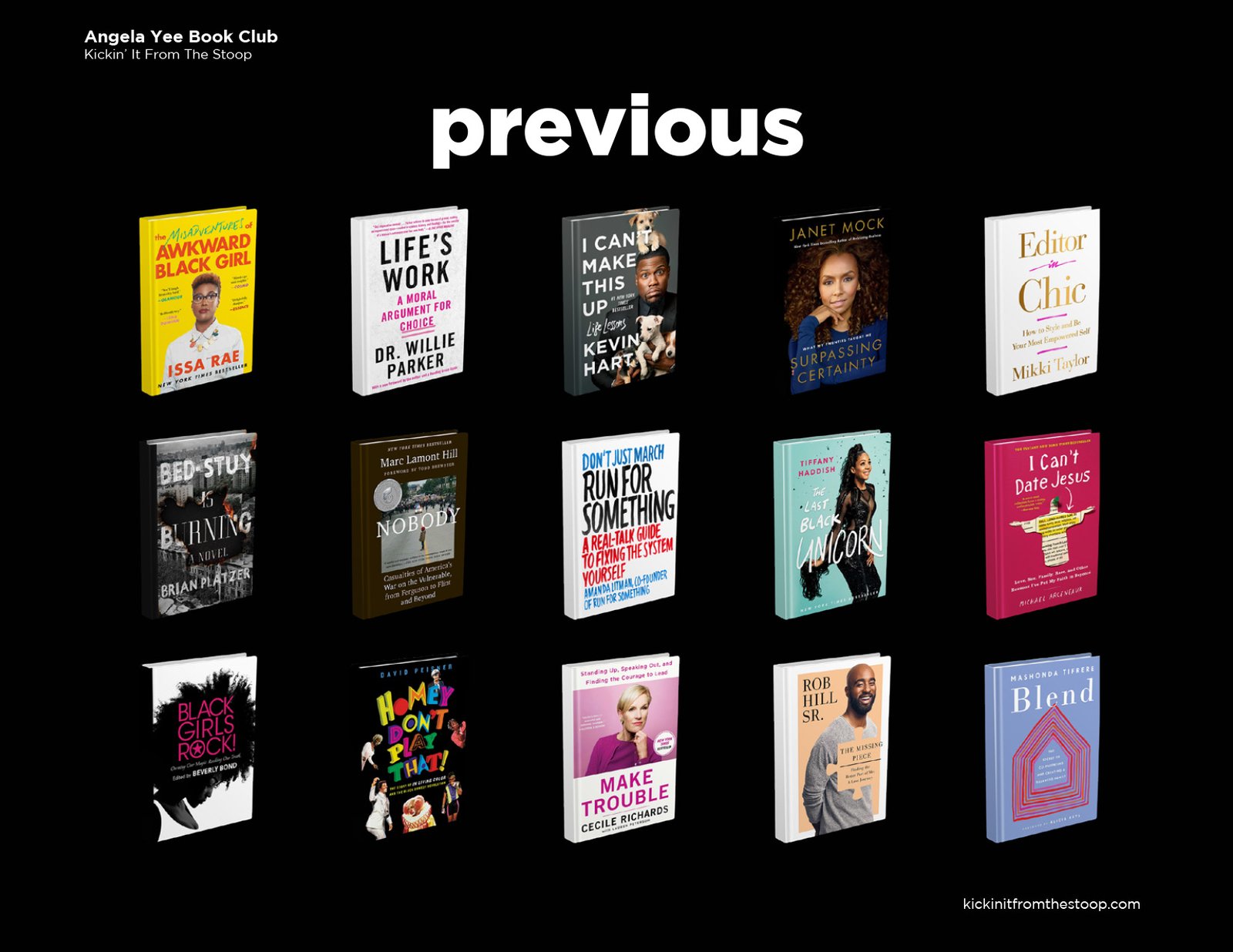
The program featured books addressing identity, race, relationships, family, civic participation, leadership, entrepreneurship, personal development, style, and social change. Authors and audiences were joined by publishers, DJs, brands, entrepreneurs, and minority-owned businesses.

Books became the starting point for wider cultural conversation.

Channing & Company also developed a commercial sponsorship model that connected live screenings and author discussions with Instagram content, recap videos, Facebook Live, email marketing, and website exposure. The Angela Yee Book Club built a dedicated email audience of 3,000 subscribers and created structured opportunities for publishers, media companies, and consumer brands to support the platform.

The program proved that cultural relevance and intellectual substance did not need to compete. Reading could remain meaningful while becoming more social, visible, and inviting. It also revealed a larger opportunity. The same model could extend beyond books.

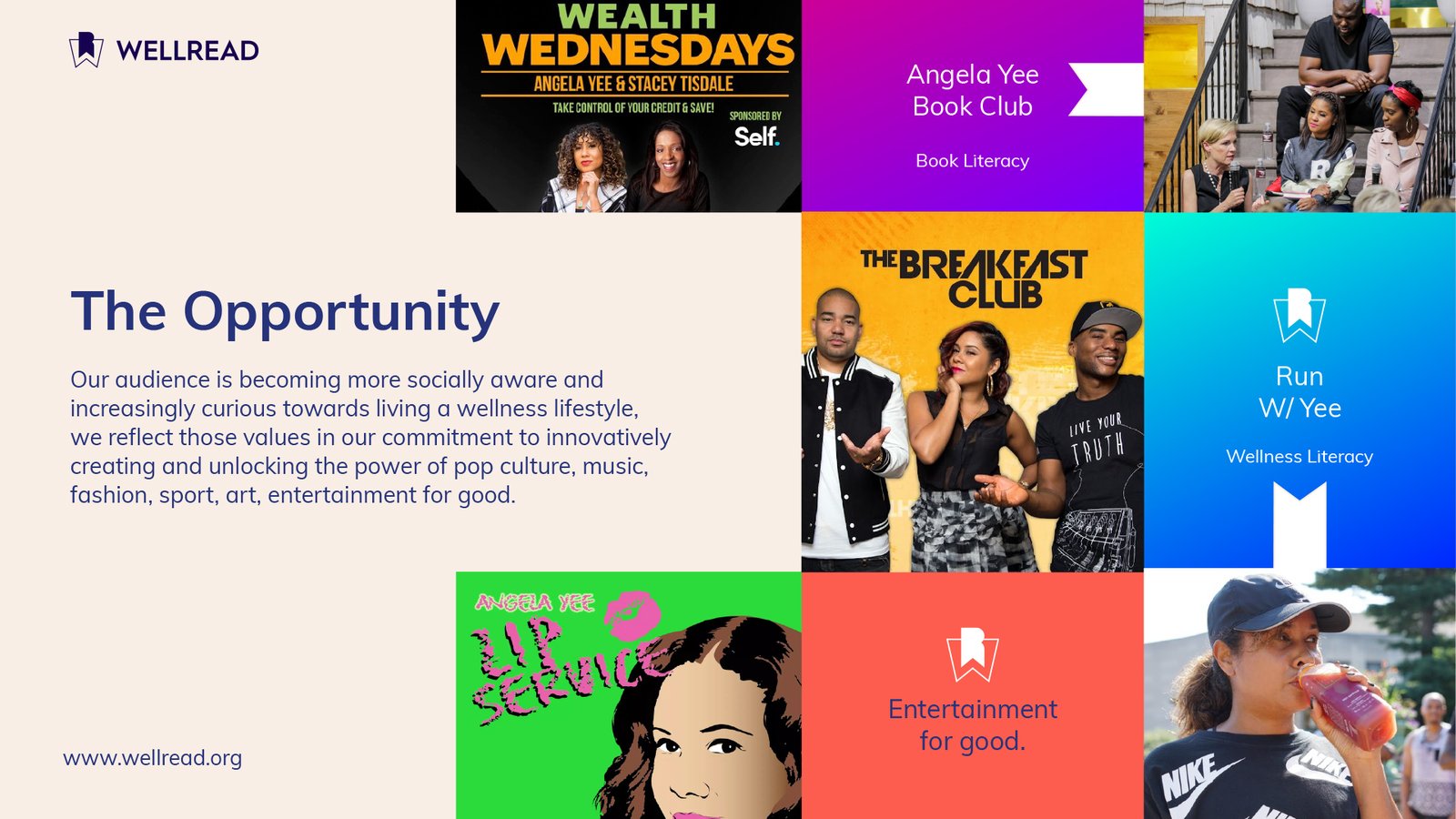
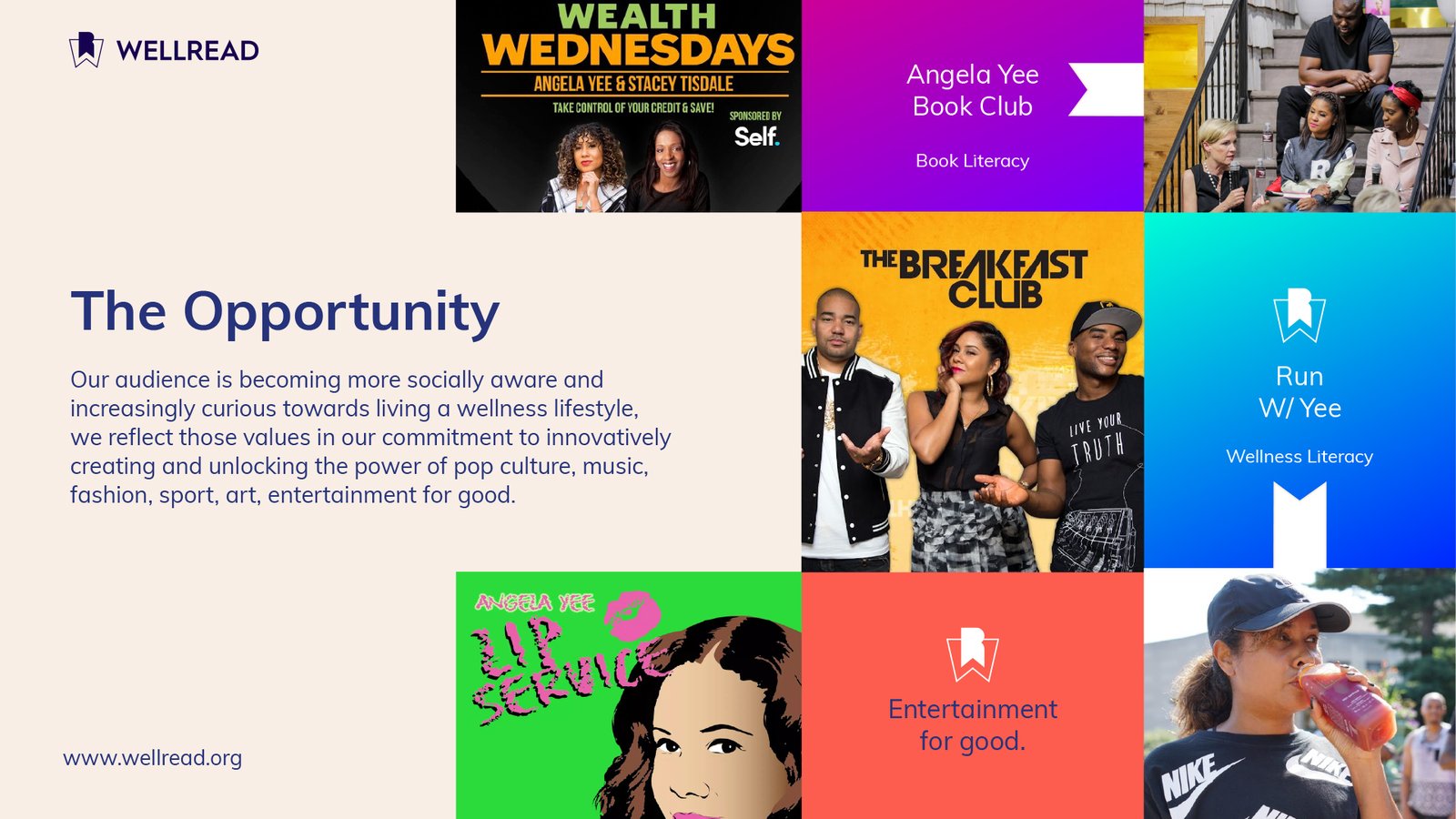
WellRead opportunity slide connecting the nonprofit to book literacy, financial education, media, entertainment, and wellness initiatives.

The Opportunity: Expand the Model Beyond Book Literacy

The book club showed how culture could make literacy more participatory. WellRead extended that principle across the subjects shaping how people live.

Literacy was no longer limited to reading proficiency. It described a person’s ability to understand a subject, navigate its systems, evaluate available options, and make informed decisions.

Wellness was equally broad. It extended beyond fitness and nutrition to include the knowledge, access, security, and confidence required to build a healthier life.

Both were forms of personal agency.

The strategic opportunity was to transform an established book-club platform into a parent nonprofit capable of organizing additional literacy categories, attracting sponsors and donors, supporting future programming, and establishing an independent authority beyond Angela Yee’s personal media channels.

Angela’s platform could introduce the organization. WellRead needed the strategy, identity, digital presence, fundraising tools, and audience infrastructure required to sustain it.

Research and Strategy: Expand a Proven Model

Channing & Company began the WellRead engagement with dialogue and workshops with Angela Yee. The strategic process included audience research, competitive and category analysis, reviews of wellness and literacy organizations, analysis of Angela Yee’s existing platforms and communities, and partnership and fundraising research.

The work clarified the organization’s opportunity.

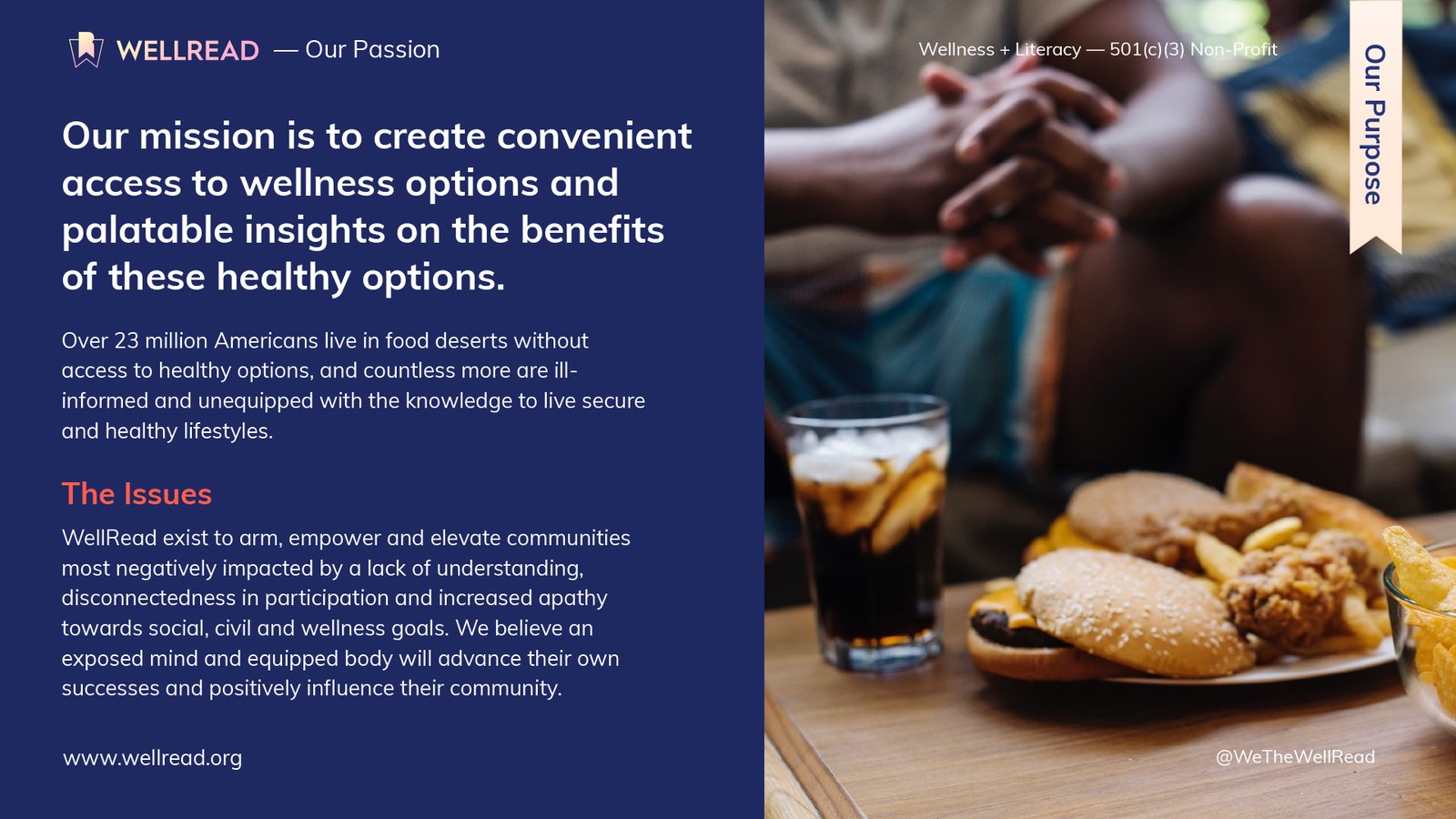
The primary challenge was not always a complete absence of information. People could be surrounded by resources and remain disconnected from them when the language felt clinical, the presentation felt institutional, or the subject appeared unrelated to their lives.

WellRead needed to make essential knowledge more palatable and relatable without reducing its complexity. It also needed to serve people frequently marginalized, underserved, or excluded from mainstream wellness conversations.

The organization’s role would not be to claim sole authority over every subject. Its value would come from finding credible knowledge, placing it within a meaningful cultural context, and helping audiences understand why it mattered.

The Strategy: Become the Trusted Translator

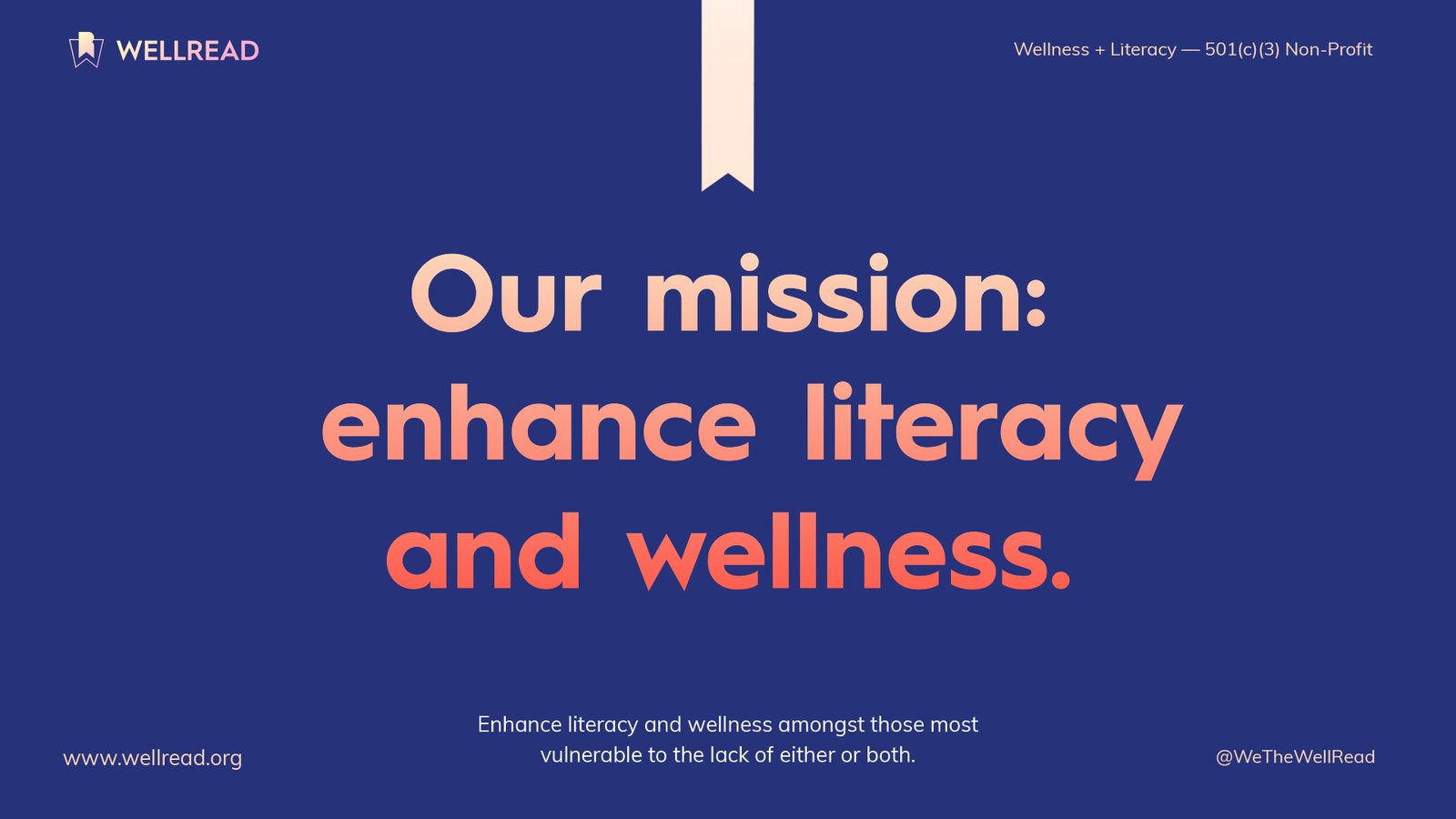
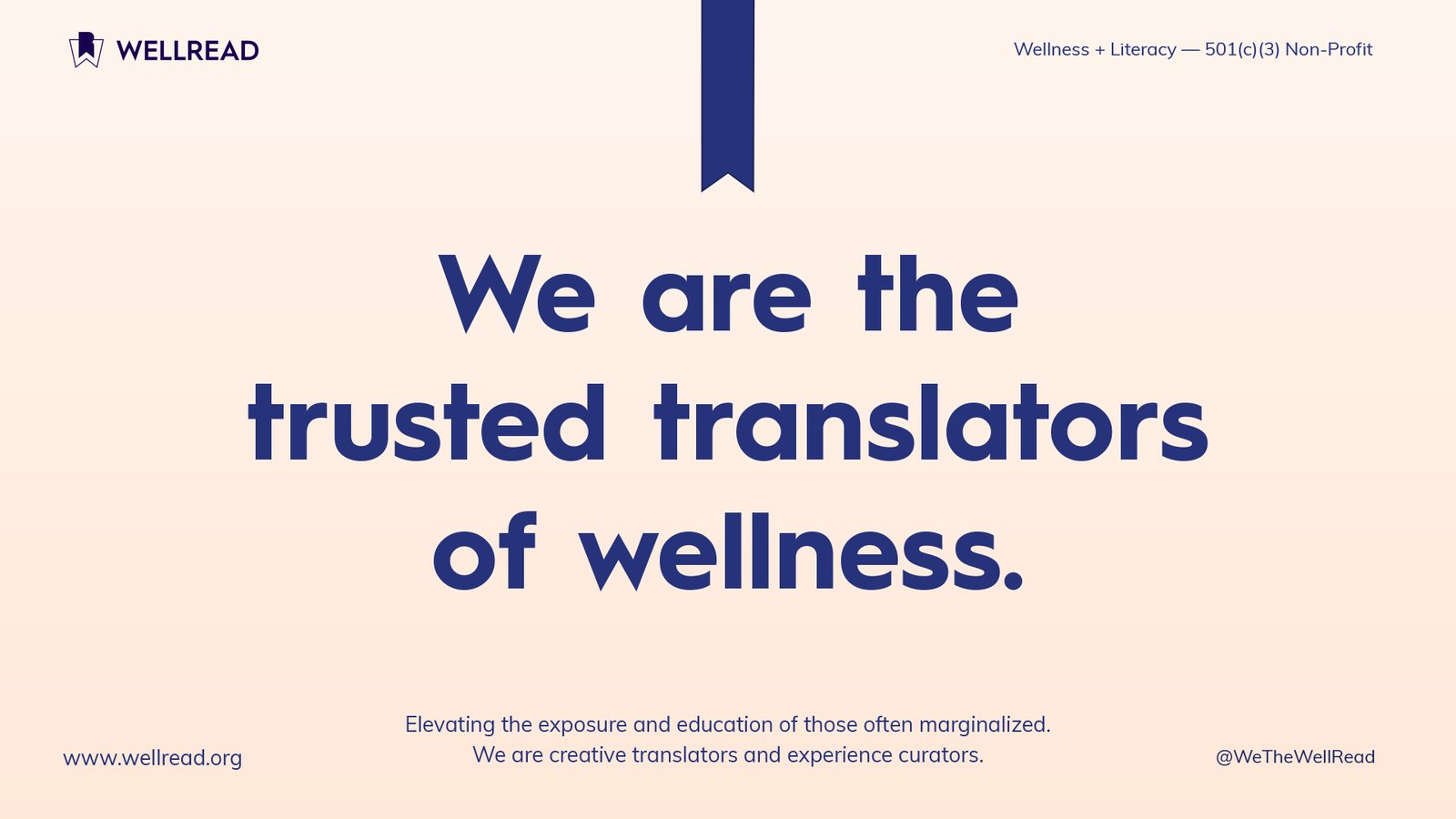
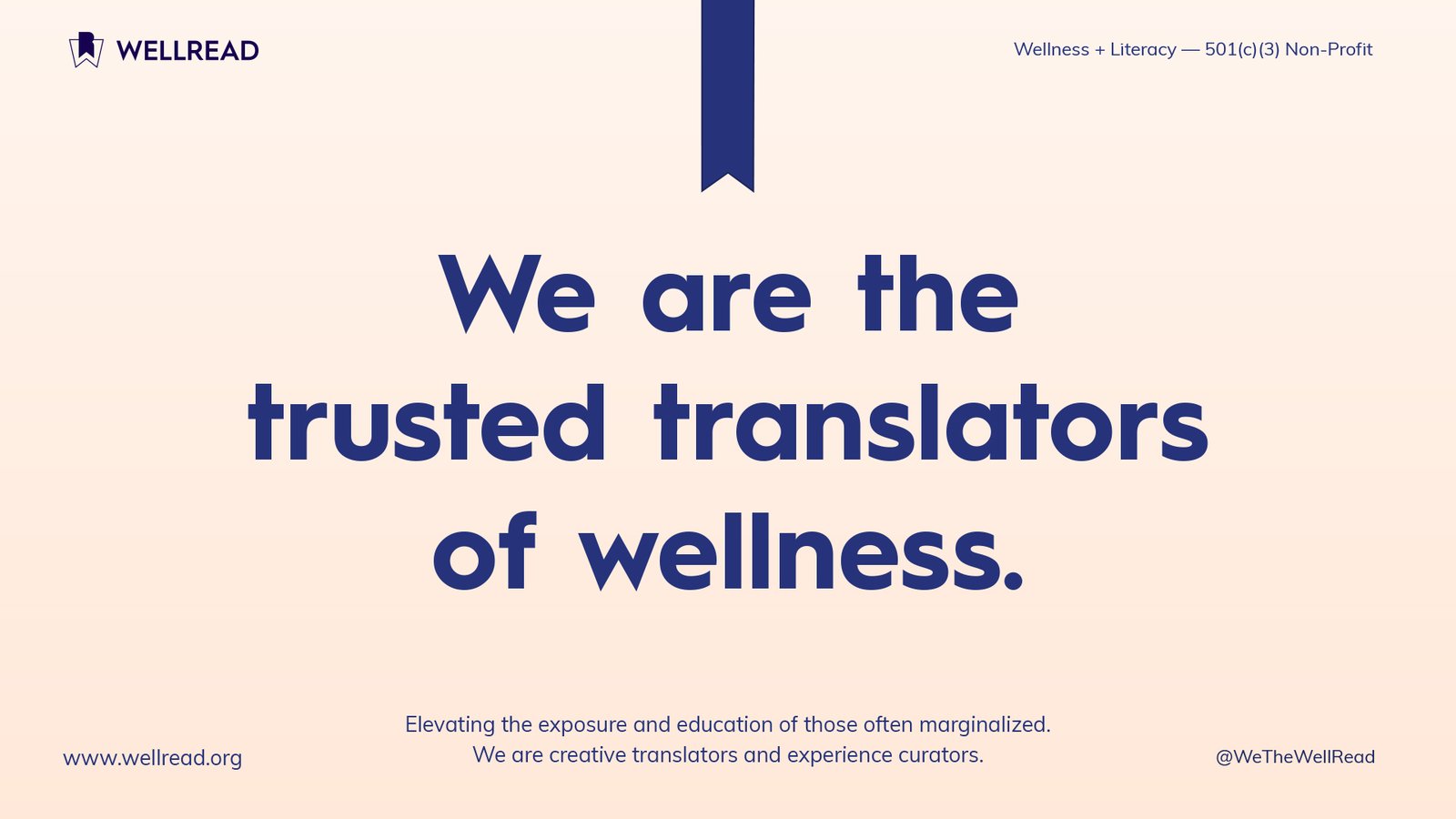
Channing & Company positioned WellRead as a trusted translator of wellness and literacy. Translation was not treated as a campaign phrase. It defined how the organization would operate.

WellRead would sit between complex information and everyday life, helping knowledge travel from experts, institutions, and specialized environments into content, programs, and experiences people could understand and use.

Complex topics would become approachable without becoming superficial. Expertise would be translated without being diluted. Cultural relevance would deepen understanding rather than decorate the message.

People often excluded from traditional wellness conversations would be treated as informed participants, contributors, and leaders.

The resulting position placed WellRead between institutional communication and popular culture: authoritative enough to carry consequential subjects, familiar enough to invite curiosity, and flexible enough to support a wide spectrum of programming.

The brand platform defined WellRead as both a creative translator and an experience curator—an organization capable of turning knowledge into culturally connected participation.

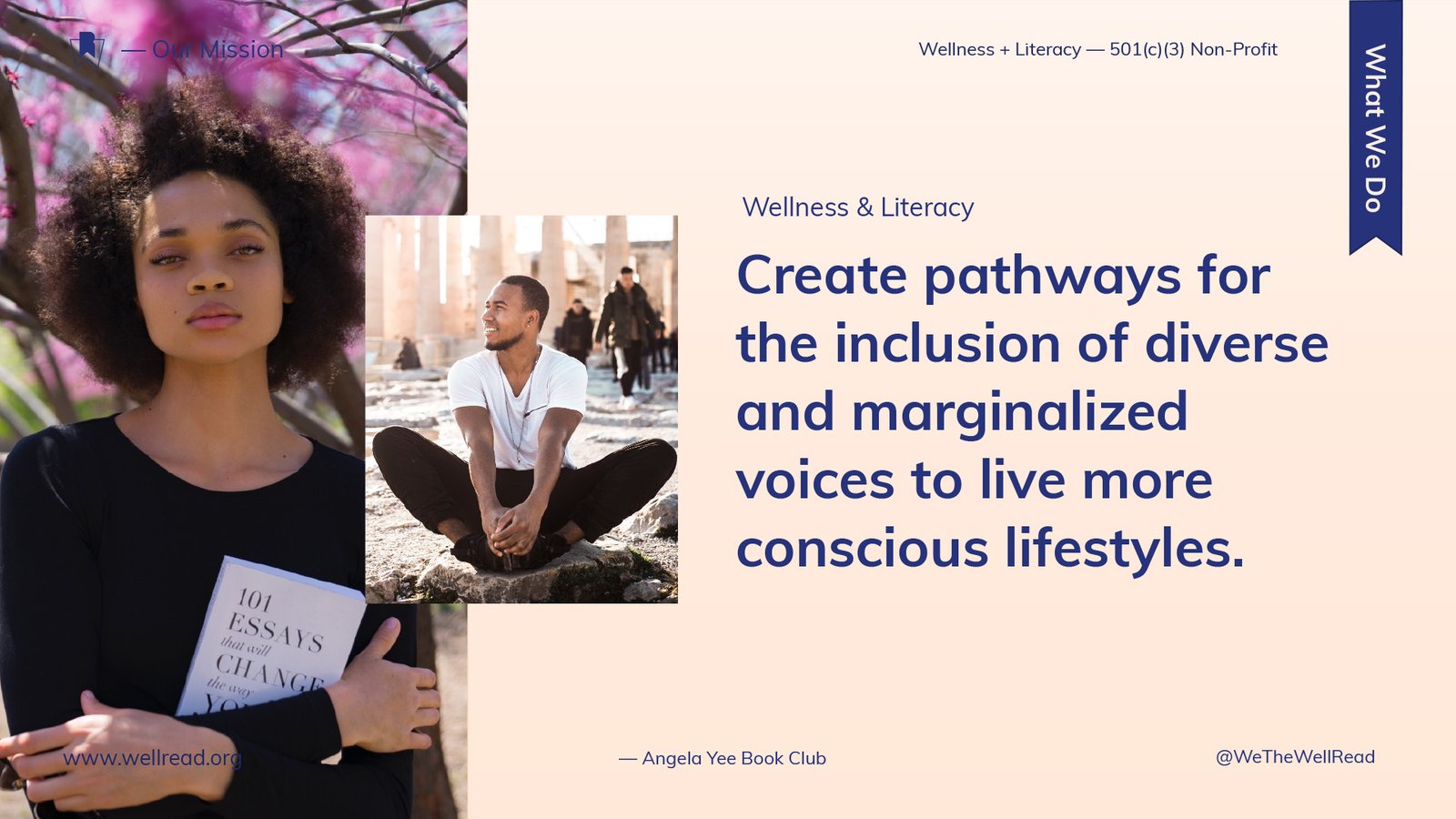
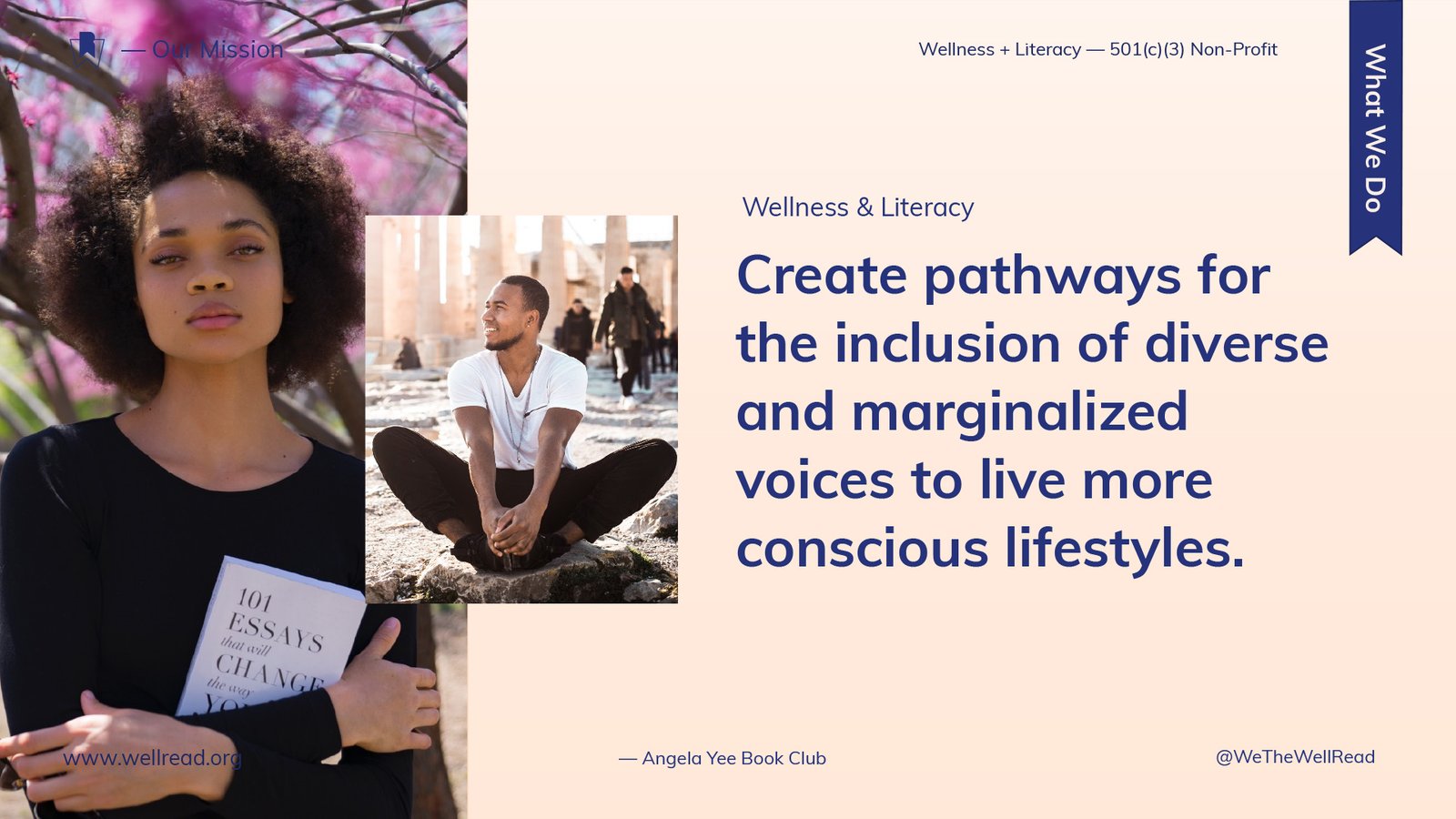
WellRead slide combining portraits with a statement about creating pathways for diverse and marginalized voices.

Naming WellRead: Connect Knowledge and Well-Being

Channing & Company created the name WellRead to express the organization’s expanded purpose through one compact idea.

To be well read is to be informed, curious, and exposed to a broader range of knowledge.

To be well is to possess the understanding, access, resources, and confidence required to pursue a healthier and more secure life.

The name joined those meanings without treating literacy and wellness as separate causes. It positioned knowledge as an essential condition of personal and collective well-being.

The descriptor Wellness + Literacy made the relationship explicit, while the WellRead name remained flexible enough to operate across books, health, finance, civic participation, careers, relationships, travel, and emotional well-being.

Brand Architecture: Build a Map of Everyday Literacy

Traditional definitions of literacy often stop at reading and writing. WellRead expanded the idea. Literacy became the knowledge and confidence required to navigate the systems, choices, and information shaping everyday life.

This parent-program architecture preserved the awareness and equity already created around the book club while establishing room for additional content, partnerships, experts, campaigns, and experiences.

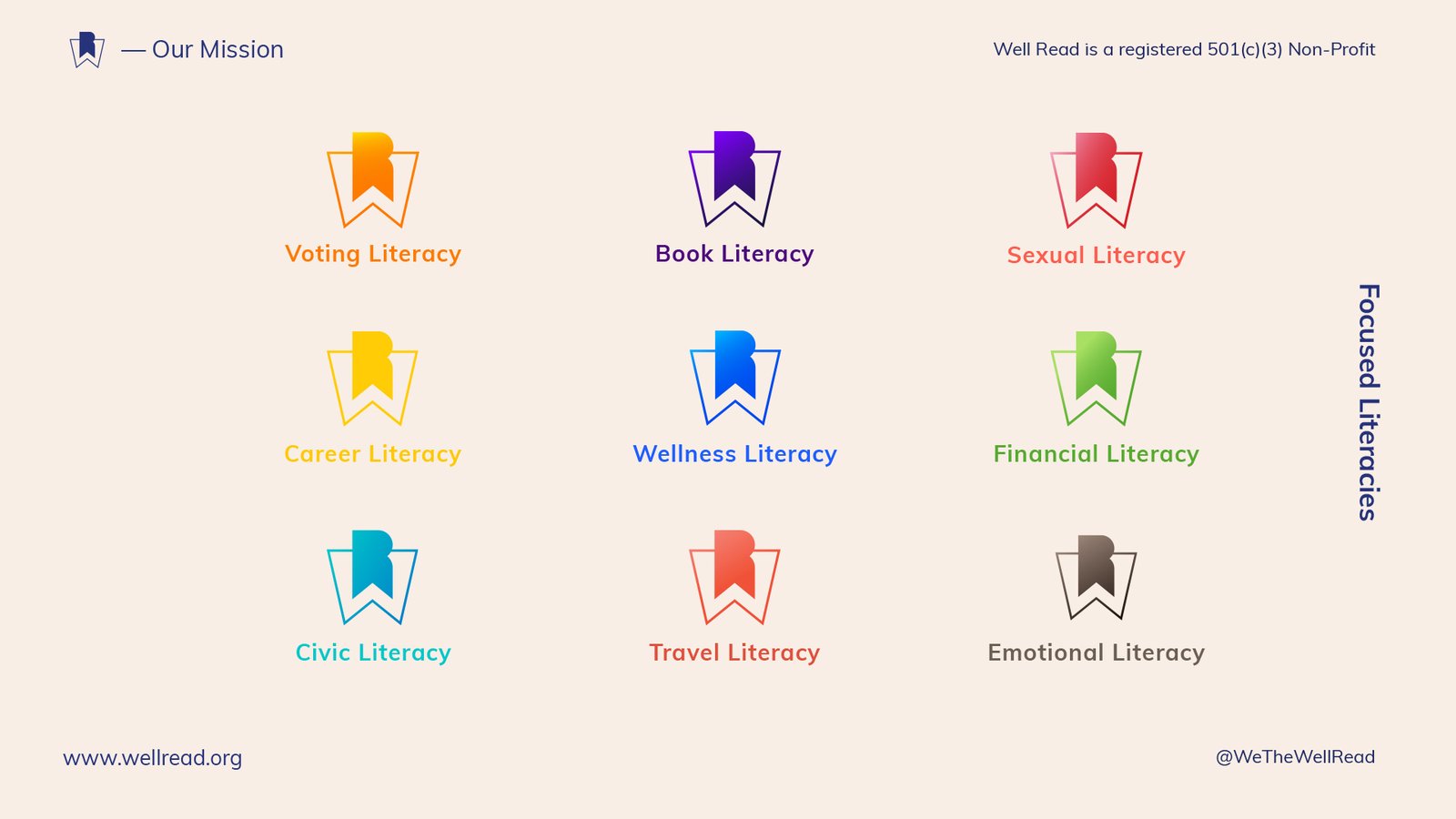
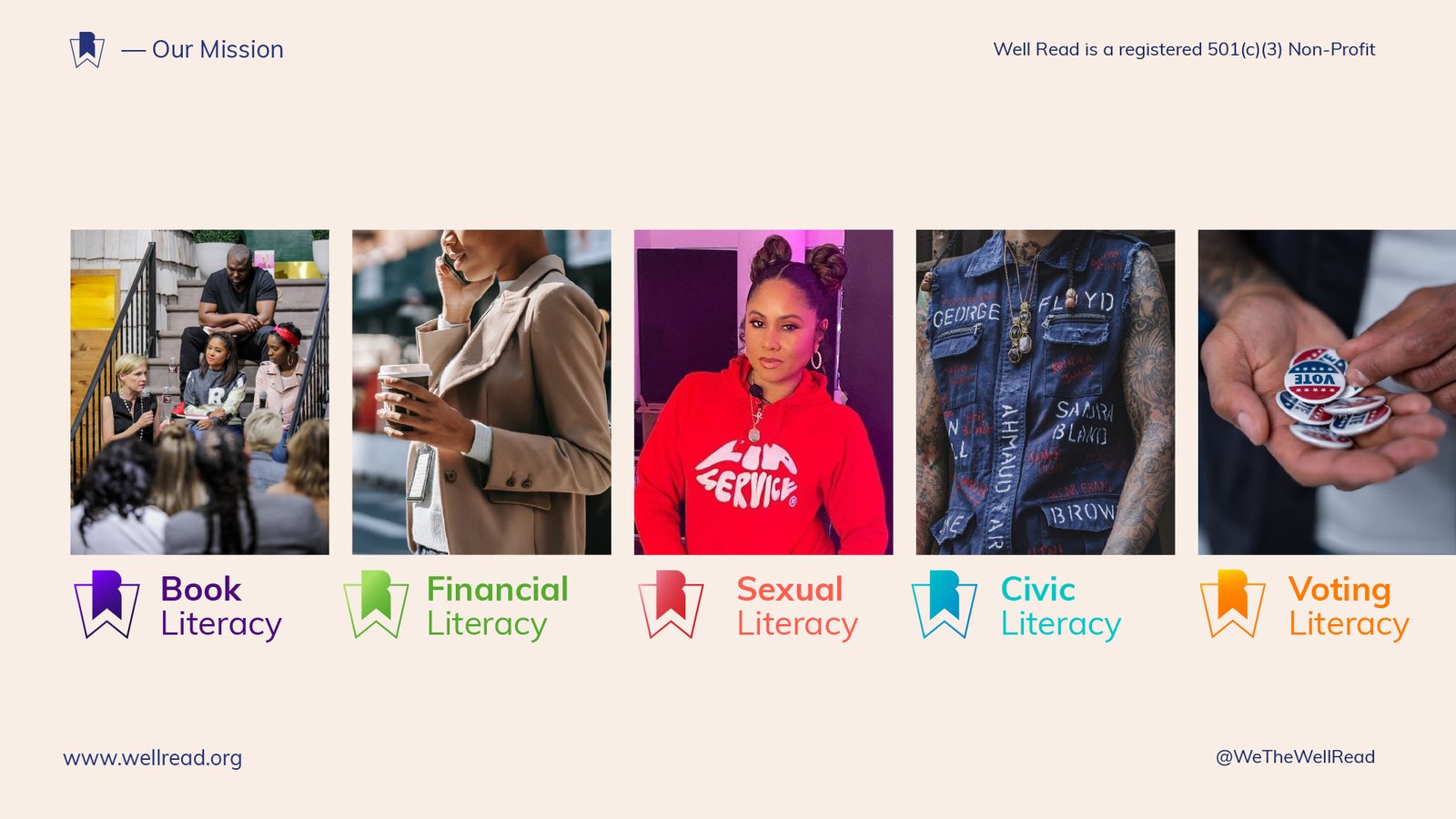
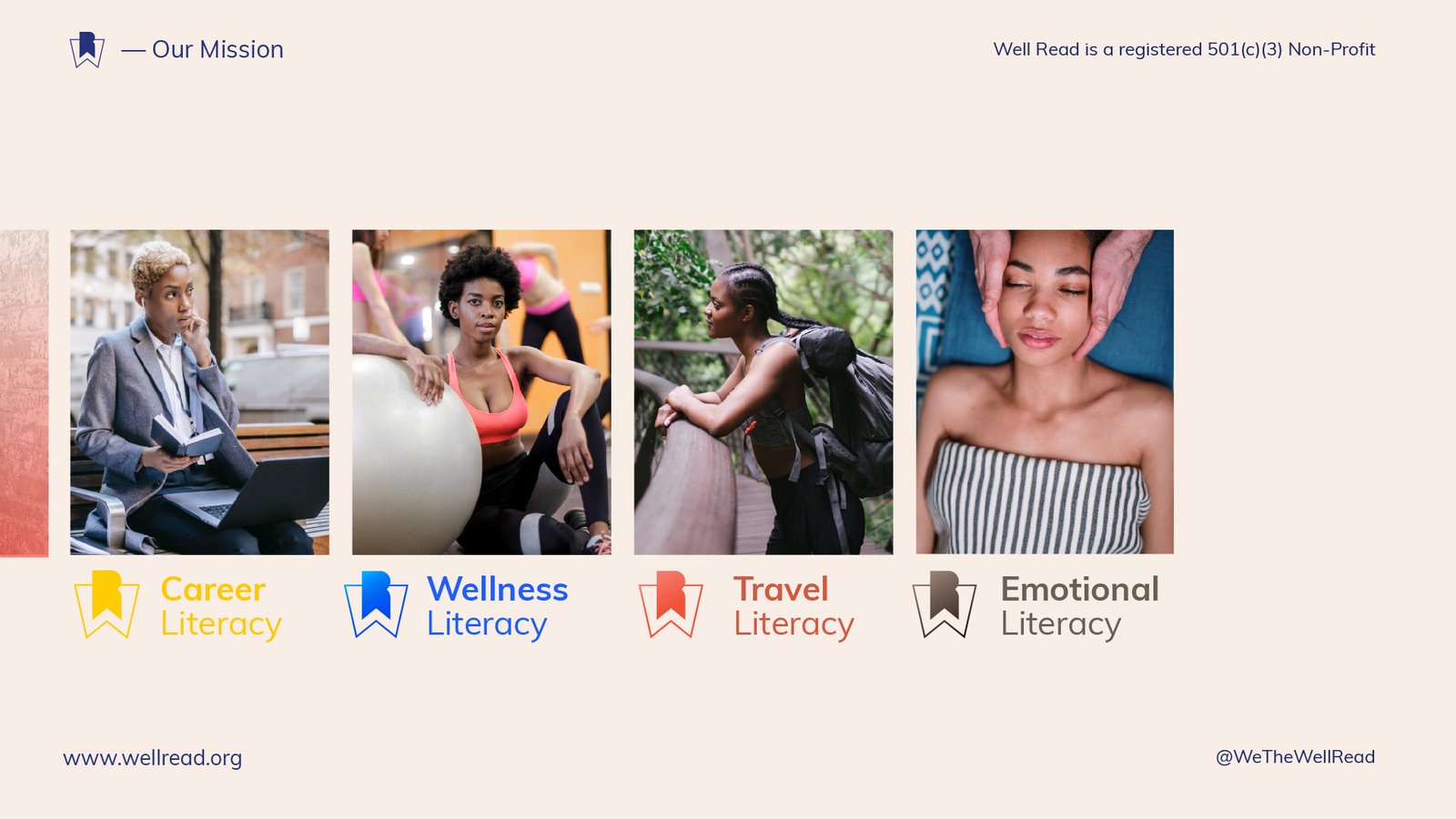
Channing & Company organized the mission into nine focused literacies:

  • Book Literacy
  • Financial Literacy
  • Sexual Literacy
  • Civic Literacy
  • Voting Literacy
  • Career Literacy
  • Wellness Literacy
  • Travel Literacy
  • Emotional Literacy


These categories functioned as program areas, content structures, partnership territories, expert frameworks, and a long-term organizational roadmap.  They were entry points into one larger belief: greater understanding influences how people care for themselves, pursue opportunity, participate in society, and contribute to their communities.

The architecture gave WellRead a repeatable structure for educational content, campaigns, experts, donor initiatives, partnerships, programs, and future experiences. It also gave the organization a more precise way to communicate. Instead of presenting wellness as one broad and ambiguous concept, WellRead could identify a specific form of literacy and guide audiences toward an appropriate level of understanding.

The brand architecture transformed an expansive mission into a system that could be navigated, communicated, funded, and expanded.

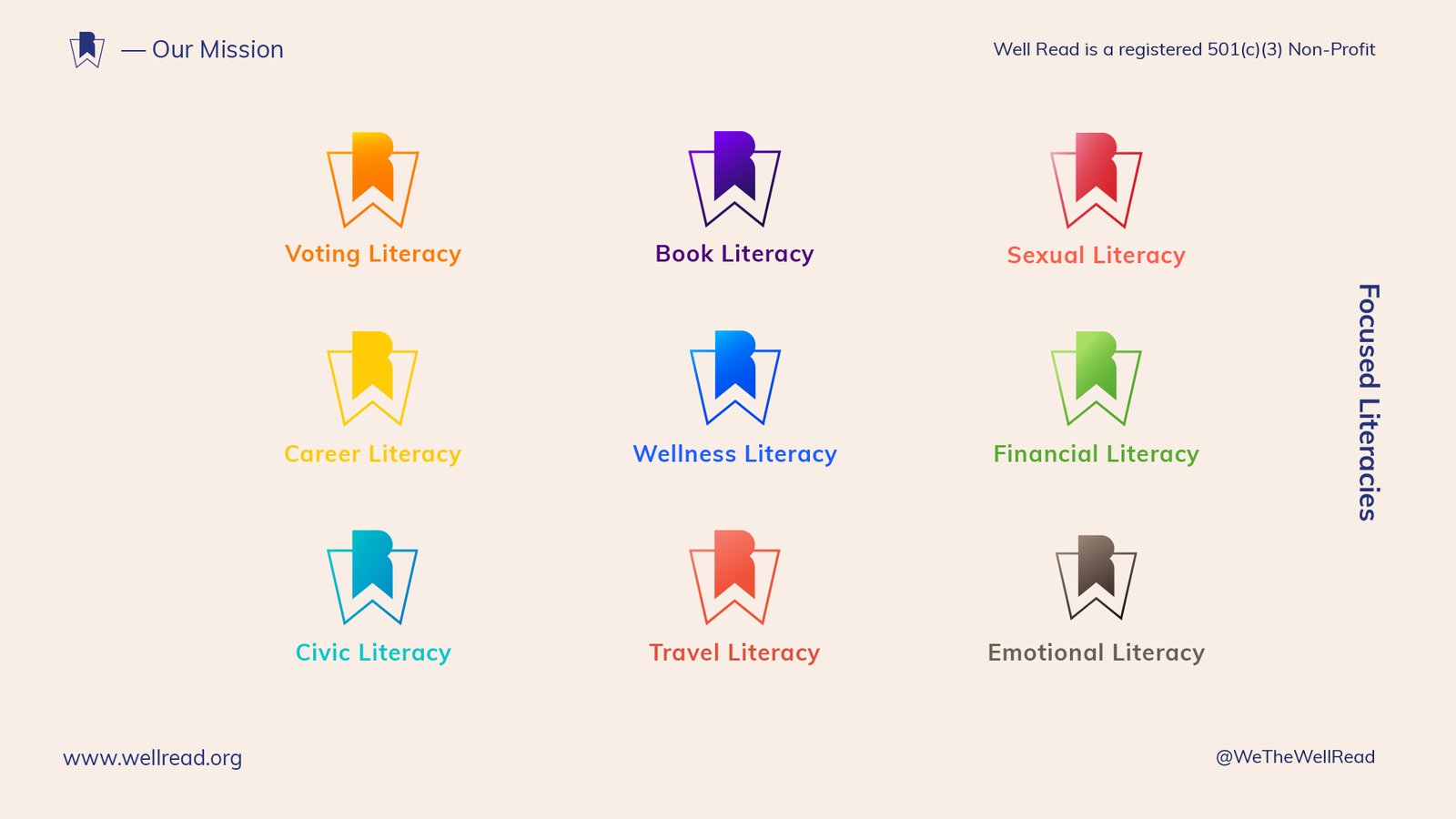
Color-coded WellRead system for voting, book, sexual, career, wellness, financial, civic, travel, and emotional literacy.

Culture as a Distribution System

WellRead recognized that knowledge does not travel only through schools, institutions, or formal publications.

It also moves through media, music, fashion, sport, art, entertainment, technology, and conversation. These cultural channels were not secondary to the mission. They were part of its distribution system.

A financial lesson introduced through a trusted media voice could reach someone who might never attend a seminar. A conversation about health, voting, or emotional well-being could feel more relevant within a familiar cultural environment than within an unfamiliar institution.

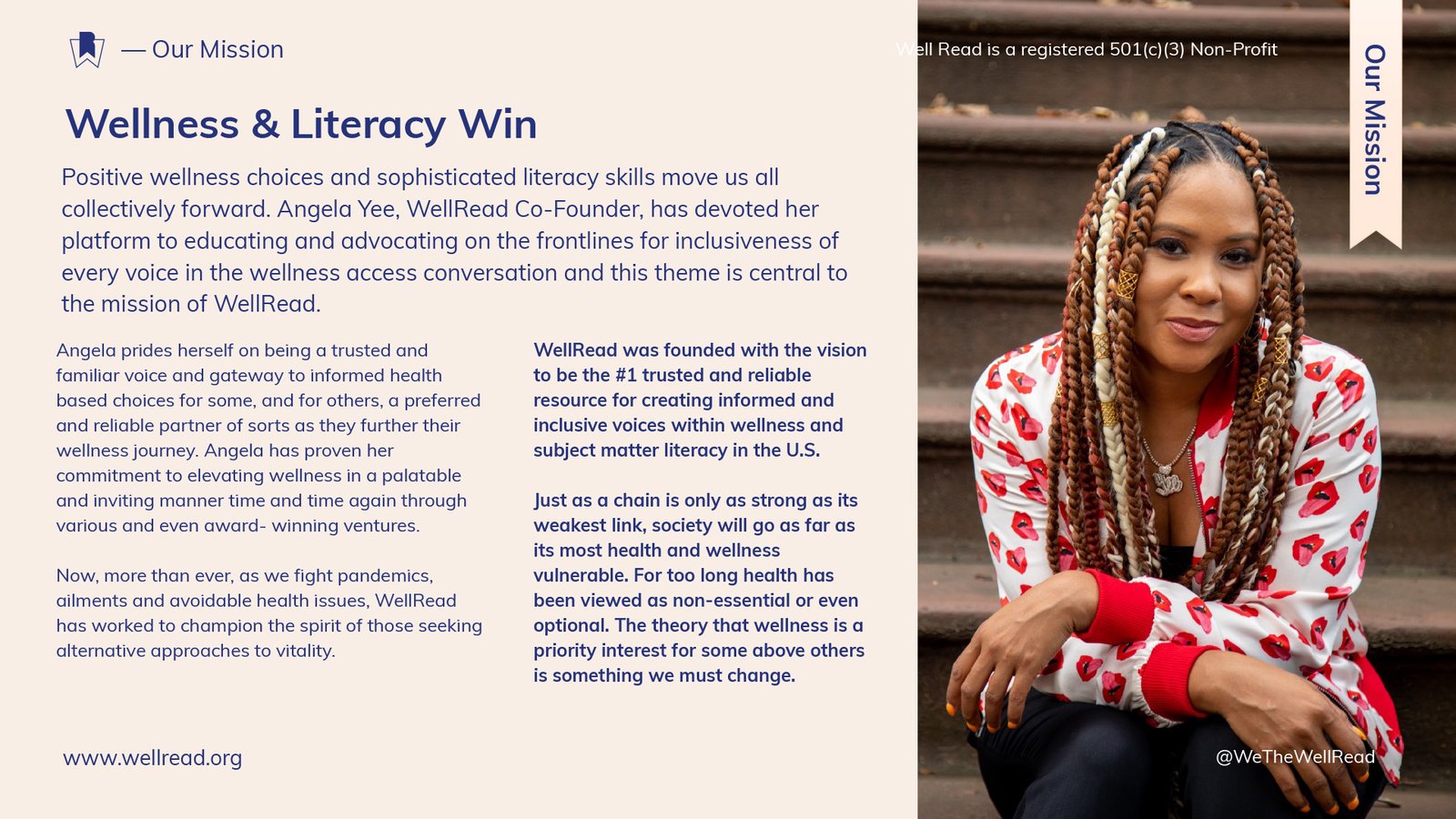
Angela Yee’s relationship with audiences across media, books, entrepreneurship, wellness, and community created a natural bridge between credible knowledge and popular culture. Her relevance to WellRead extended beyond recognition. It created an opportunity to help essential information move through trusted relationships and familiar contexts.

The brand therefore needed to work across interviews, educational content, social campaigns, donor meetings, corporate partnerships, community programming, digital resources, and future live experiences.

Culture created the point of entry. WellRead supplied the structure required to turn that attention into understanding.

WellRead slide combining portraits with a statement about creating pathways for diverse and marginalized voices.

Identity Strategy: Create a Backbone for Multiple Programs

The WellRead identity needed to unify a wide spectrum of subjects without visually overpowering them.

The organization would feature changing programs, experts, communities, cultural references, and literacy categories. A rigid identity tied to one subject or one fixed color would compete with that variety.

Channing & Company designed WellRead as connective infrastructure: memorable enough to create recognition, but flexible enough to adapt to each conversation.

The original creative direction defined the identity as a common denominator and a backbone for informed and inclusive voices—not a brand intended to steal attention from the content or people it served.

Consistency came from the logomark, wordmark, typography, editorial structure, and gradient logic. Within that system, color and content could change according to the subject and level of literacy being explored.

The identity did not require every program to look identical. It gave every program a shared visual language.

The Logomark: Knowledge Opened and Knowledge Kept

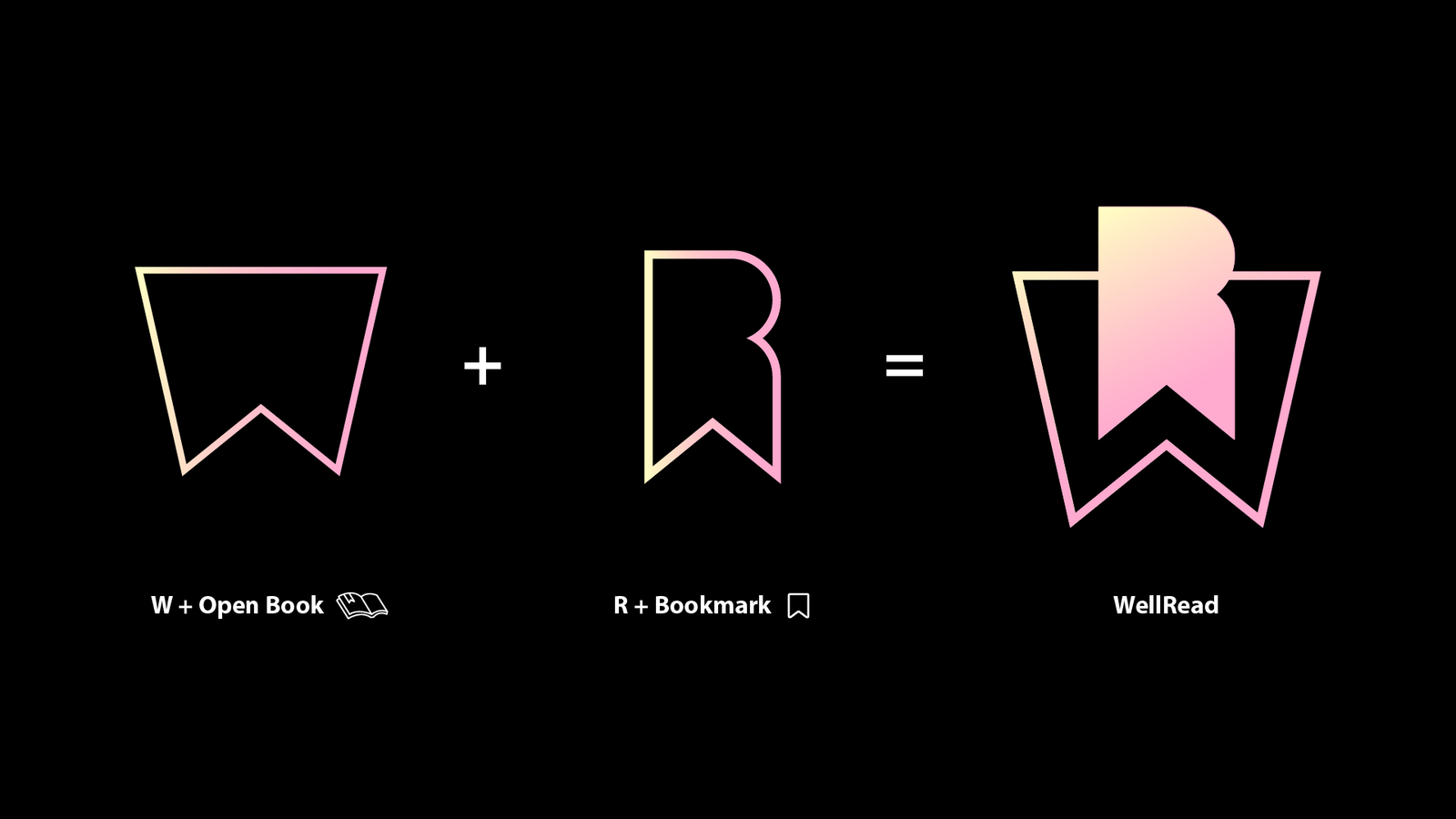
The WellRead logomark combines an abstract R and W into one integrated symbol.

The central R becomes a bookmark. Its vertical shape and pointed lower edge suggest information being marked, retained, revisited, and carried forward.

Around it, the outlined W forms an abstract open book. Its angled sides resemble pages, while the central point creates the impression of a spine or fold.

The bookmark sits within the open book rather than beside it. That relationship captures WellRead’s purpose in a single form: knowledge should not only be opened. It should be understood, remembered, and used.

The condensed monogram also gave the organization a recognizable asset for social profiles, mobile interfaces, program markers, presentation covers, and other applications where the complete wordmark would not fit.

WellRead gradient bookmark and open-book symbol centered on a black background.
WellRead nonprofit logo breakdown showing a W-shaped open book combined with an R-shaped bookmark to create the brand monogram.
WellRead W symbol designed as an open book with a yellow-to-pink gradient and black outline.
The abstract W forms an open book, representing reading, discovery, and access to information.
WellRead R symbol designed as a bookmark with a yellow-to-pink gradient and black outline.
The abstract R becomes a bookmark, representing knowledge retained, revisited, and put into use.
WellRead logo construction showing the R-shaped bookmark layered with the W-shaped open book.
The complete WellRead logo lockup pairs the open-book and bookmark monogram with a clear, contemporary wordmark.

The Color System: Make the Literacy Continuum Visible

WellRead did not belong to one subject, so its identity could not be defined by one color.

Channing & Company moved beyond the conventional model of a restrictive primary and secondary palette. A responsive system of gradients allowed the brand to shift according to its subject, audience, and environment while remaining recognizable.

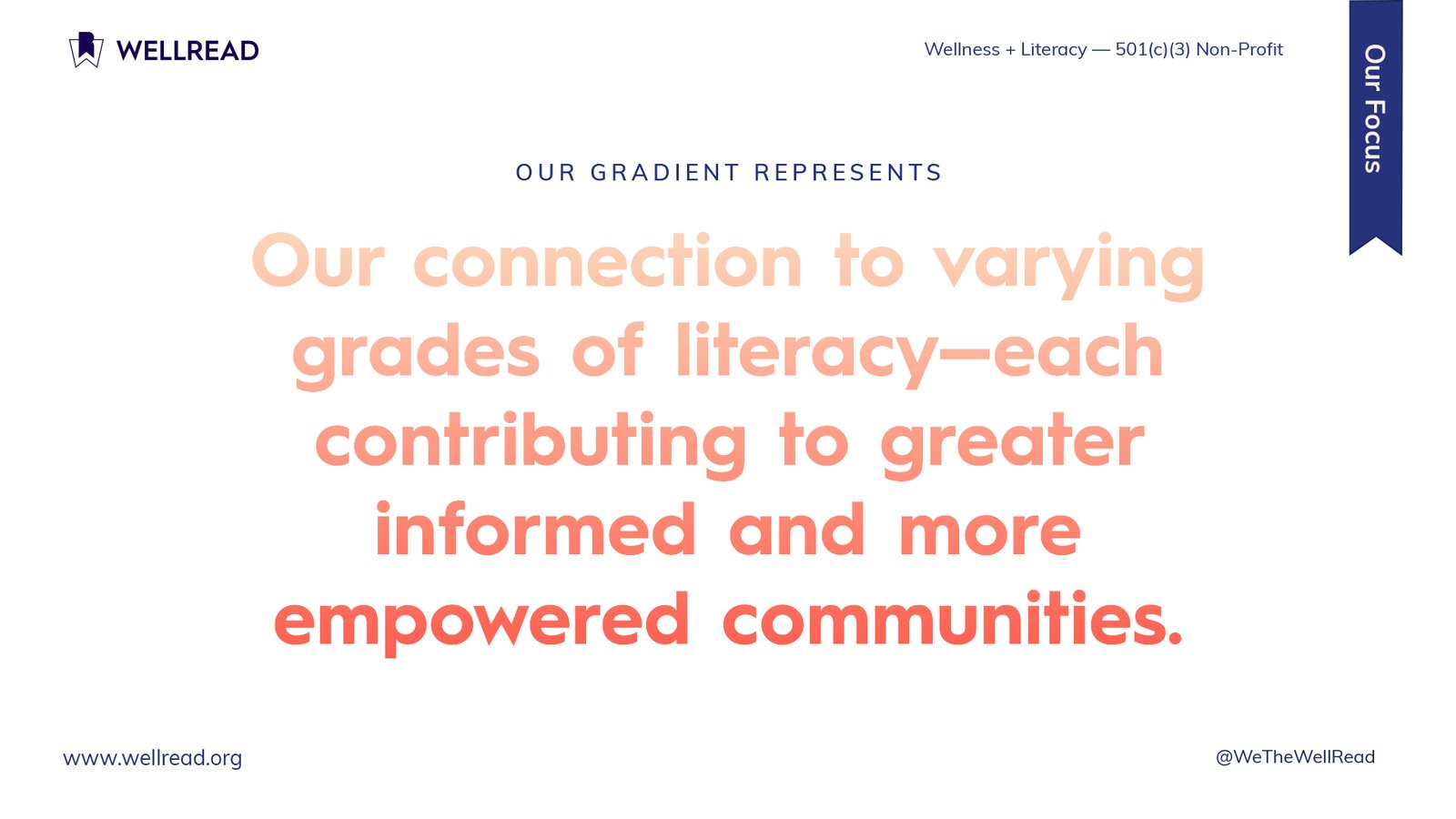
The gradients also carried an informational function. Each gradient represented a literacy continuum.

Lighter values signaled introductory information and accessible entry points for people beginning to explore a subject. As the color became deeper and more saturated, it indicated greater complexity, more advanced subject matter, or a higher level of literacy required to engage with the content.

Different hues distinguished different conversations. The depth of the color communicated how deeply each conversation was being explored.

Hue identifies the subject. Depth indicates the level of literacy.

The gradient was therefore not a decorative treatment applied to the finished identity. It became part of the organization’s information architecture. It could distinguish content, indicate progression, structure learning, and help audiences anticipate whether a resource was introductory or advanced.

The visual identity made literacy visible.

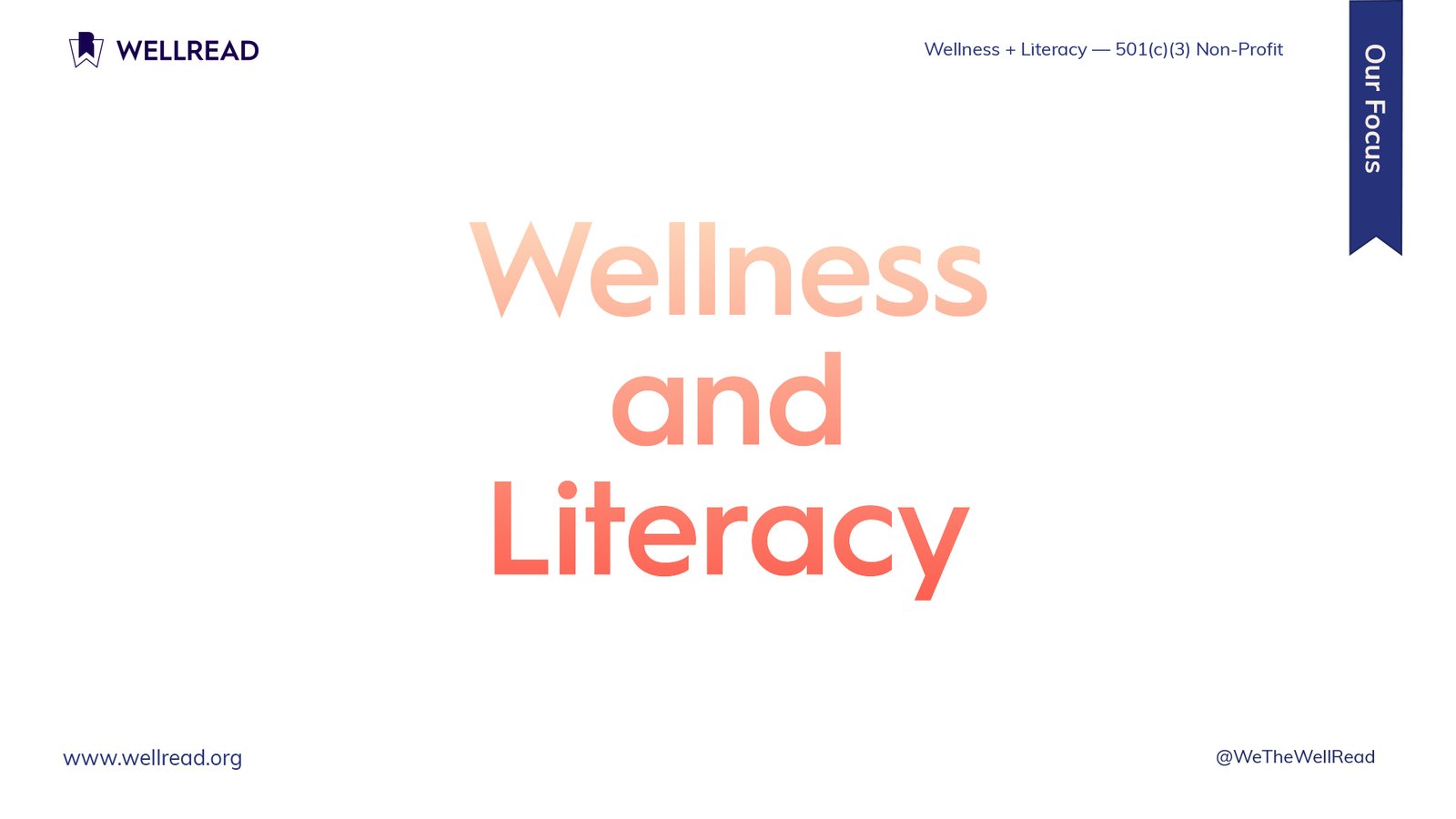
WellRead brand rationale explaining that the peach-to-coral gradient represents varying levels of literacy.

Typography and Editorial Design: Give Information a Clear Shape

The identity used a custom drawn typeface by Channing Bailey. A rounded sans serif that balanced clarity with approachability was designed for its open construction, contemporary geometry, and legibility across digital, presentation, email, and editorial formats.

The typeface gave WellRead structure without making the organization feel academic, clinical, or bureaucratic. Its clarity supported subjects that could become difficult to understand when presented through dense or overly institutional language.

Typography established relationships between major ideas, literacy categories, supporting explanations, and participation pathways. Scale, spacing, and color helped readers move from an accessible entry point into deeper information.

The editorial system supported the same strategic objective as the brand positioning: reduce the distance between information and understanding.

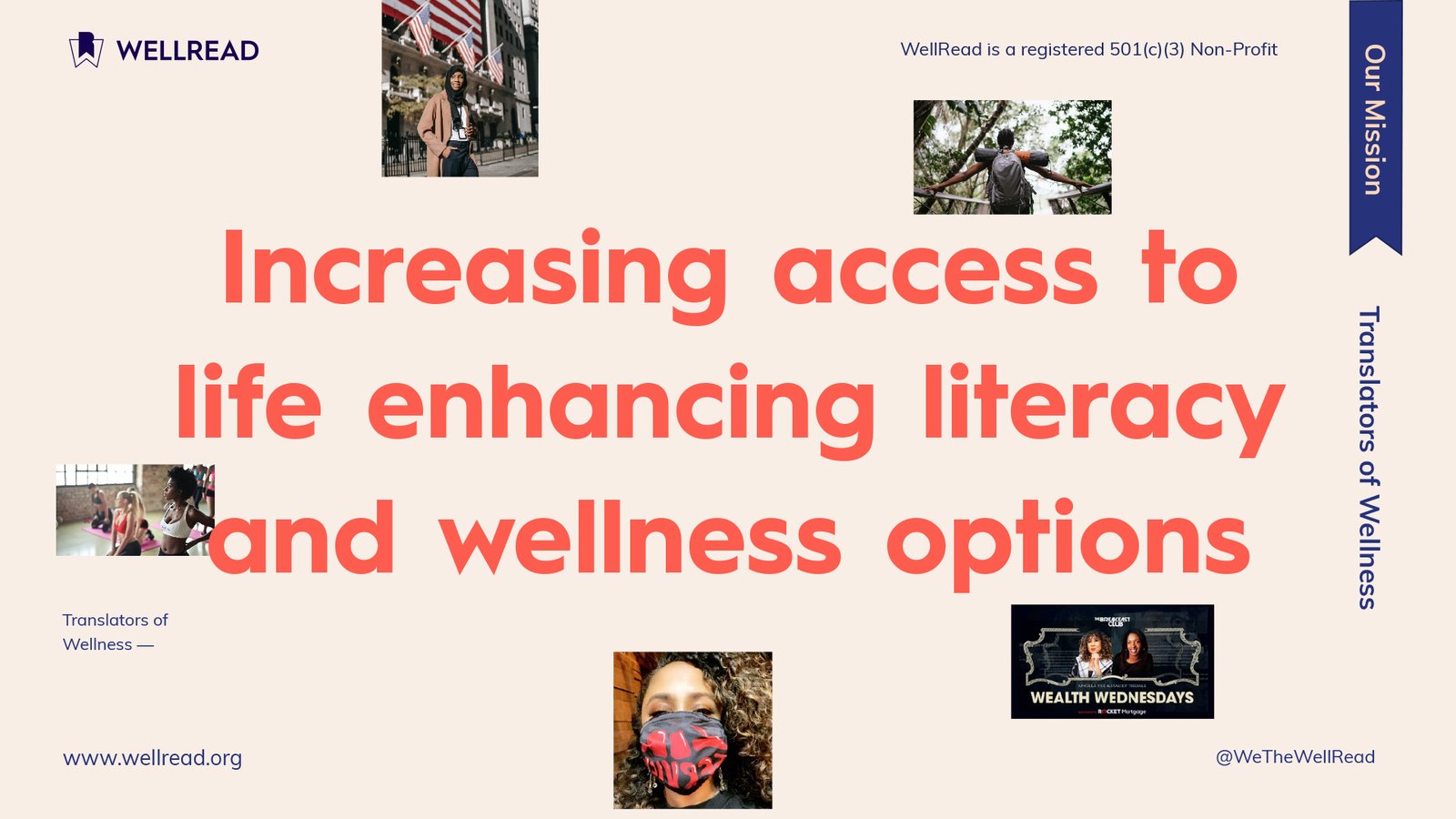
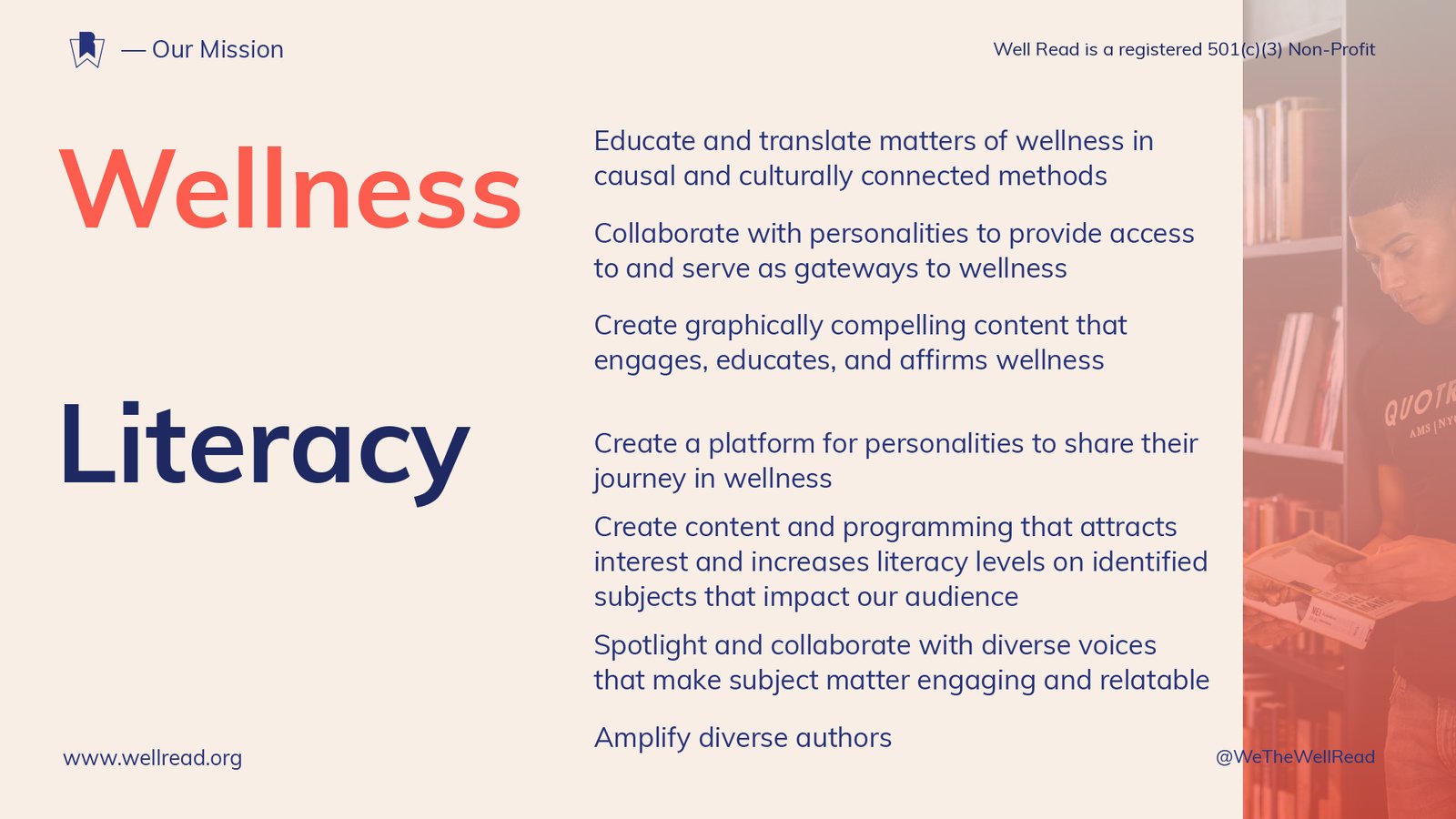
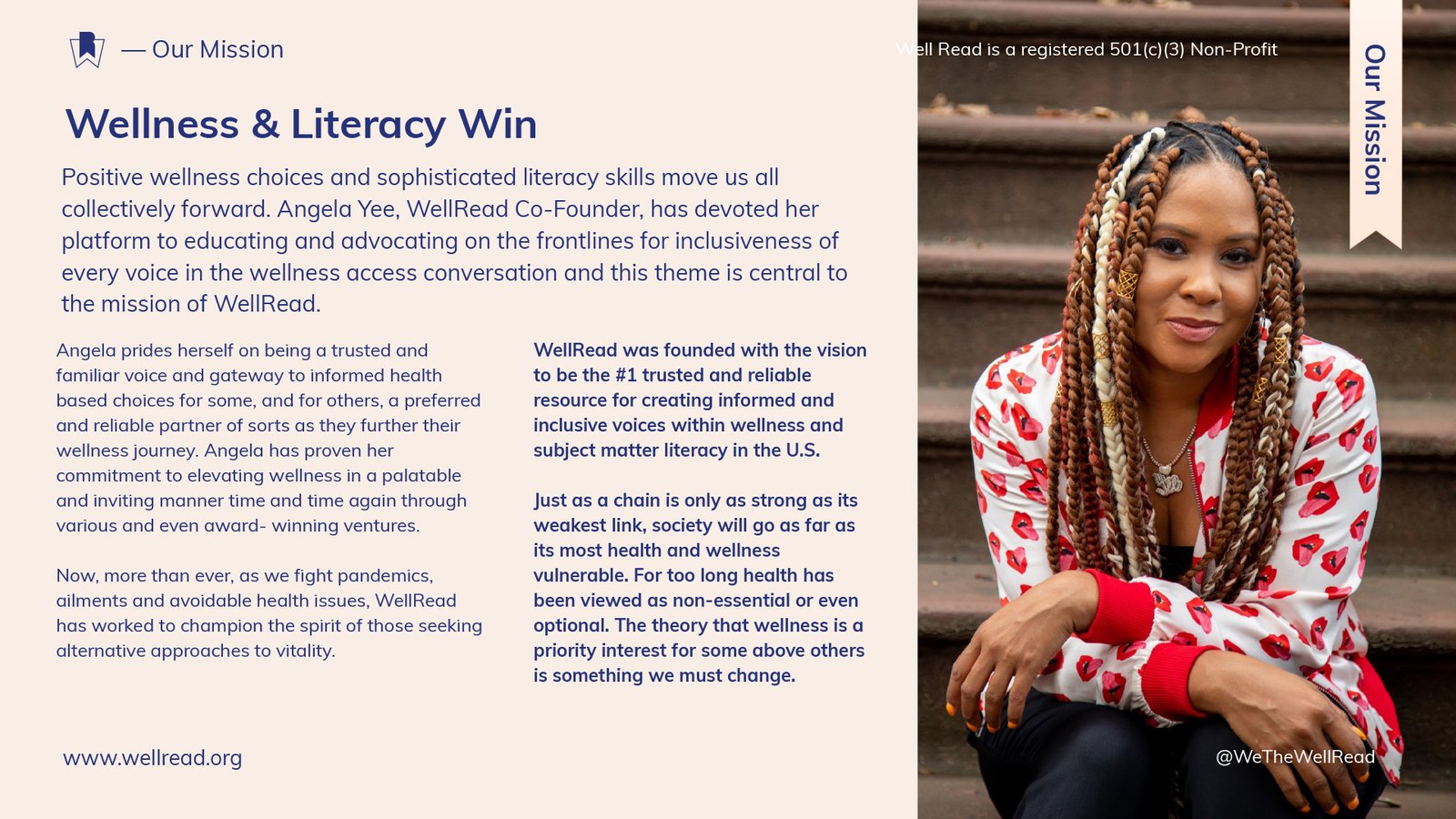
WellRead mission statement surrounded by editorial photographs representing culture, movement, literacy, and wellness.

Messaging: Speak With Authority Without Creating Distance

WellRead needed to communicate subjects with real consequences—health, money, rights, careers, relationships, and emotional well-being—without reproducing the language barriers that often make those subjects harder to enter.

The verbal identity balanced credibility with familiarity. It was informed without sounding institutional, culturally aware without becoming performative, and welcoming without oversimplifying the subject.

The messaging system connected four central ideas:

Wellness and literacy belong together because knowledge shapes how people care for themselves, respond to opportunity, and participate in society.

Translation creates access because information becomes more useful when people understand the language, trust the messenger, and recognize its relevance.

Literacy creates agency because stronger understanding supports better decisions, fuller participation, and more confident action.

Culture carries knowledge because familiar voices, environments, and platforms can help essential information travel beyond traditional institutional channels.

Program Integration: Bring the Angela Yee Book Club Under WellRead

The Angela Yee Book Club became a flagship program within the WellRead ecosystem.

The program retained its recognizable name and relationship with Angela Yee while gaining a broader nonprofit context. This allowed the book club to continue serving its existing audience while connecting its programming to WellRead’s larger mission.

The architecture clarified the relationship between the two brands.

Angela Yee Book Club provided a proven cultural format. WellRead provided the parent strategy, organizational authority, fundraising structure, and room for future growth.

The book club was no longer an isolated program. It became one expression of a broader literacy platform.

Funding and Partnership Presentations: Make the Mission Legible and Fundable

The organization needed to communicate with audiences beyond program participants.

Donors, foundations, publishers, corporate sponsors, and institutional partners needed to understand the problem WellRead addressed, the role it intended to play, the audiences it served, and the opportunities available for support.

Channing & Company designed donor, sponsorship, and partnership presentations that translated the strategy into a cohesive case for participation.

The work built on the commercial model already developed for the Angela Yee Book Club, where live events, social media, video, Facebook Live, email, and website exposure had been organized into integrated sponsorship packages.

For WellRead, that framework expanded into a broader nonprofit narrative connecting mission, literacy architecture, cultural relevance, programming potential, and partnership opportunities.

The presentations gave Angela Yee and the WellRead team a repeatable tool for explaining why the organization existed, how its work was structured, and what financial or institutional support could enable.

Nonprofit Website Design: Turn the Brand into Public Infrastructure

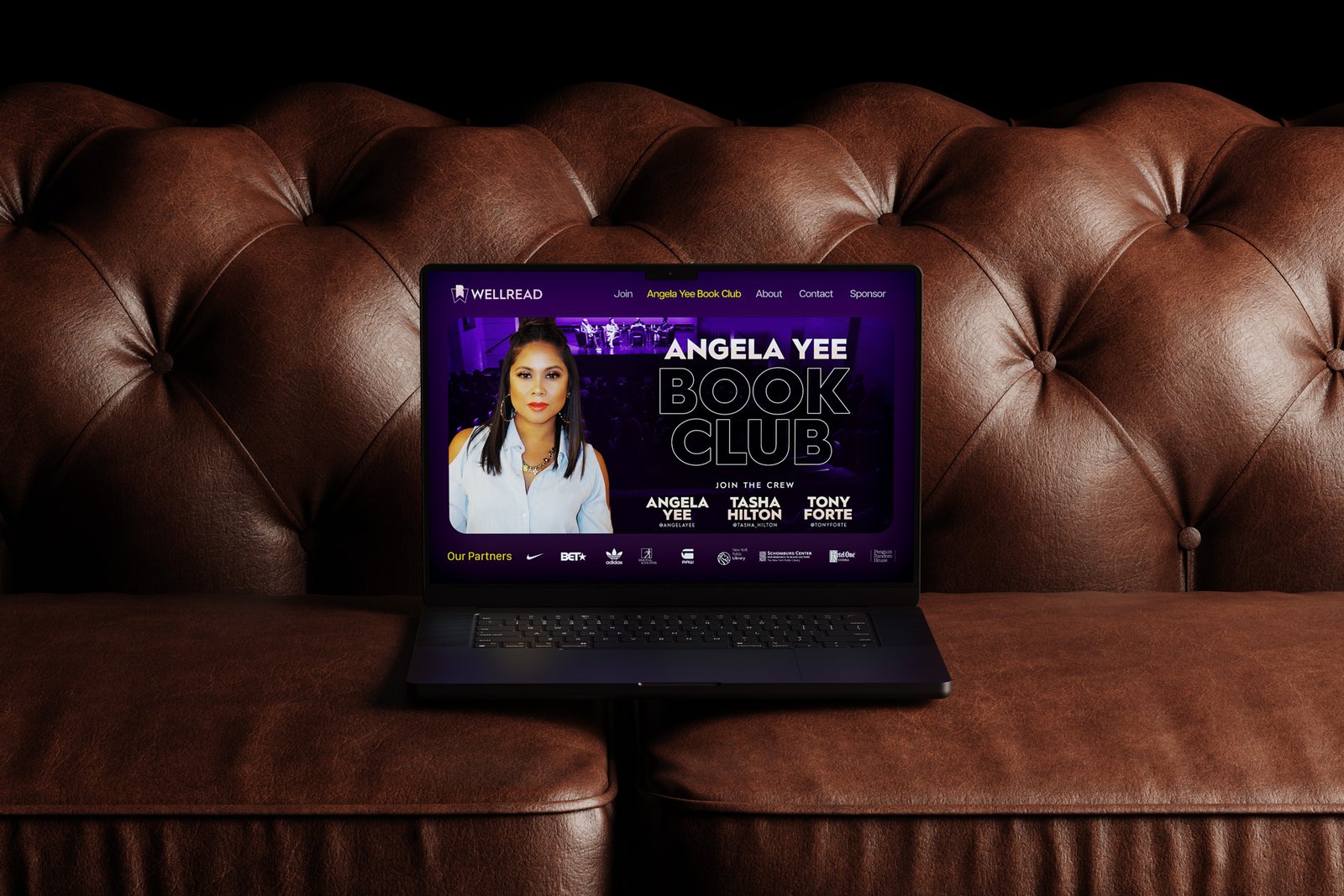
The WellRead website was not treated as a digital brochure. It was designed and developed as the public infrastructure of the nonprofit.

Channing & Company created the digital strategy, information architecture, UX/UI system, responsive website, CMS, donation processing, forms, search functionality, analytics, and platform integrations.

The website enabled:

  • One-time and recurring donations
  • Donor and partnership inquiries
  • Newsletter registration
  • Program and event registration
  • Educational resource publishing
  • Literacy-category filtering
  • Video and article publishing
  • Volunteer applications
  • Mailchimp integration
  • Mobile access
  • Internal content management
  • Audience and performance analytics

The nine-literacy architecture gave visitors clear entry points into the organization’s subject matter. Editorial layouts created room for educational resources, programs, organizational storytelling, and future campaigns.

Donation pathways turned interest into financial support. Partnership pathways gave companies and institutions a direct route into collaboration. Email capture allowed WellRead to continue the relationship after a visitor left the site.

The website also established an independent digital presence beyond Angela Yee’s personal channels. Her platform could introduce the organization, but WellRead now had its own destination, authority, and infrastructure.

WellRead nonprofit website featuring its gradient identity, literacy content, donation pathway, and partnership information.

Go-to-Market Strategy: Connect Awareness to Participation

A new identity and website could not establish WellRead on their own.

The organization needed a coordinated way to introduce its mission, activate Angela Yee’s cultural influence, direct audiences toward the website, and create distinct pathways for supporters, donors, and partners.

Channing & Company developed the go-to-market strategy across:

  • Angela Yee’s social and media platforms
  • Press outreach
  • Live events and panels
  • The Angela Yee Book Club
  • Website content
  • Partner communications
  • Email marketing

Founder communications introduced the mission. Cultural content established relevance. Events and panels created participation. The book club provided a proven audience and program format. The website supplied deeper understanding and action pathways. Email sustained the relationship.

Each channel performed a different function, but every channel reinforced the same strategic role: WellRead translates complex knowledge into information people can understand and use.

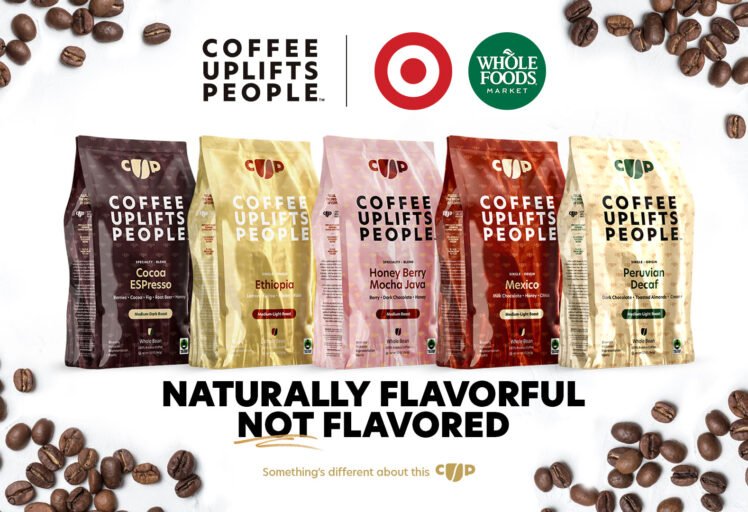
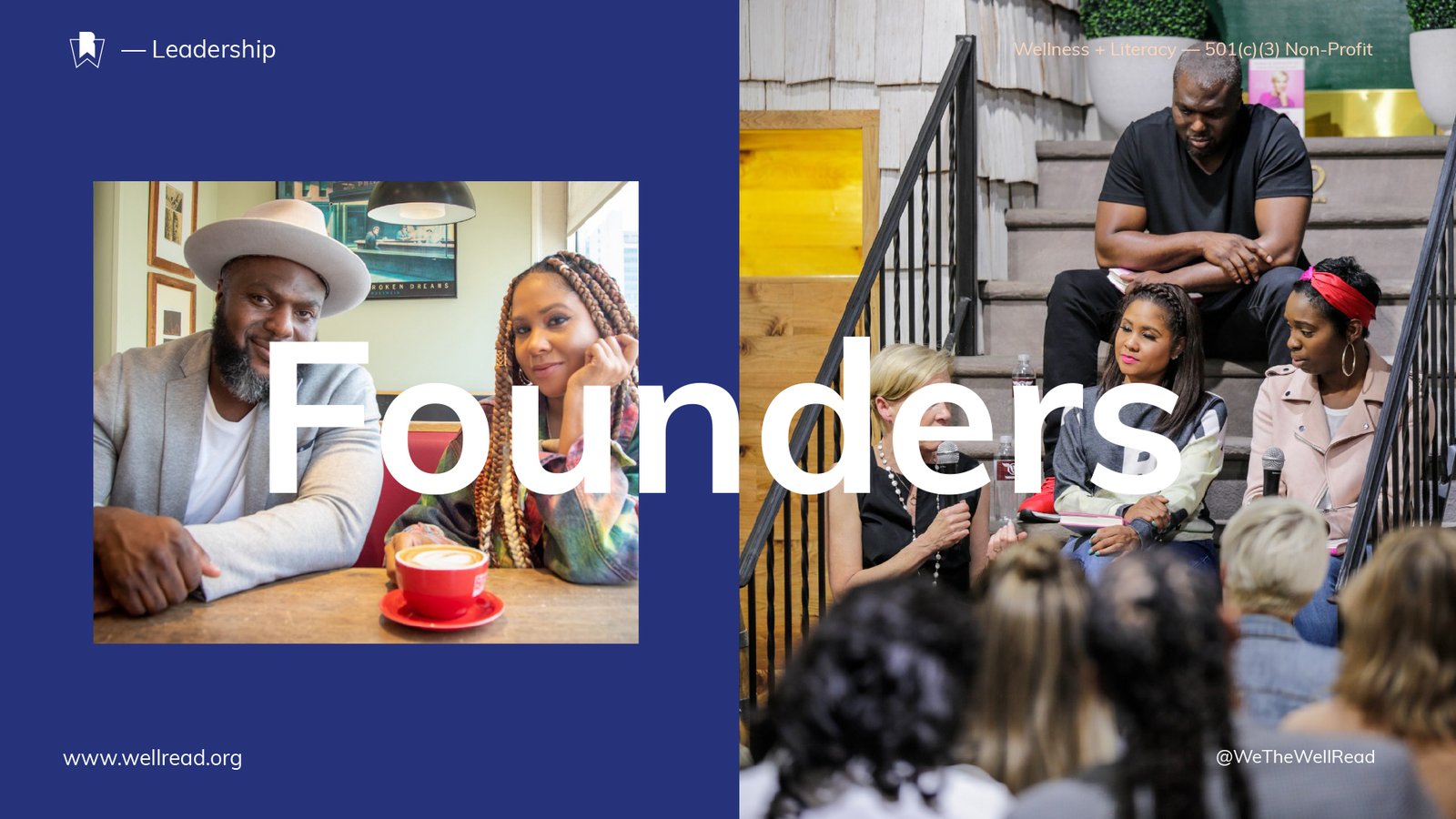
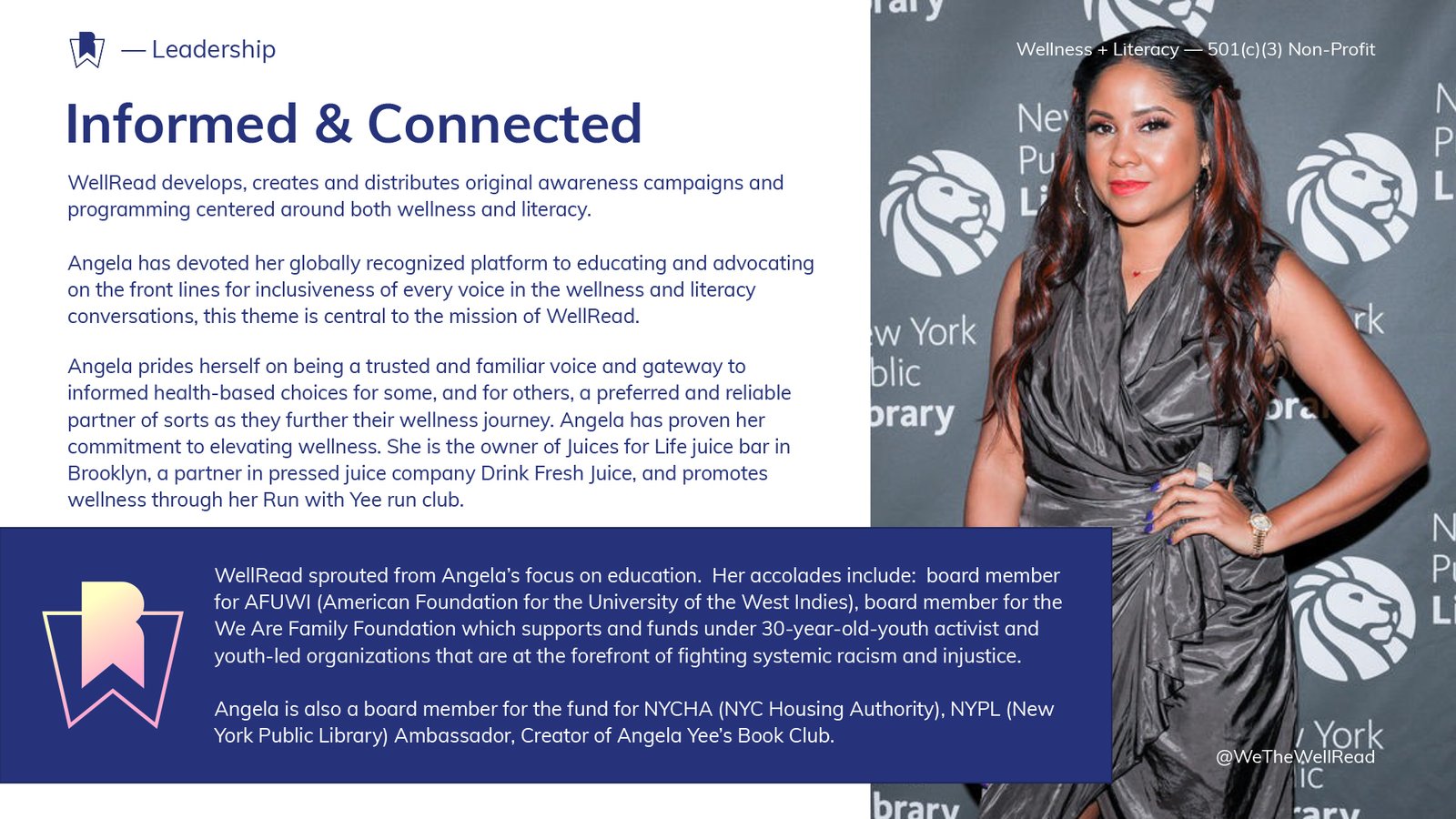
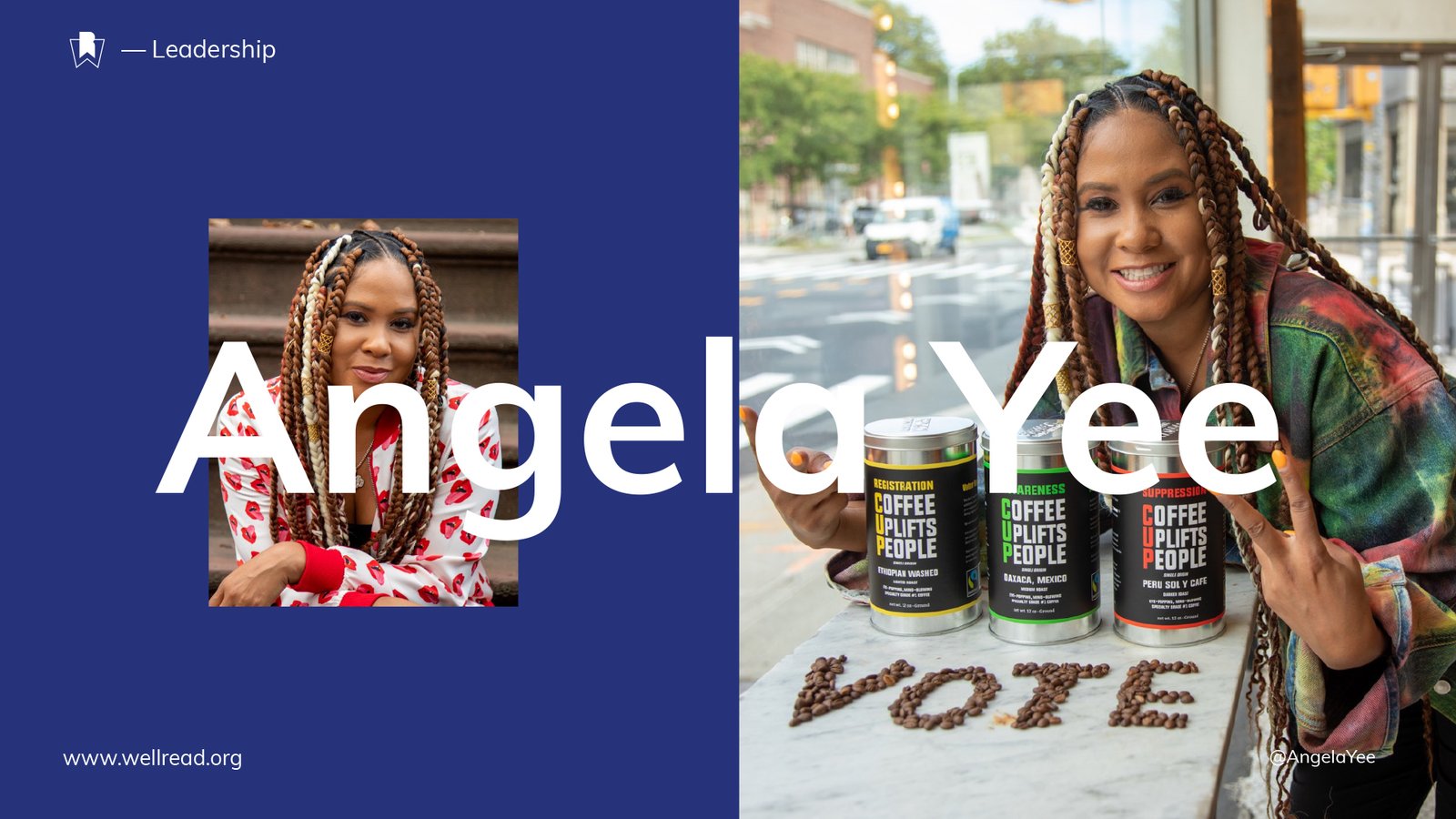
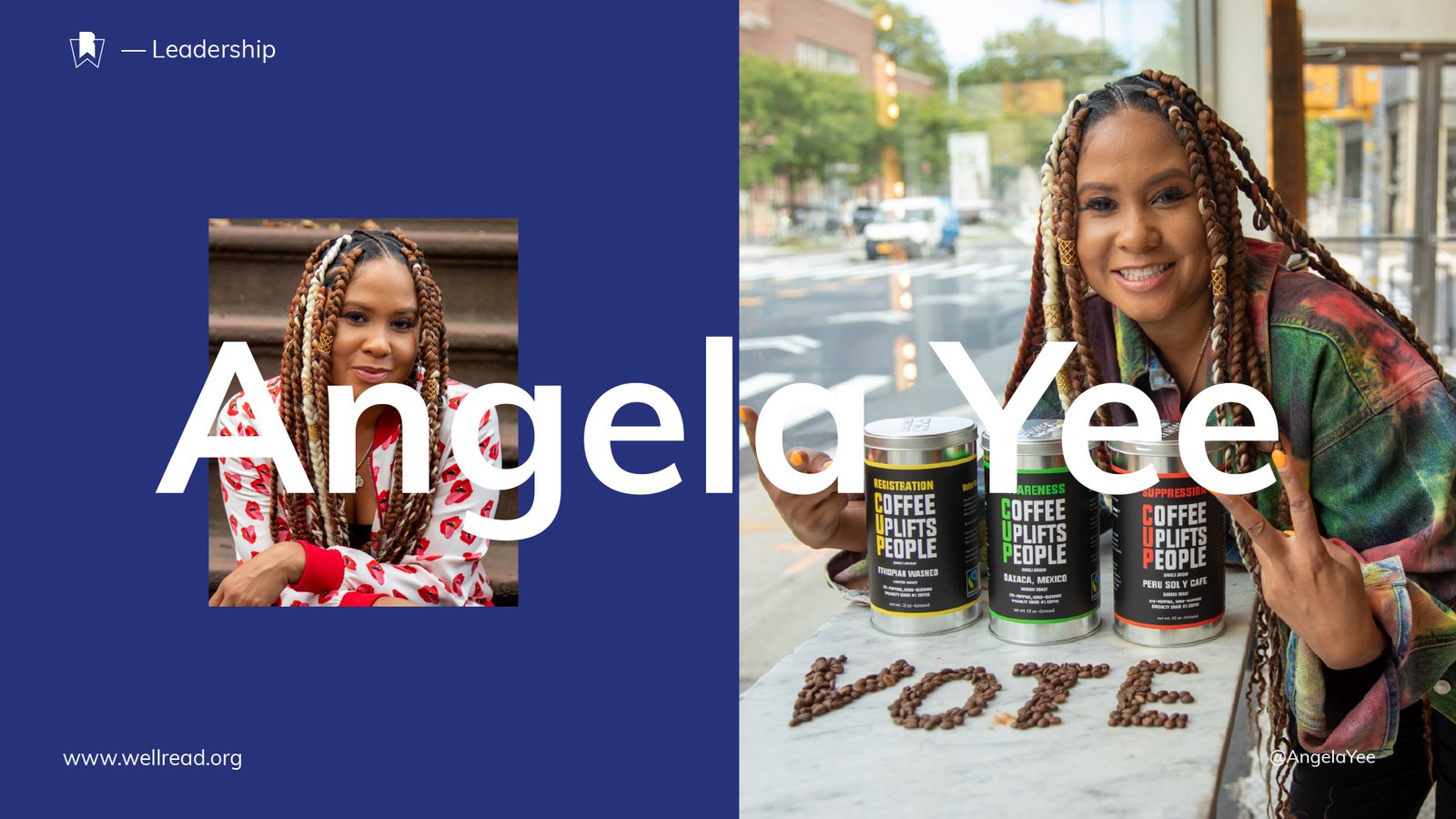
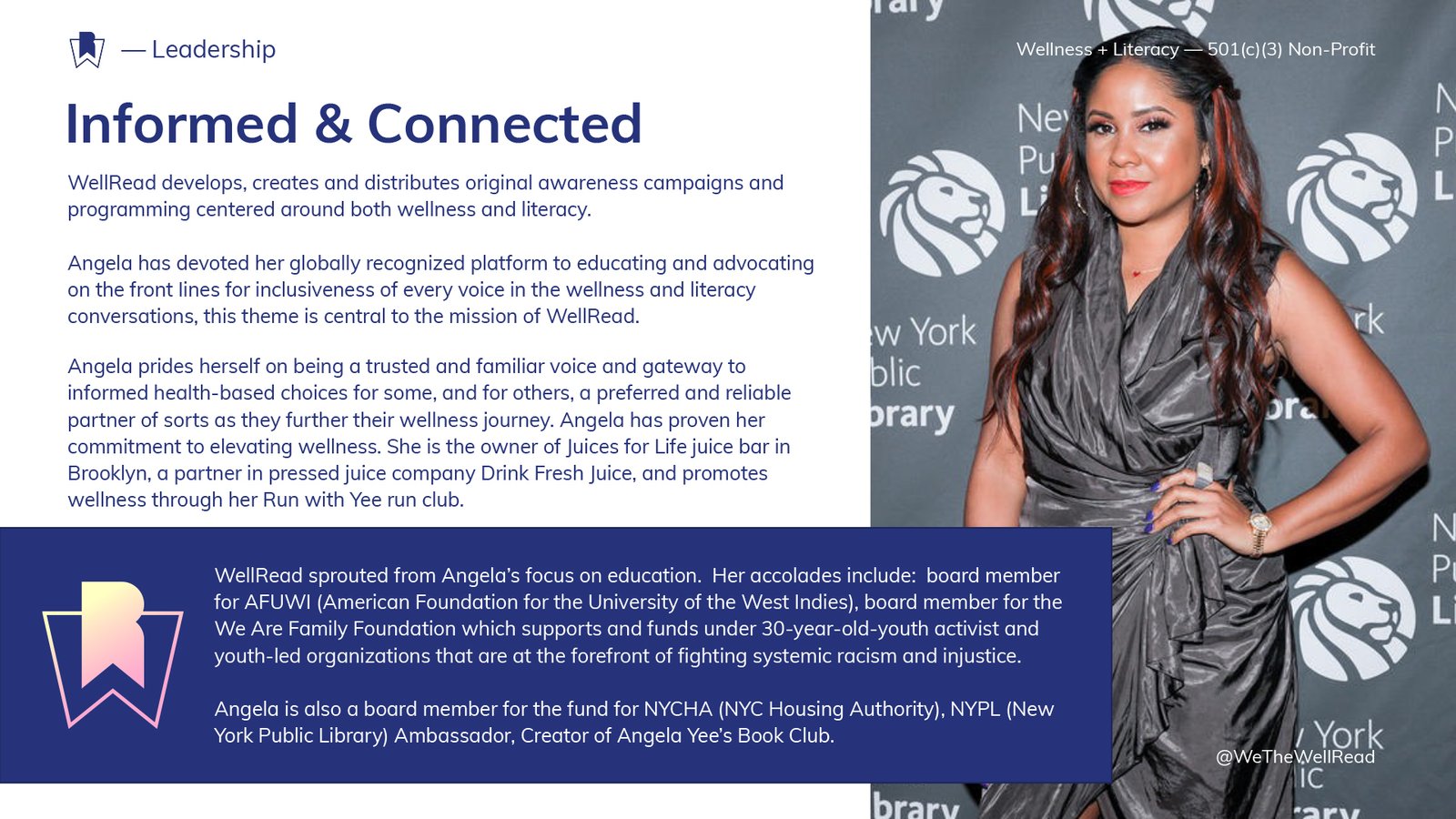
WellRead leadership slide featuring Angela Yee with Coffee Uplifts People products.

Email Marketing and Mailchimp: Create an Owned Return Path

Social media and founder-led communications could help people discover WellRead, but discovery alone would not create an enduring audience.

The organization needed an owned channel.

Channing & Company developed WellRead’s Mailchimp ecosystem, including account setup, website integration, audience segmentation, branded templates, welcome automation, newsletter strategy, donor communications, campaign planning, and reporting.

The system created pathways for educational content, organizational announcements, donor cultivation, campaign promotion, event communication, and ongoing community engagement.

The website became the destination. Email became the return path.

Together, they created a journey through which a first-time visitor could become a subscriber, recurring reader, program participant, supporter, donor, volunteer, or institutional partner.

Impact: From Audience Engagement to Organizational Capability

A Proven Cultural Literacy Platform

By 2020, the Angela Yee Book Club had reached 22,000 Facebook Live attendees while averaging 50 guests at each in-person event.

Its core audience was primarily Black and Hispanic, 80% women, college educated, and between the ages of 20 and 37. The program also built a dedicated email community of 3,000 subscribers.

These results demonstrated that books and literacy programming could attract sustained attention when presented through cultural experience, trusted personalities, community dialogue, and digital access.

A Commercial and Partnership Model

Channing & Company transformed the book club into an integrated cultural-media property.

The sponsorship system connected live programming, author access, Instagram, short-form video, Facebook Live, email, and website exposure. It gave publishers, consumer brands, media companies, and community partners defined ways to participate.

The model established that literacy programming could deliver cultural value, audience engagement, partner visibility, and community impact within one platform.

A Parent Organization Built for Growth

WellRead gave the work an organizational structure capable of operating beyond one program. The nonprofit gained:

  • A distinct name and strategic position
  • Nine active literacy territories
  • A parent-program brand architecture
  • An independent visual and verbal identity
  • Governed brand standards
  • Donor and sponsor presentations
  • A fully functioning nonprofit website
  • Donation and recurring-giving pathways
  • Program and event registration
  • Partnership and volunteer inquiries
  • A content and resource-publishing system
  • An integrated Mailchimp platform
  • A coordinated go-to-market strategy
  • Independent authority beyond its founder’s personal channels

The system allowed the WellRead team to explain its mission more clearly, approach donors and sponsors with greater credibility, manage multiple forms of programming, build an owned audience, and create consistent experiences across every major touchpoint.

The Outcome: From a Brooklyn Stoop to a Scalable Nonprofit Platform

The project did not begin with a nonprofit logo. It began with a physical stoop inside a women’s retail store in Brooklyn.

Channing & Company transformed that space into a cultural literacy program, developed the Angela Yee Book Club into an audience and sponsorship platform, and ultimately created WellRead as the parent nonprofit capable of carrying the model forward.

The completed system connected strategy, naming, programming, identity, experience, fundraising, digital infrastructure, launch planning, and owned audience development.

What began as a book club became infrastructure for helping knowledge travel—from authors into communities, from experts into culture, from curiosity into deeper literacy, and from information into informed action.

Testimonials and Reactions

Share on

Build the Infrastructure Behind Your Mission

Channing & Company helps nonprofits, cultural organizations, founder-led ventures, and mission-driven companies transform ambitious ideas into brands people can understand, support, and act upon.

We connect brand strategy, program development, identity, sponsorship, donor communications, website design, launch planning, and audience development within one integrated system.

The result is more than a public-facing identity. It is the strategic, creative, commercial, and digital infrastructure required to build trust, attract support, and grow.

Share your mission, current challenge, target audience, organizational goals, required scope, location, timeline, and investment range.

Frequently Asked Questions

Channing & Company created the Angela Yee Book Club as a programmatic partnership at WOODstack IVY in Brooklyn. Its live events, cultural programming, digital audience, and sponsorship model demonstrated that literacy could become more participatory when connected to culture. WellRead expanded that model into a parent nonprofit covering nine forms of everyday literacy.


A nonprofit parent-brand architecture organizes multiple programs, initiatives, and content areas beneath one recognizable organization. In WellRead’s case, the parent brand unified nine literacy territories while allowing the Angela Yee Book Club to retain its established program name.

Channing & Company developed WellRead from strategy through implementation, including research, naming, positioning, brand architecture, identity, guidelines, donor and sponsorship presentations, website strategy and development, donation systems, go-to-market planning, email marketing, and Mailchimp setup.

Yes. Channing & Company develops brand platforms, program concepts, content structures, sponsorship models, live experiences, digital systems, and launch strategies alongside identity design. The Angela Yee Book Club and WellRead demonstrate how programming and branding can be built as one connected system.

A logo identifies an organization, but it cannot independently explain the mission, organize programs, support fundraising, guide partners, manage content, or create participation pathways. A complete nonprofit brand connects strategy, messaging, architecture, identity, digital infrastructure, fundraising, launch, and audience development.


A nonprofit website should explain the mission, audience, programs, leadership, and ways to participate. Depending on the organization, those pathways may include donations, recurring giving, subscriptions, volunteering, program registration, events, educational resources, and partnership inquiries.

Yes. Channing & Company develops donor, sponsor, investor, and partnership presentations that translate an organization’s mission, audience, programming, impact, and opportunities into a clear and visually coherent case for support.


Yes. Email marketing can be incorporated into a broader nonprofit branding, website, launch, and audience-development engagement. Services may include platform setup, website integration, segmentation, branded templates, welcome automations, campaign strategy, donor communication, and reporting.


WellRead by Angela Yee: Translating Wellness and Literacy into Action

About the WellRead Branding and Website Project

WellRead is a wellness and literacy 501(c)(3) nonprofit founded by Angela Yee. Channing & Company served as the organization’s integrated brand and digital partner, developing its brand strategy, positioning, messaging, focused-literacies architecture, visual identity, brand guidelines, donor presentations, responsive nonprofit website, go-to-market strategy, email marketing strategy, and Mailchimp platform.

Led by Channing Bailey, the project positioned WellRead as a trusted translator of wellness and literacy. The visual identity combines an R-shaped bookmark with a W-shaped open book, while the gradient system represents a continuum from introductory information to deeper literacy. The completed system gave WellRead independent infrastructure for education, fundraising, partnerships, launch communications, and owned audience development.

Client: WellRead
Brand and Digital Partner: Channing & Company
Strategy, Creative Direction, and Design: Channing Bailey

Project Scope: Nonprofit Brand Strategy, Positioning, Messaging, Brand Architecture, Visual Identity, Logo Design, Typography, Gradient and Color System, Brand Guidelines, Donor Presentation Design, Digital Strategy, Information Architecture, UX/UI Design, Website Design and Development, Go-to-Market Strategy, Email Marketing Strategy, and Mailchimp Setup

Client

WellRead / Angela Yee

Strategy, Creative Direction, and Design Leadership

Channing Bailey

Date

2022

Disciplines

Brand Strategy
Nonprofit Brand Positioning
Messaging
Brand Architecture
Visual Identity
Editorial
Design Presentation Design
Digital Strategy
Information Architecture
UX/UI Design
Digital Strategy
Website Design & Development
Art Direction
Activations & Programming

Explore
Drag