
Filter by






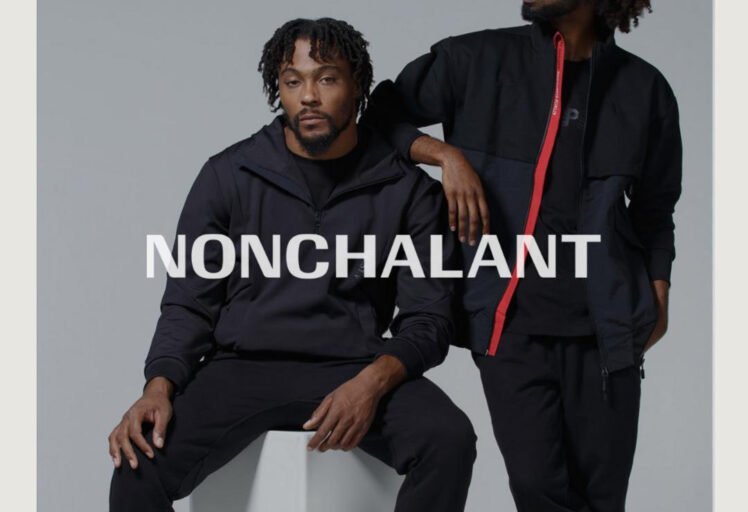






















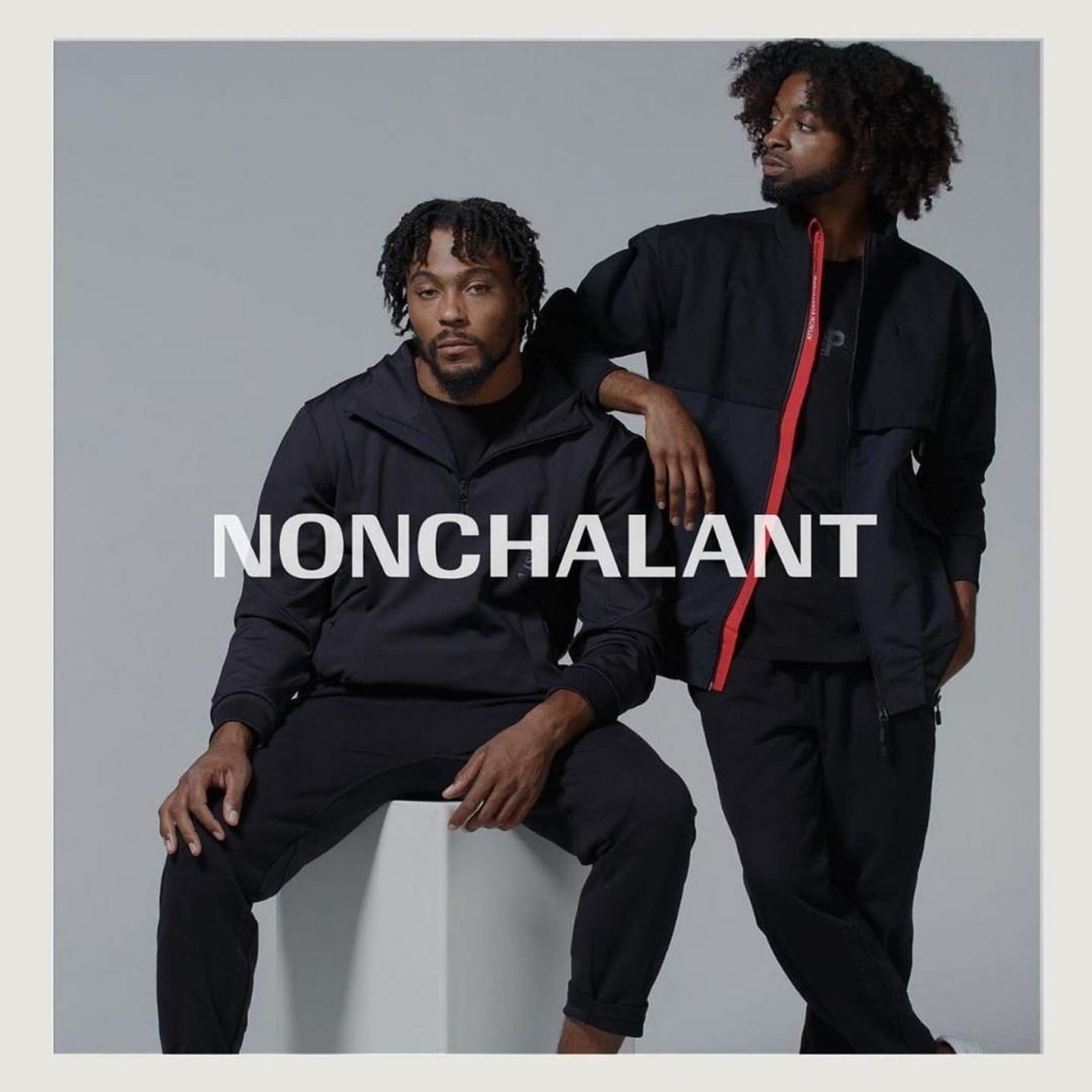
Nonchalant
Apparel Design, Brand Strategy, and Visual Identity
How Channing & Company helped transform Eric Berry’s idea into a complete streetwear and techwear apparel brand.
How Channing & Company helped transform Eric Berry’s idea into a complete streetwear and techwear apparel brand.
Nonchalant began as an idea with more potential than a single product could hold.
Founded by former NFL safety and Tennessee Volunteers standout Eric Berry, the brand carried a deeper story from the start. It was rooted in discipline, composure, resilience, movement, and the ability to remain steady through changing conditions.
Channing & Company was brought in to translate that idea into a full brand system. Led by Channing Bailey, the studio developed the brand strategy, visual identity, verbal identity, apparel design direction, product strategy, and creative foundation for Nonchalant Season One: Dirty Duality.
The result was a streetwear and techwear brand built around a clear philosophy: stoic adaptability.

Project Overview
Nonchalant is an apparel brand designed for people who move through varied environments with composure. The brand is understated, functional, and intentional, shaped by the belief that clothing should serve the journey of the day rather than the attention of the moment.
The assignment called for more than graphics on garments. Nonchalant needed a complete brand foundation: strategy, naming context, visual identity, apparel design, garment direction, and a product system that could translate the brand’s philosophy into a physical collection.
Channing & Company was invited to define the brand strategy, visual identity, apparel design, and product development for Nonchalant Season One: Dirty Duality.
Led by Channing Bailey, the work established Nonchalant as a fashion brand rooted in restraint, adaptability, movement, and utility. Every part of the system was built around the brand’s central idea: approaching every circumstance with stoic indifference.
Founder Story: Eric Berry and the Origin of Nonchalant
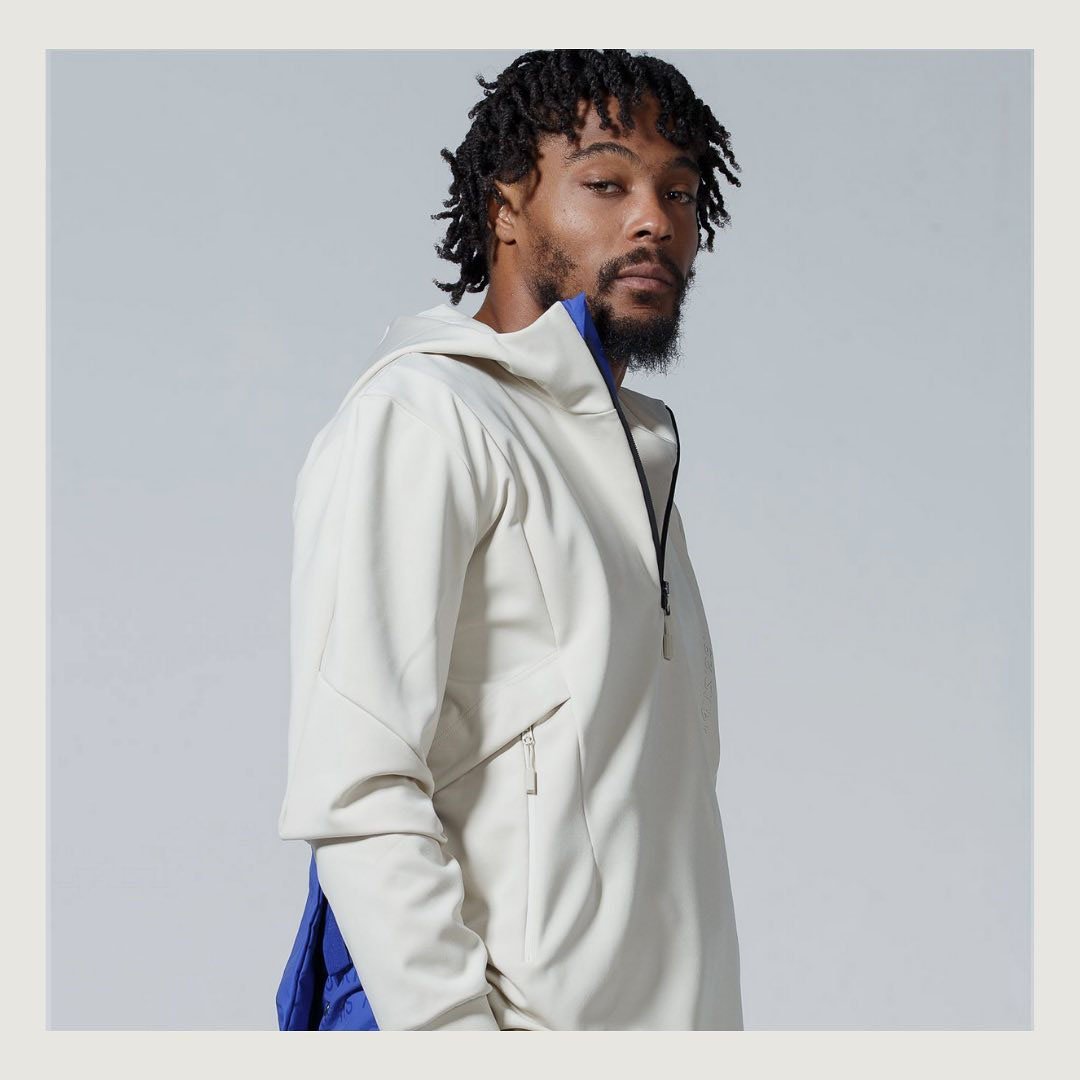
Nonchalant was shaped by the life and perspective of founder Eric Berry.
Berry built his career through discipline, preparation, and composure under pressure. As a football player, he became a five-time Pro Bowler, three-time First-Team All-Pro, College Football Hall of Fame inductee, and one of the defining defensive players of his generation.
But the deeper foundation of Nonchalant came from what Berry endured beyond performance.
In 2014, Berry was diagnosed with Hodgkin’s lymphoma. After chemotherapy and being declared cancer free, he returned to the NFL for the 2015 season and was named to the Pro Bowl, the AP All-Pro team, and the 2015 AP Comeback Player of the Year.
That return became central to the brand’s philosophy.
Nonchalant was not created as an attitude of indifference. It was created from the lived discipline of staying composed when circumstances change. It reflects Berry’s understanding that you cannot always control the condition, the environment, the injury, the diagnosis, or the outcome. You can control your response.
That perspective became the strategic foundation for the brand.
The apparel had to carry that same idea: functional, adaptable, understated, and built for movement through contrast. The visual identity had to reflect composure without becoming passive. The garments had to feel intentional without feeling overdesigned.
For Channing & Company, the work was about translating Berry’s story into a brand system. Nonchalant became a fashion brand rooted in resilience, restraint, utility, and stoic adaptability.

Eric Berry, Founder of Nonchalant
The Challenge
The original idea had energy, but it needed structure.
Nonchalant had to become more than a T-shirt. It needed to become a brand with a point of view, a customer, a design system, a visual language, a product strategy, and a reason to exist beyond the first drop.
The challenge was to translate Eric Berry’s story and mindset into a streetwear and techwear brand that felt disciplined, functional, understated, and culturally specific.
The brand needed to answer several questions:
What does Nonchalant stand for?
Who is the Nonchalant customer?
How should the brand look, speak, and move?
What makes the apparel distinct?
How does the founder’s story inform the product without turning the brand into biography?
How does a single idea become a complete fashion brand?
The Strategic Insight
Nonchalant is not apathy. It is control.
The name could have easily been misunderstood as carelessness or emotional distance. Channing & Company repositioned it as composure, restraint, and discipline under pressure.
The central insight became:
Nonchalant is the ability to adapt without losing control.
That idea shaped the entire brand.
It informed the visual identity, apparel design, messaging system, and product strategy a point of view. It helped the brand move beyond a graphic tee and into a larger streetwear and techwear platform.
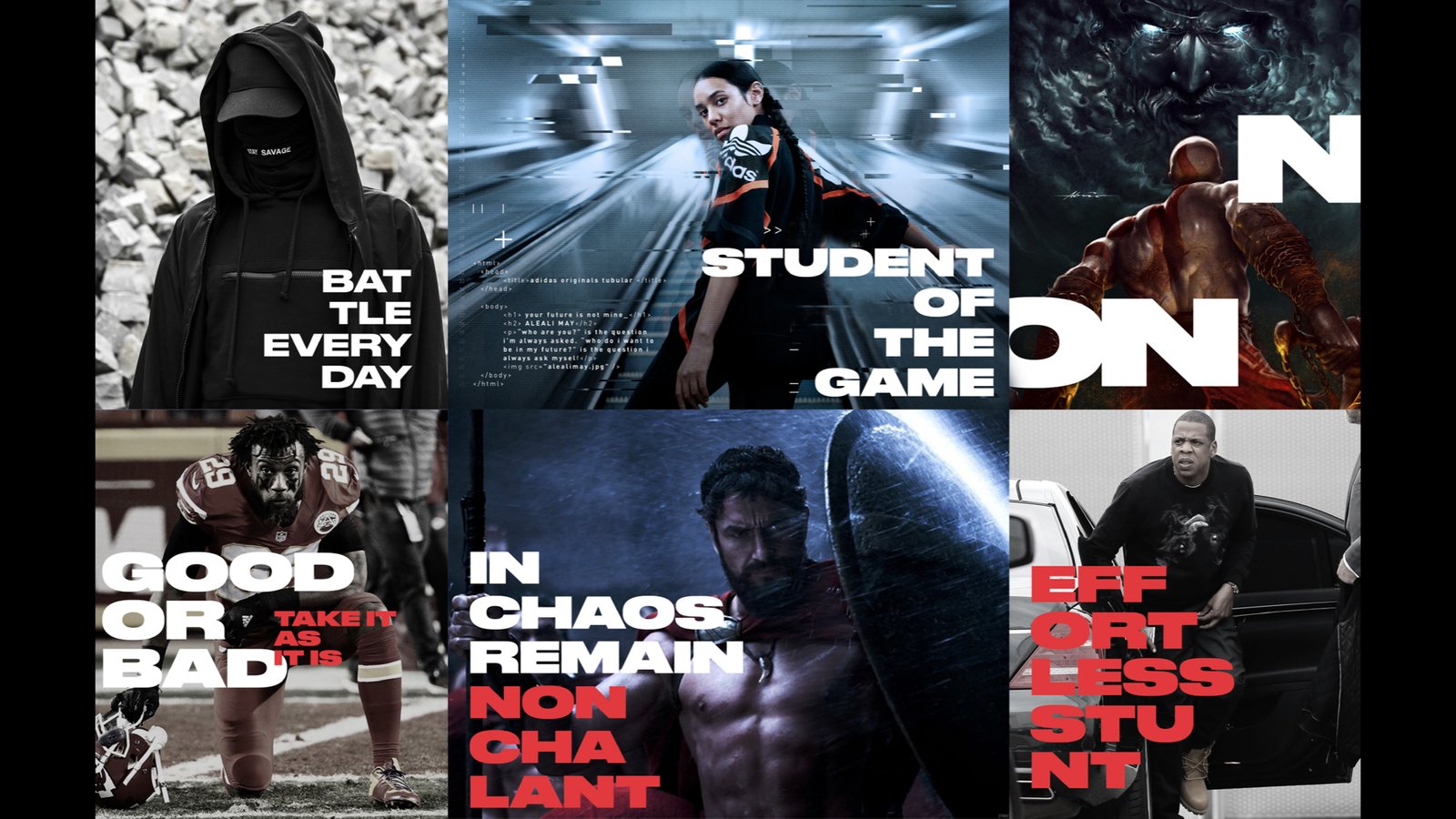
The Brand Idea: Stoic Adaptability
The Nonchalant name carries the brand’s ethos.
To be nonchalant is not to be careless. It is to remain composed. It is to move through changing conditions without becoming defined by them.
Stoicism gave the brand discipline. Adaptability gave it movement.
Together, they created a philosophy for apparel designed to move through varied environments, opposing conditions, and shifting circumstances.
The clothing needed to feel functional, intentional, and composed. The identity needed to be flexible without becoming generic. The messaging needed to carry attitude without becoming loud.
The result was a brand system built on restraint and tension:
Control and chaos
Function and expression
Strength and subtlety
Southern culture and technical design
Discipline and disruption
Stillness and movement
Brand Foundation
Channing & Company developed Nonchalant as a brand for the audacious unsung influencer.
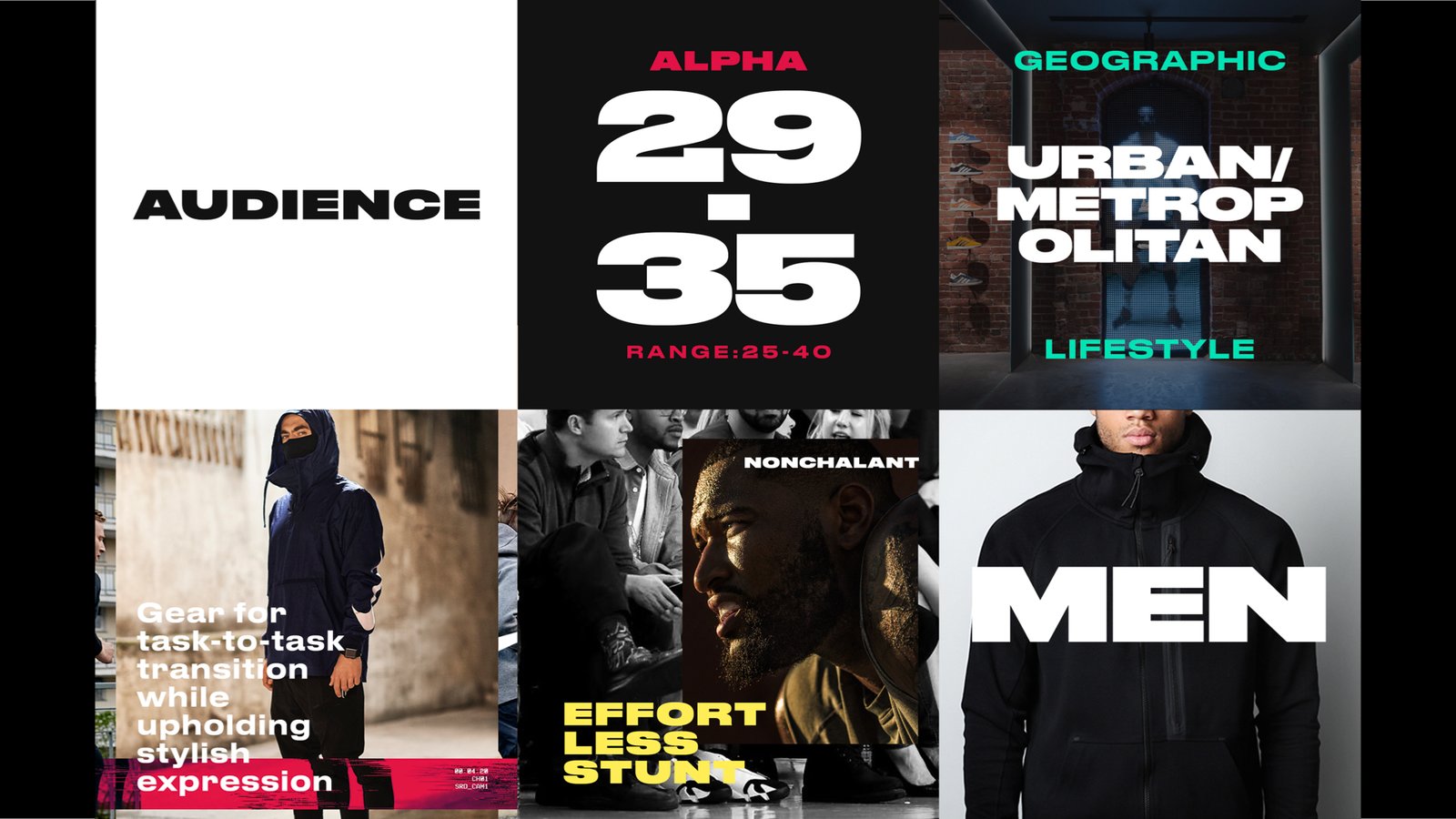
The Nonchalant audience was defined by quiet ambition, cultural intelligence, and movement through multiple environments. This was not a customer looking to be seen at all costs. This was someone who understood presence, restraint, and personal control.
The brand language centered on:
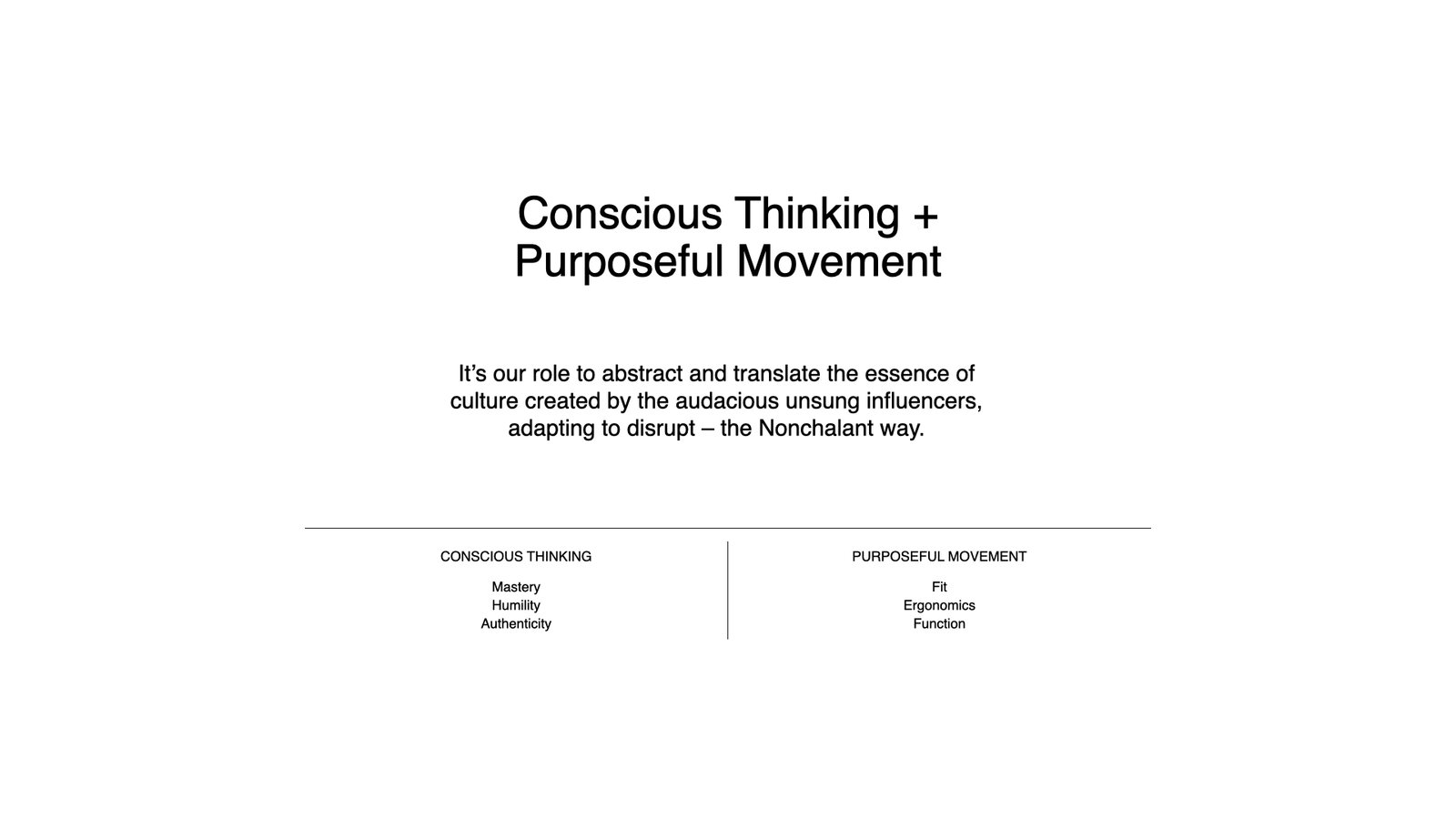
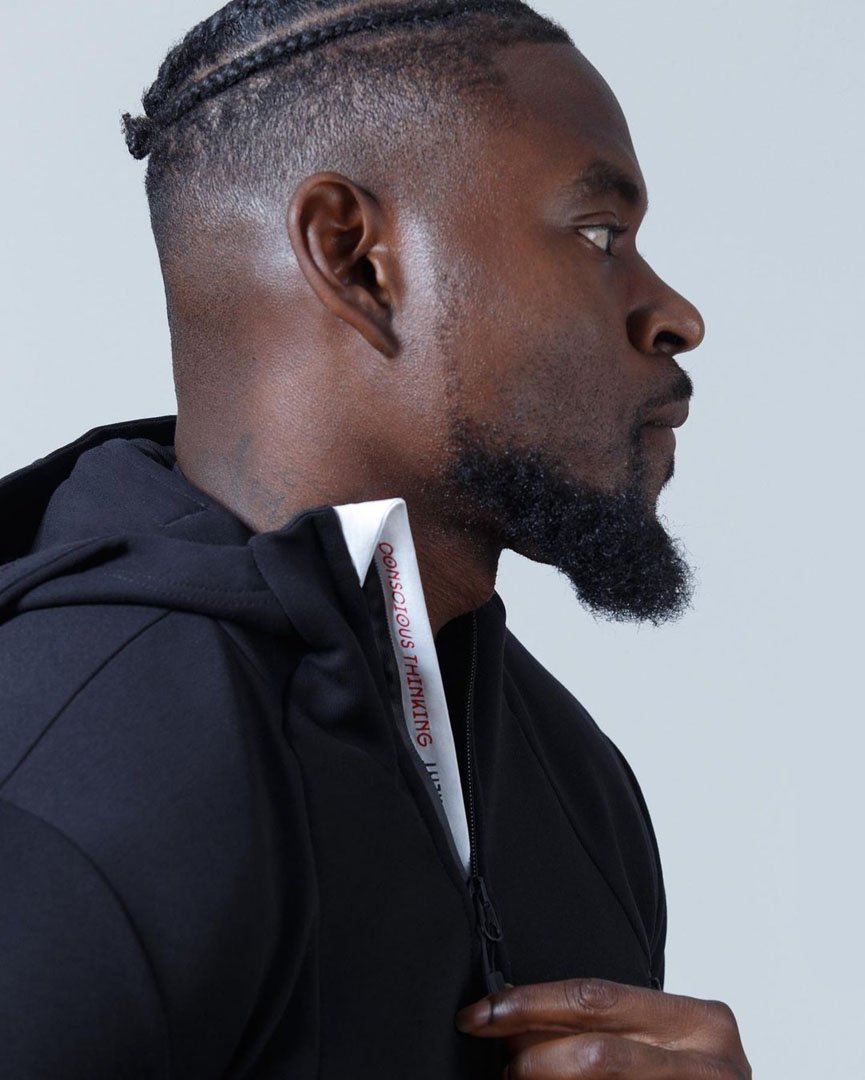
Conscious Thinking + Purposeful Movement
That phrase became a strategic anchor for the brand.
Conscious Thinking spoke to mastery, humility, and authenticity.
Purposeful Movement spoke to fit, ergonomics, and function.
Together, they created the bridge between mindset and garment design.


The Ethos
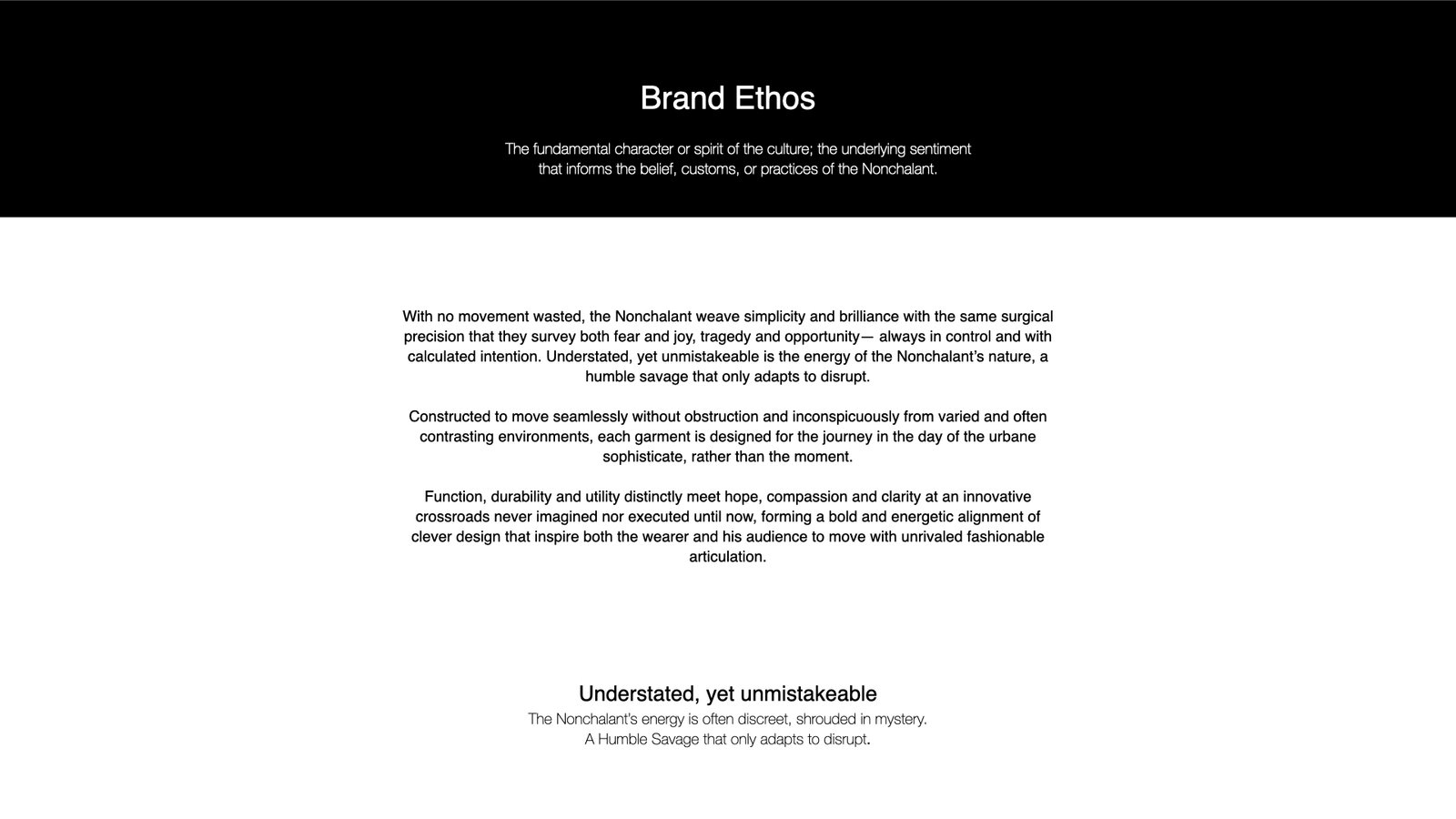
Nonchalant was designed to be understated, yet unmistakable.
The brand’s energy is often discreet. It does not need to overpower the room. It works through control, precision, and intention.
Each garment was considered as part of a broader philosophy: clothing made for the journey of the day rather than the attention of the moment.
The brand ethos connected three layers:
Mindset: composure, discipline, resilience
Movement: adaptability, utility, function
Expression: restraint, contrast, cultural confidence
This gave Nonchalant a clear design position: apparel for people who move with control, even when the environment changes.
Audience and Market Positioning
The Nonchalant customer was positioned within an urban and metropolitan lifestyle.
The target audience was style-conscious, utility-aware, and culturally fluent. The brand lived between streetwear, techwear, lifestyle apparel, and premium casual design.
Channing & Company mapped Nonchalant against adjacent brands in technical apparel, streetwear, and fashion to define its positioning, price architecture, and product opportunity.
The strategy placed Nonchalant in a space that was elevated but accessible, expressive but not overdesigned, functional but not purely utilitarian.
The goal was not to chase trends.
The goal was to create a brand with enough distinction to stand on its own.
Season One: Dirty Duality
The first collection, Dirty Duality, gave Nonchalant its narrative foundation.
The concept explored contrast: polished and raw, Southern and technical, quiet and expressive, restrained and bold.
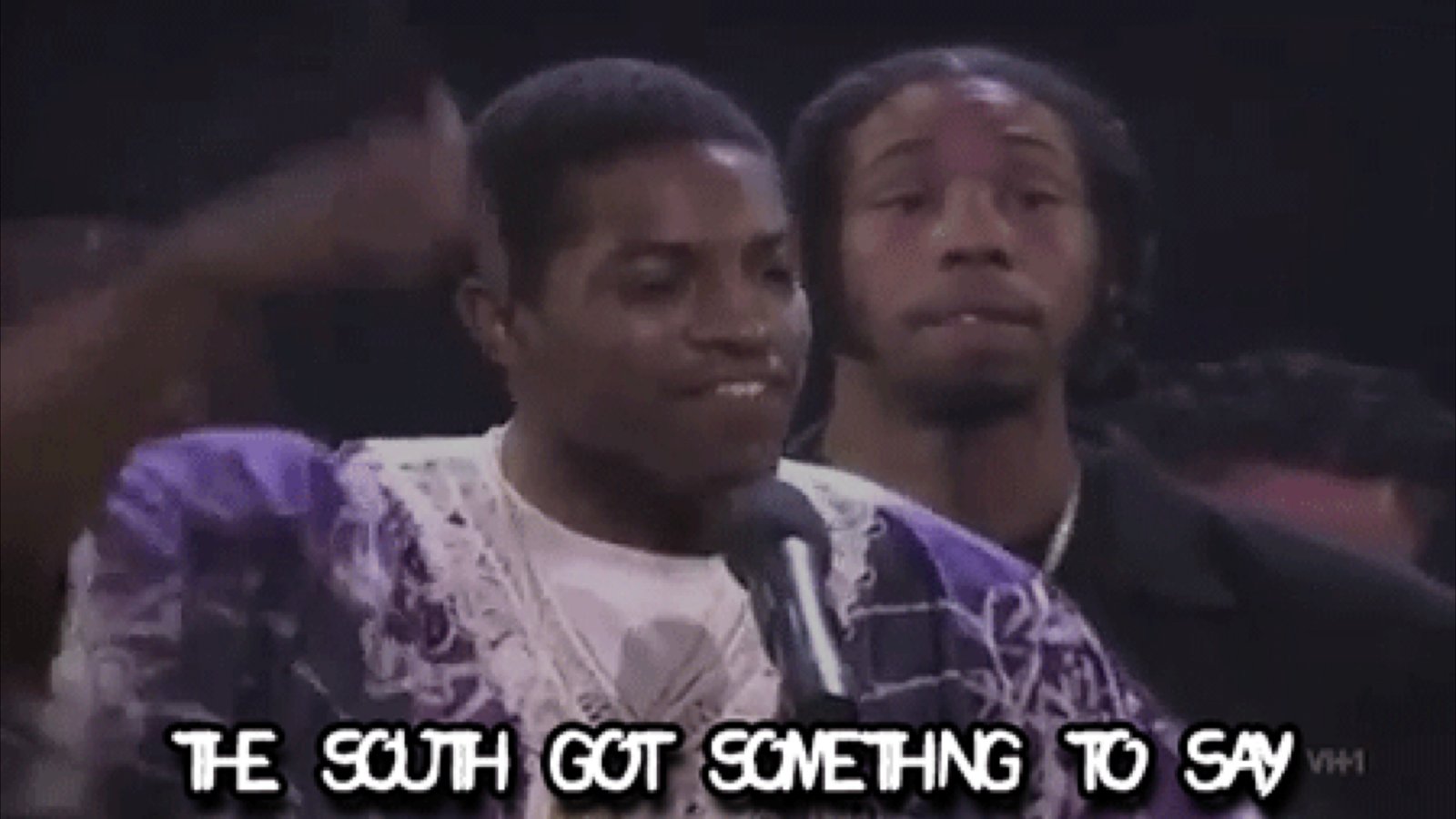
Dirty Duality was inspired by the tension within Southern culture, especially the way Atlanta has turned overlooked influence into global cultural power. The collection drew from the South’s ability to hold contradiction: sophistication and grit, pride and pain, discipline and improvisation, utility and expression.
The story was not about nostalgia. It was about recognition.
Dirty Duality treated the South as a site of style, language, rhythm, resilience, and invention. It created a narrative platform for a collection that could feel both grounded and forward-looking.
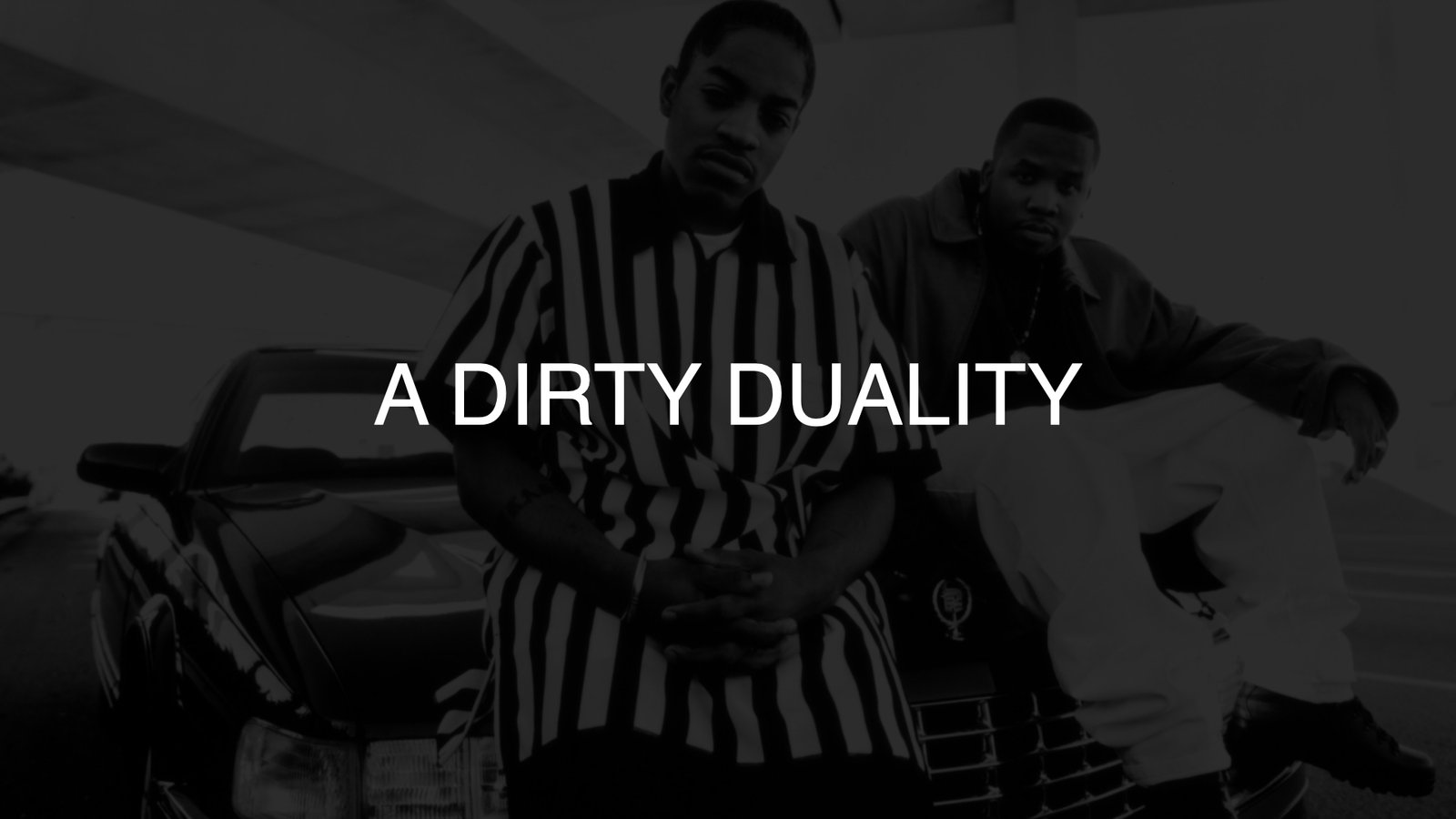
The Collection Narrative
Dirty Duality was built around the idea that what strengthens us and what tests us often arrive through the same medium. That belief connected directly to Berry’s personal story and the larger brand philosophy.
The collection was designed to express strength without excess. It used understated garments, controlled details, technical references, and graphic language to create apparel that felt intentional rather than decorative.
The Nonchalant wearer does not need to overstate the message. The message is in the control.
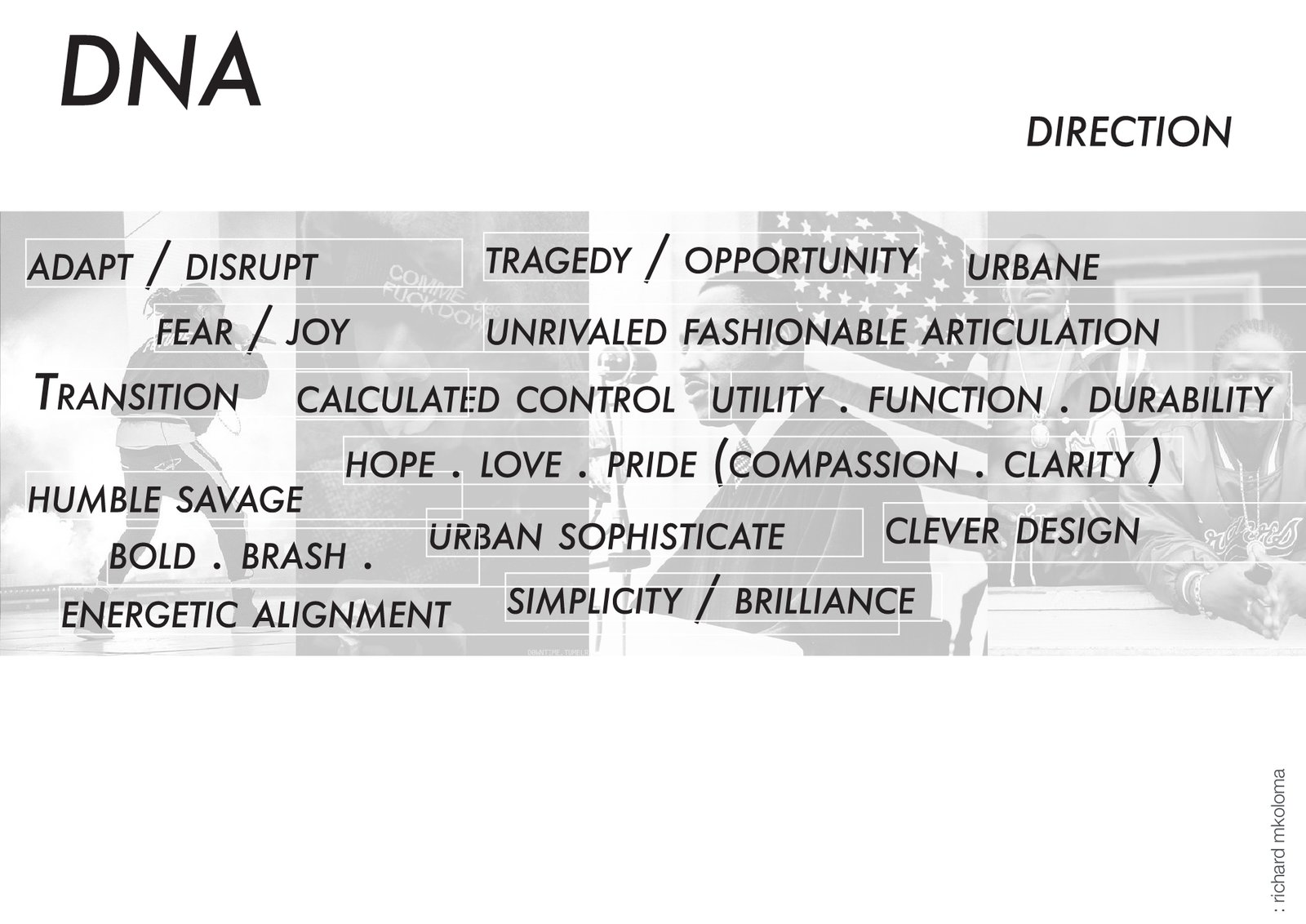
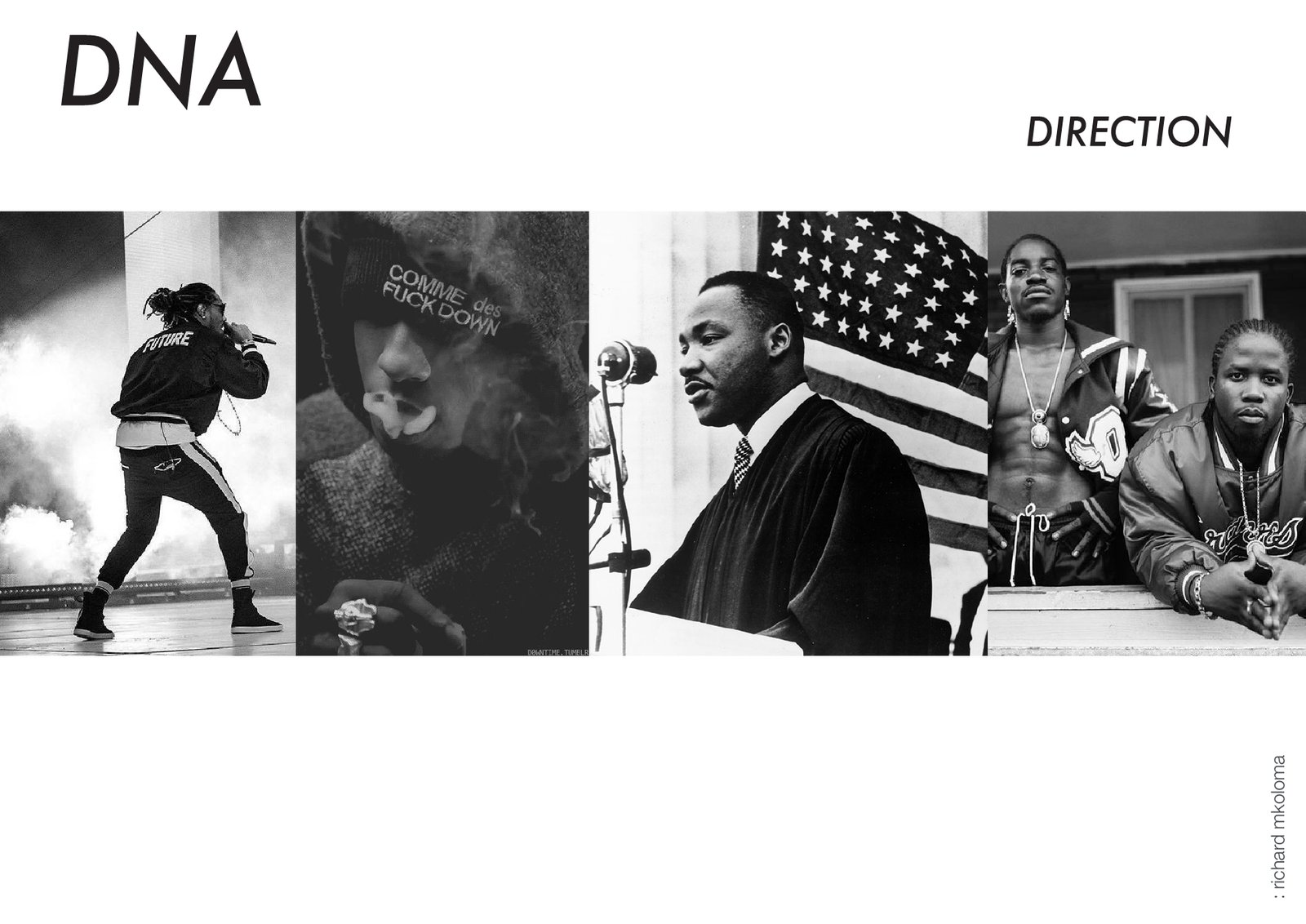
Brand DNA / Strategic Direction
Define the emotional and cultural foundation: adapt, disrupt, tragedy/opportunity, utility, durability, pride, clarity, humble savage.
Apparel Design Approach
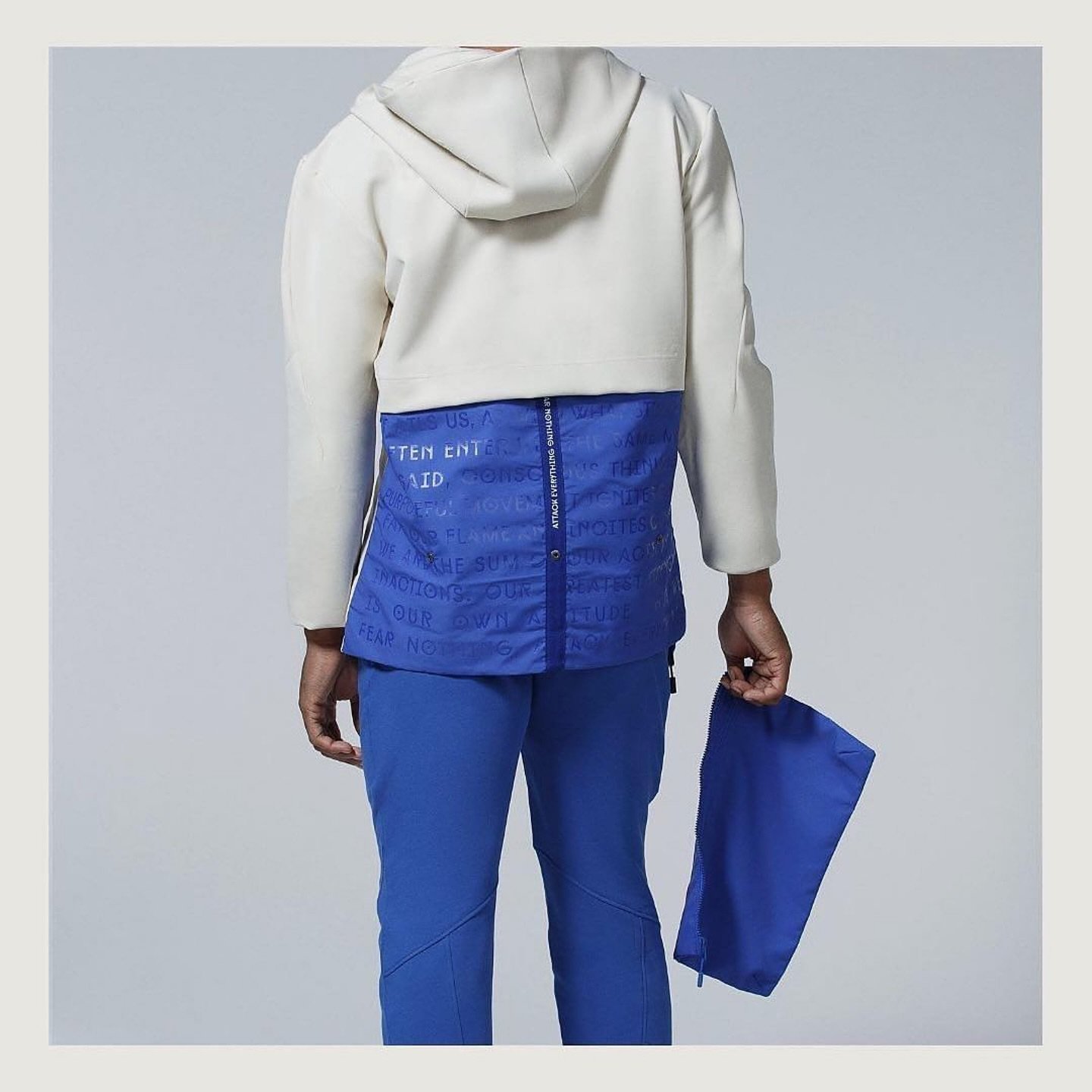
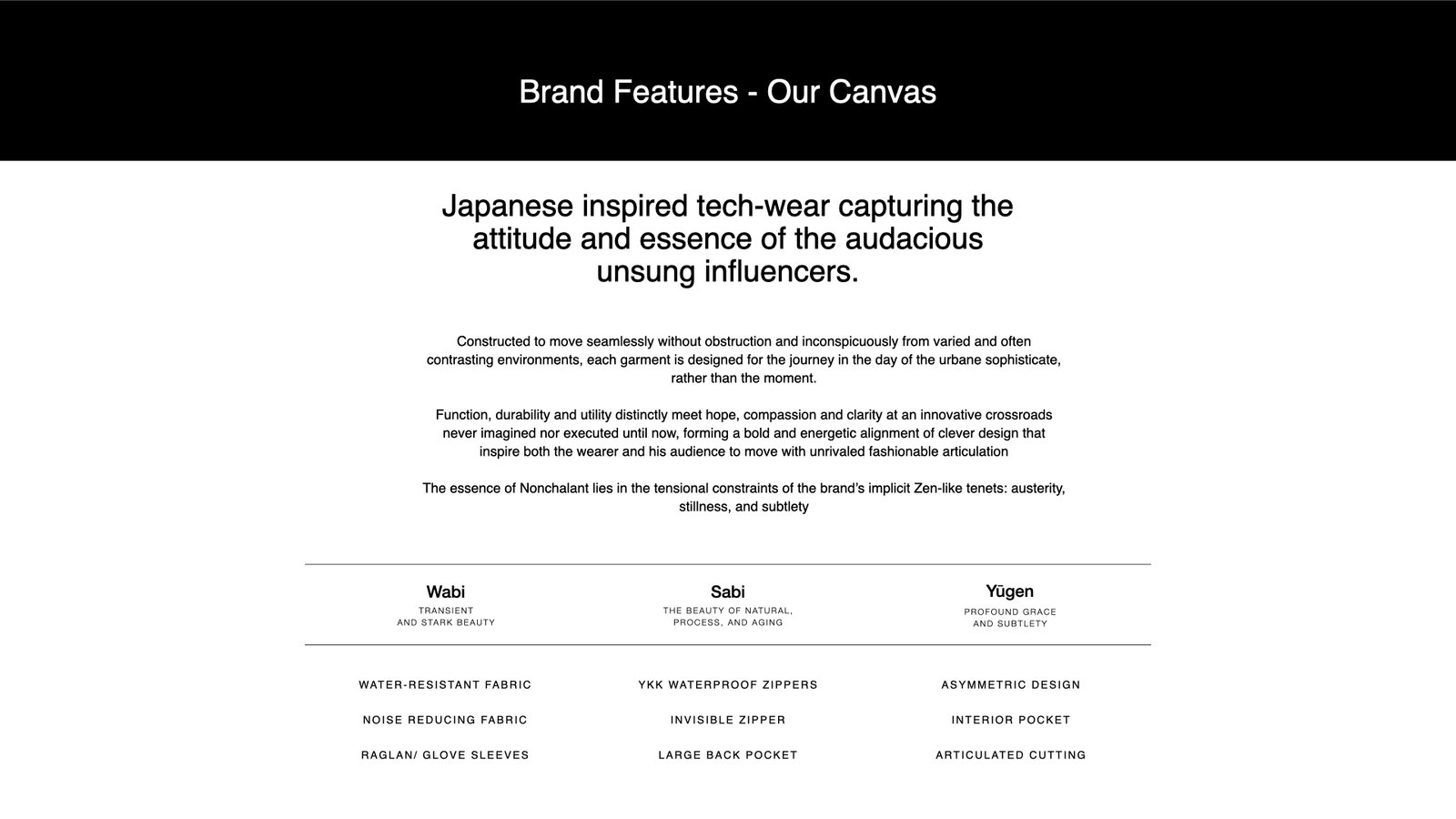
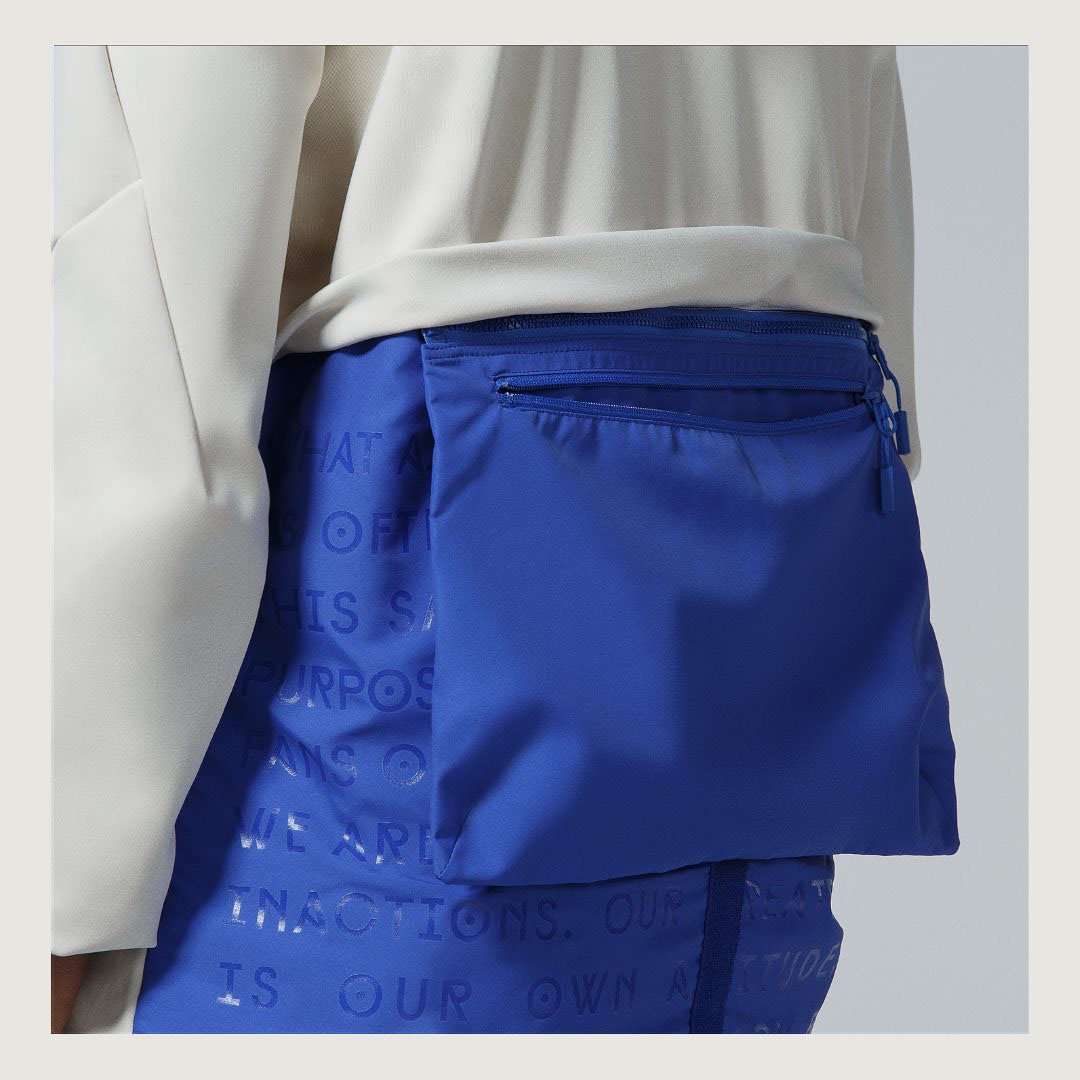
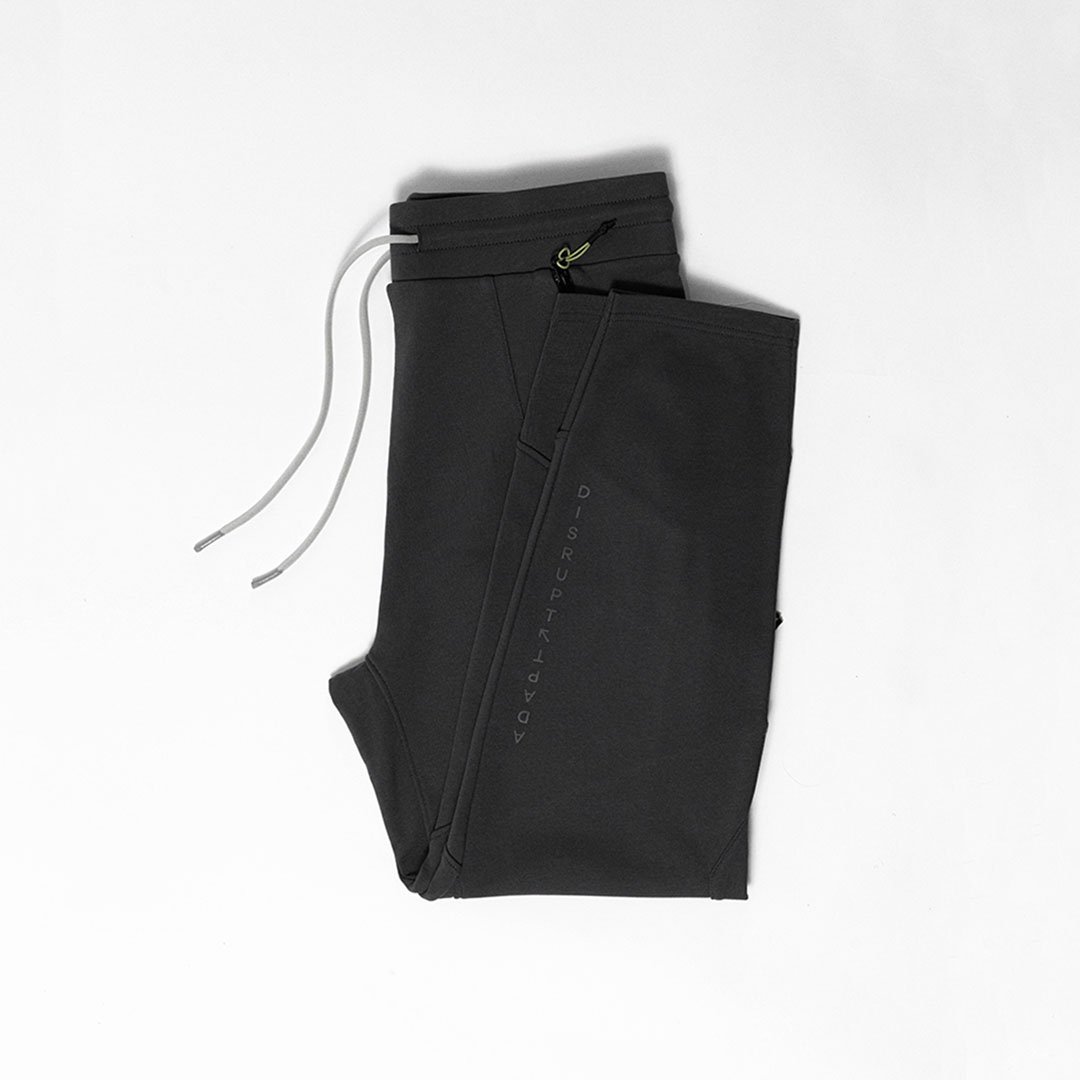
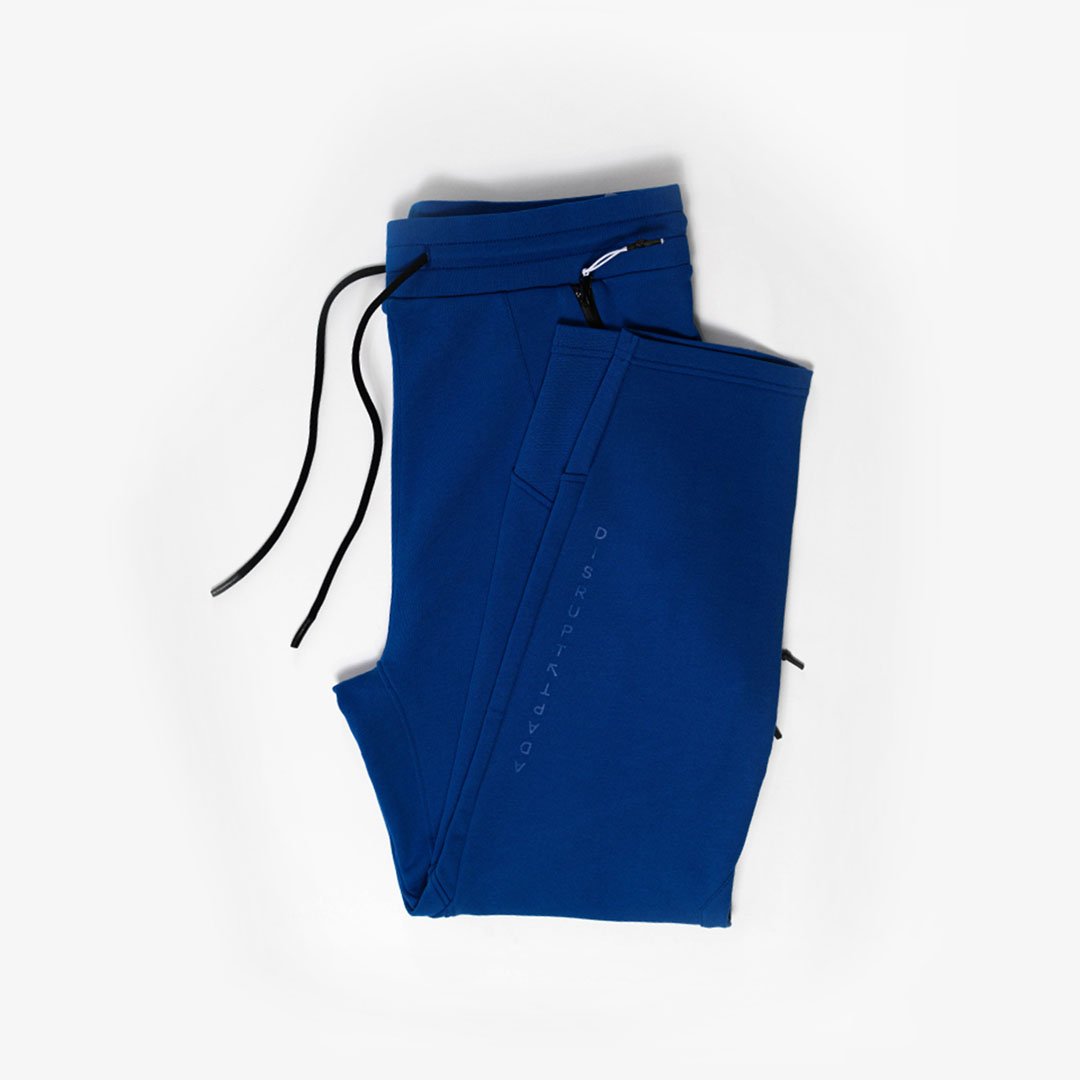
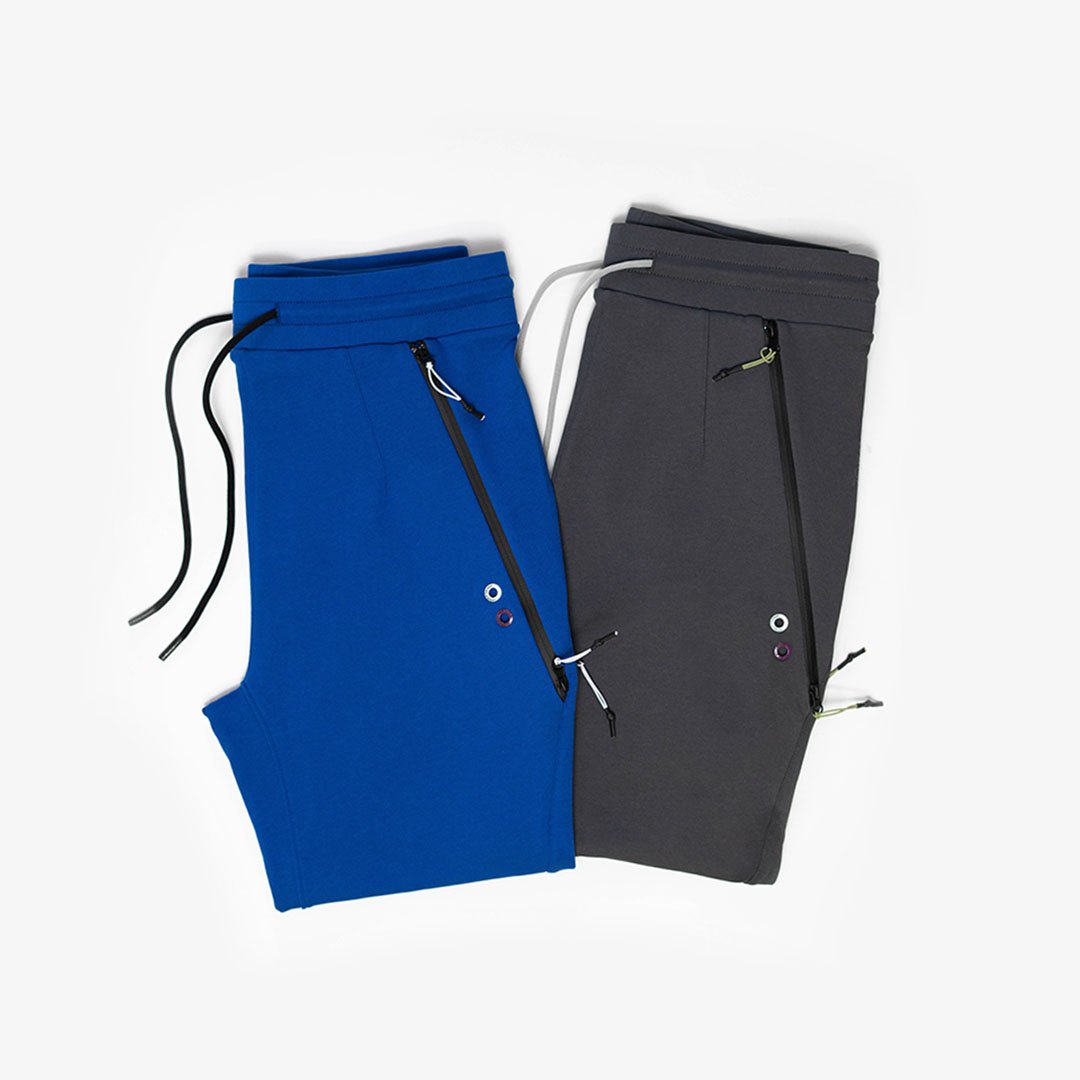
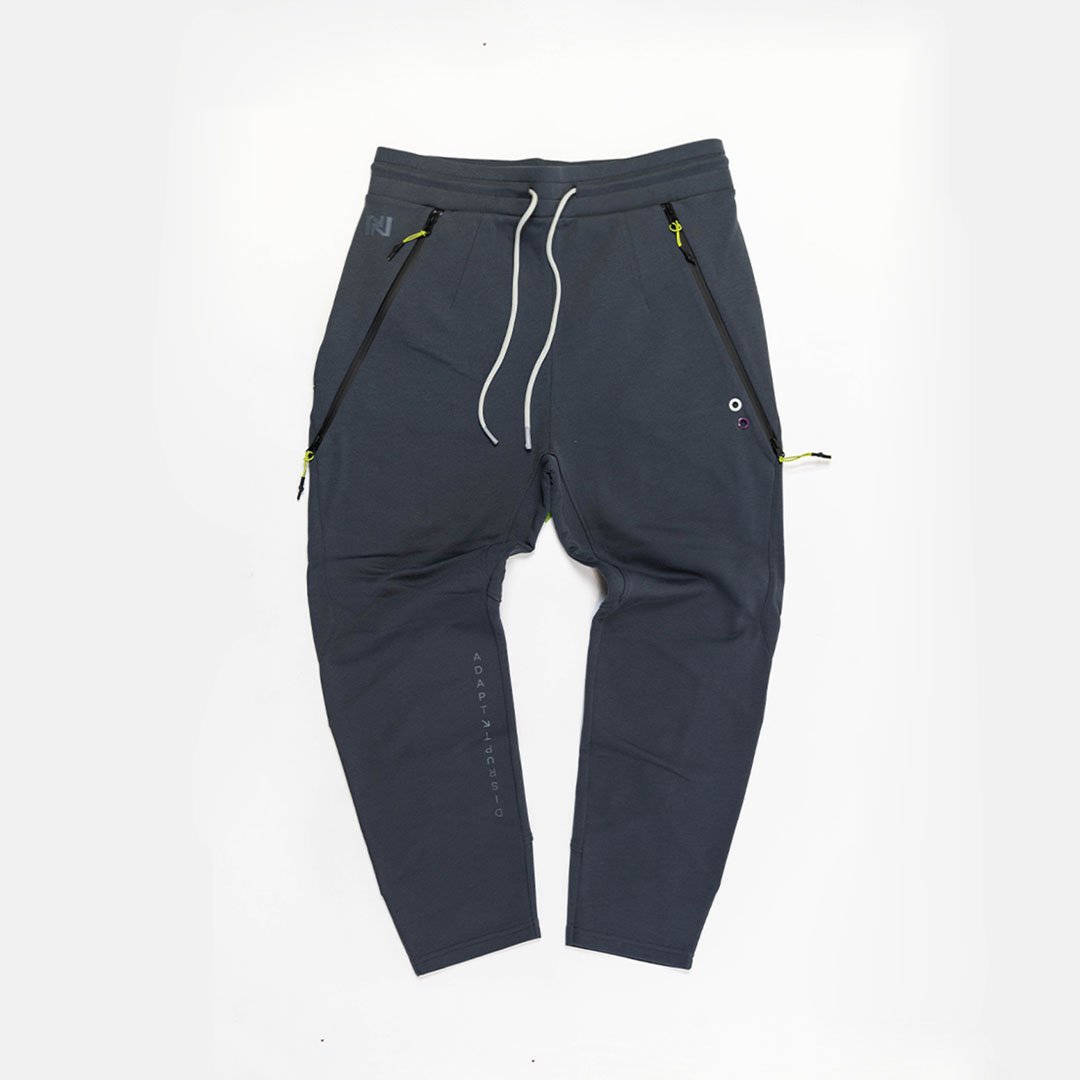
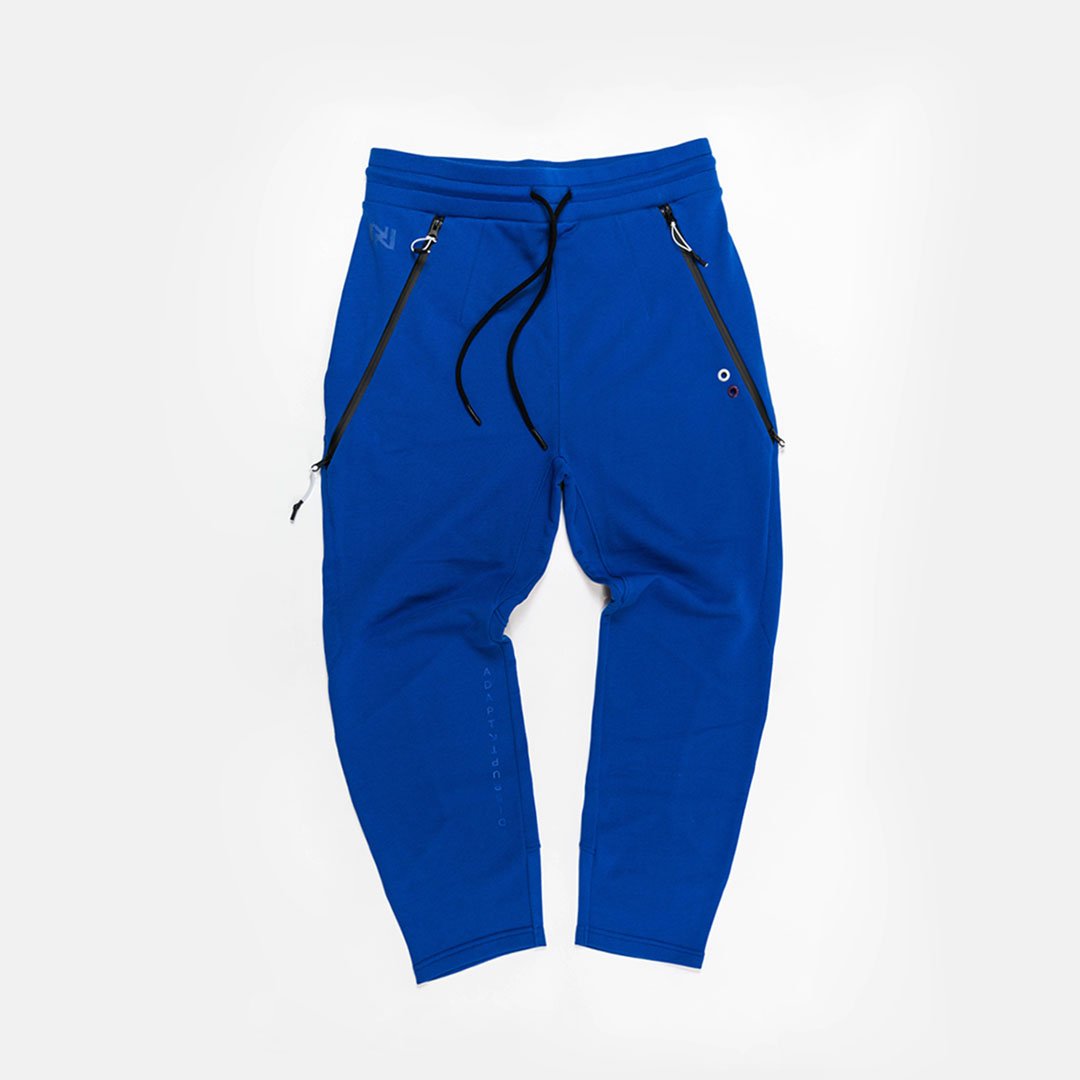
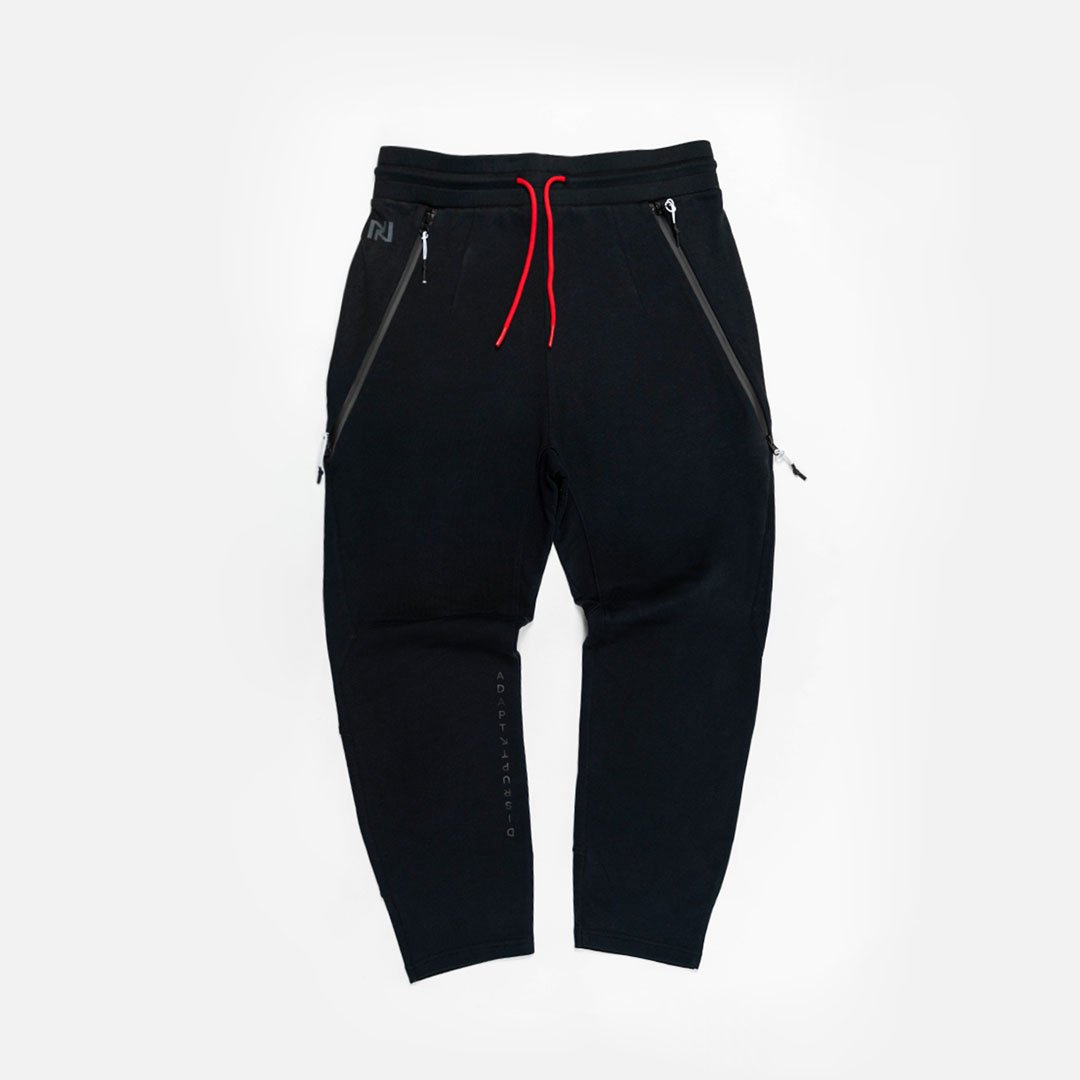
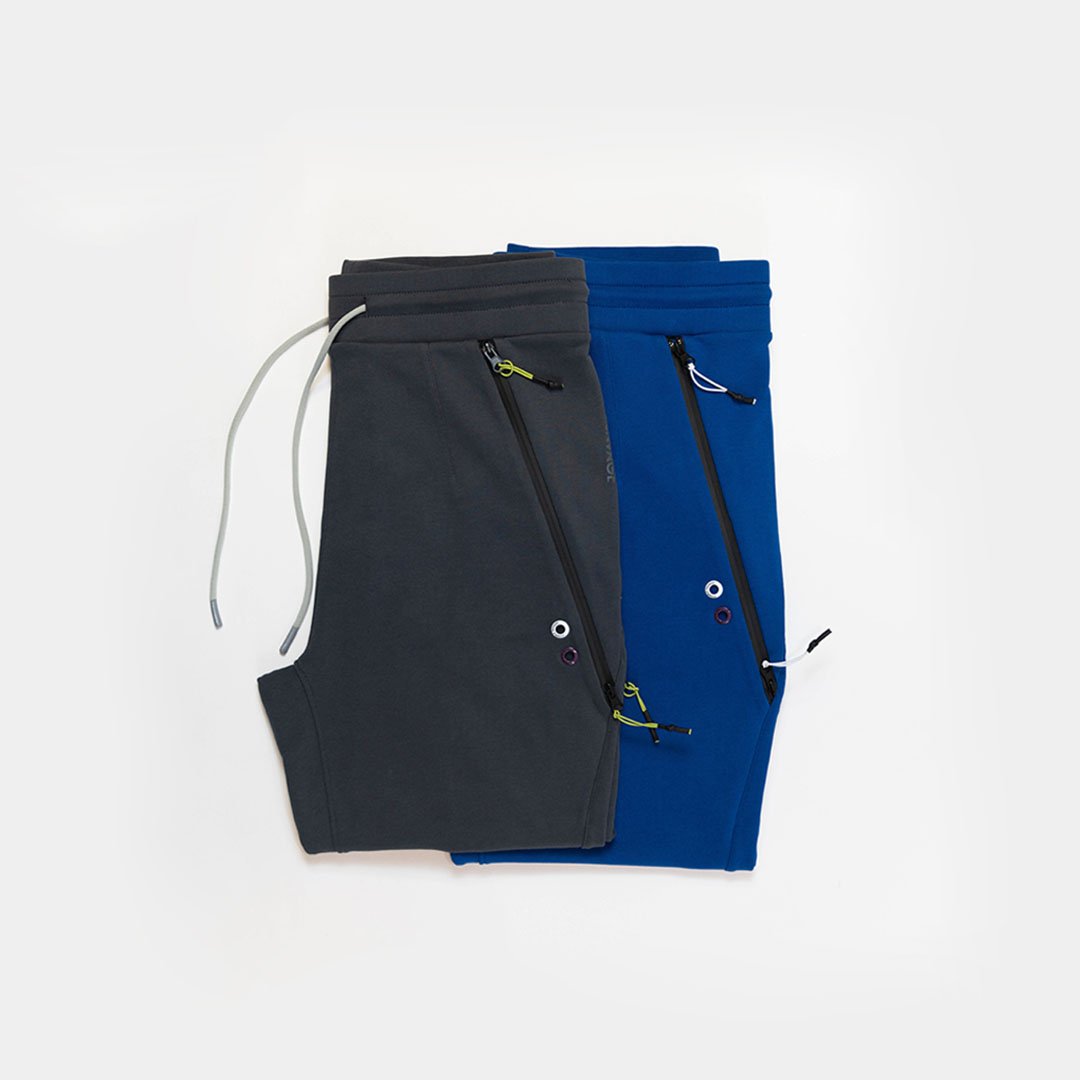
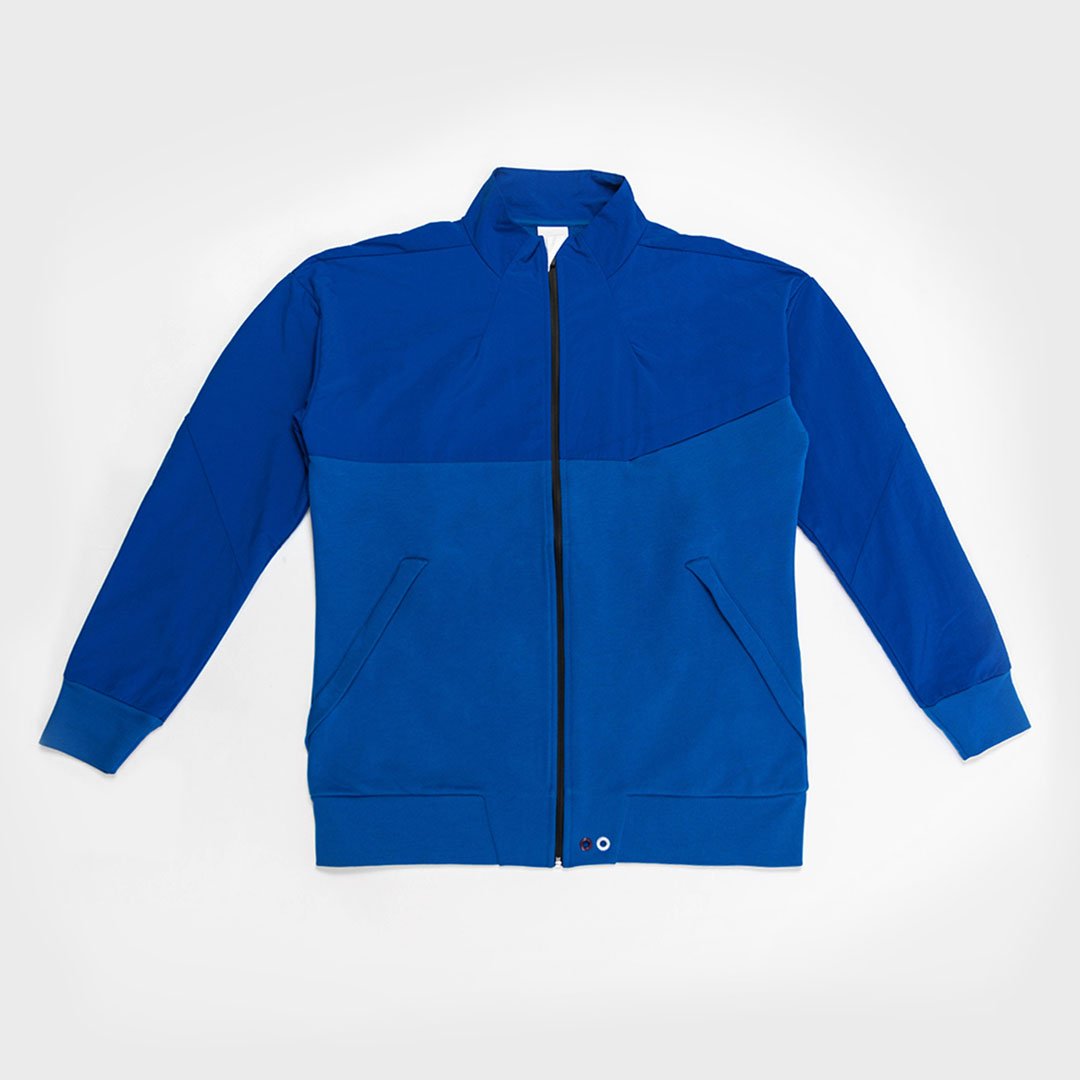
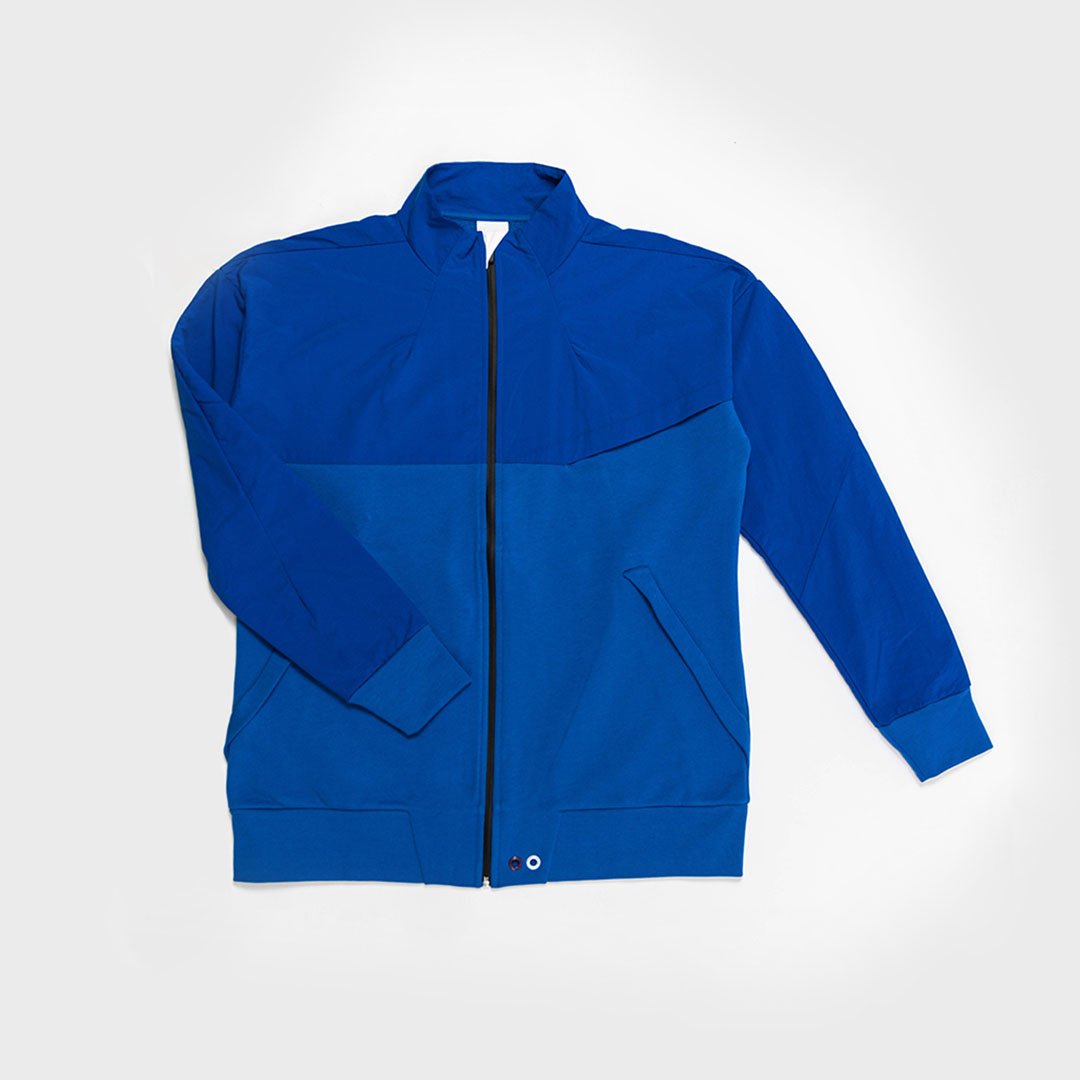
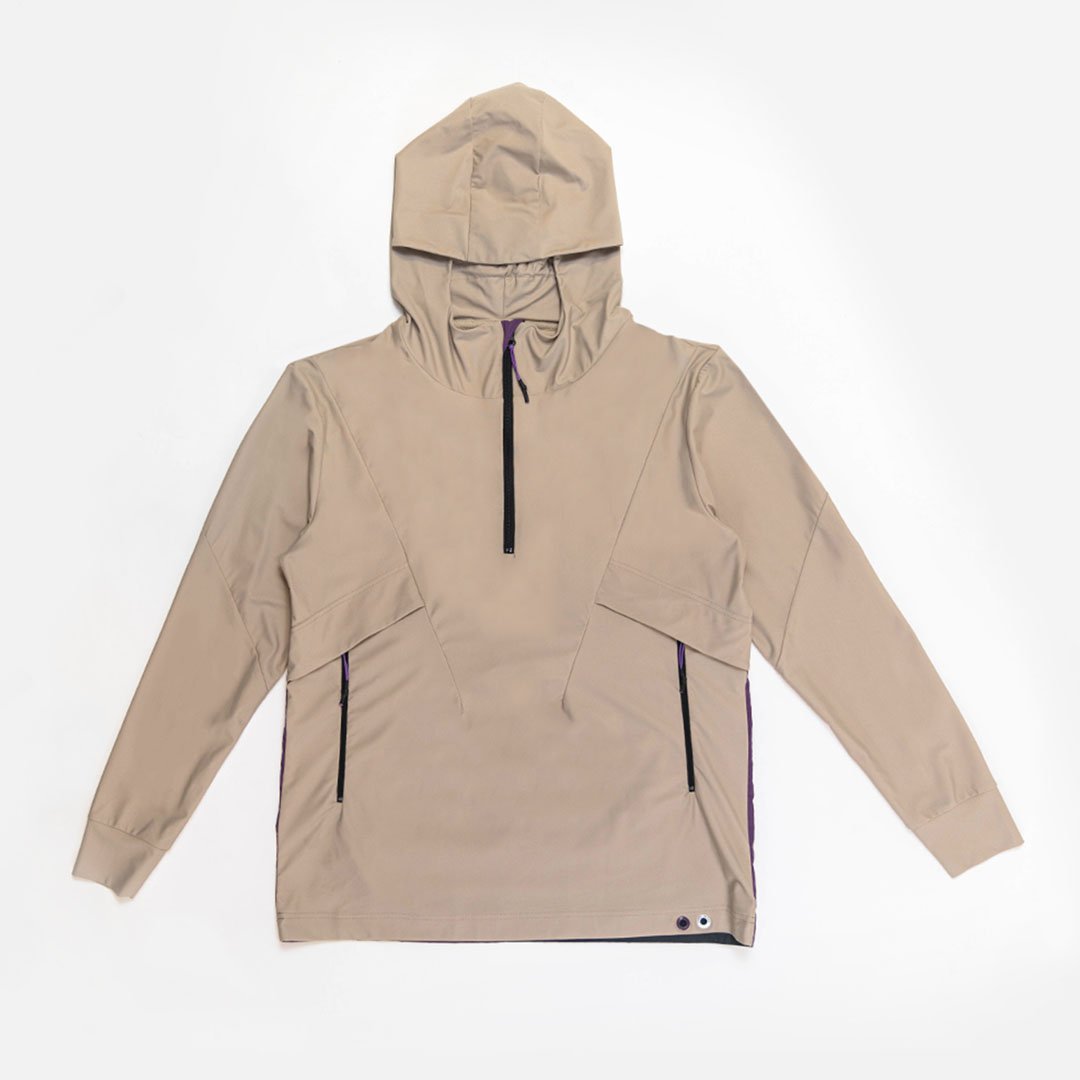
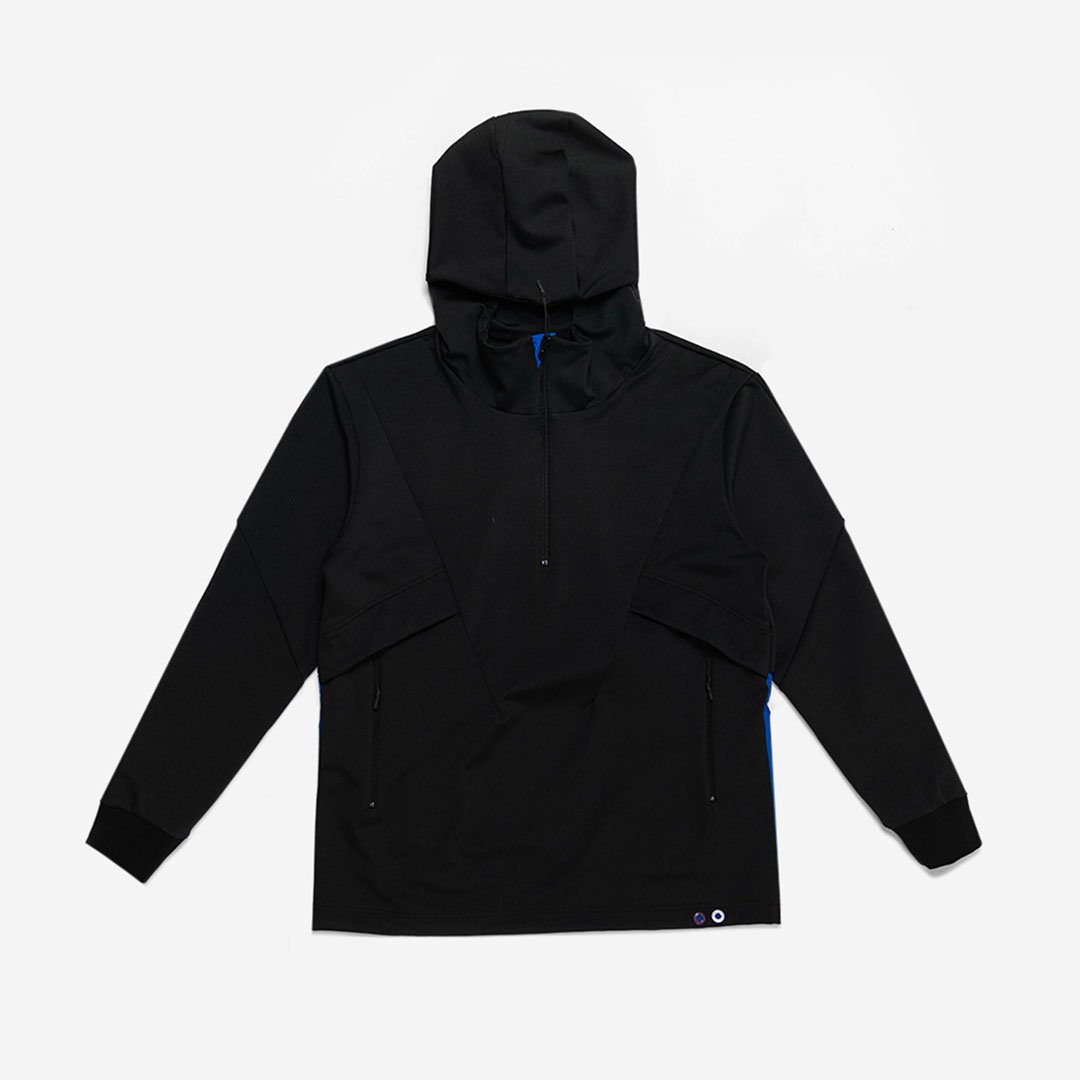
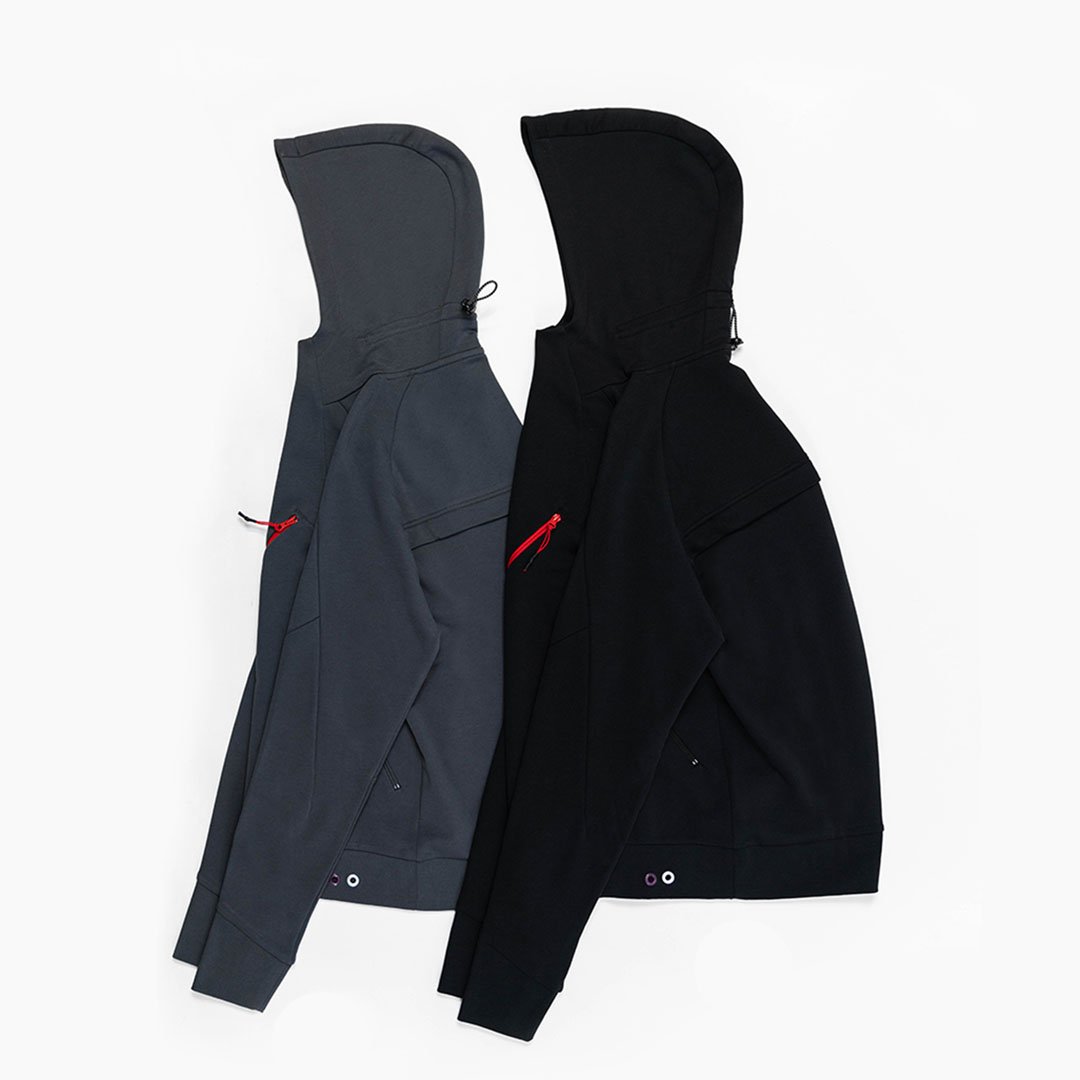
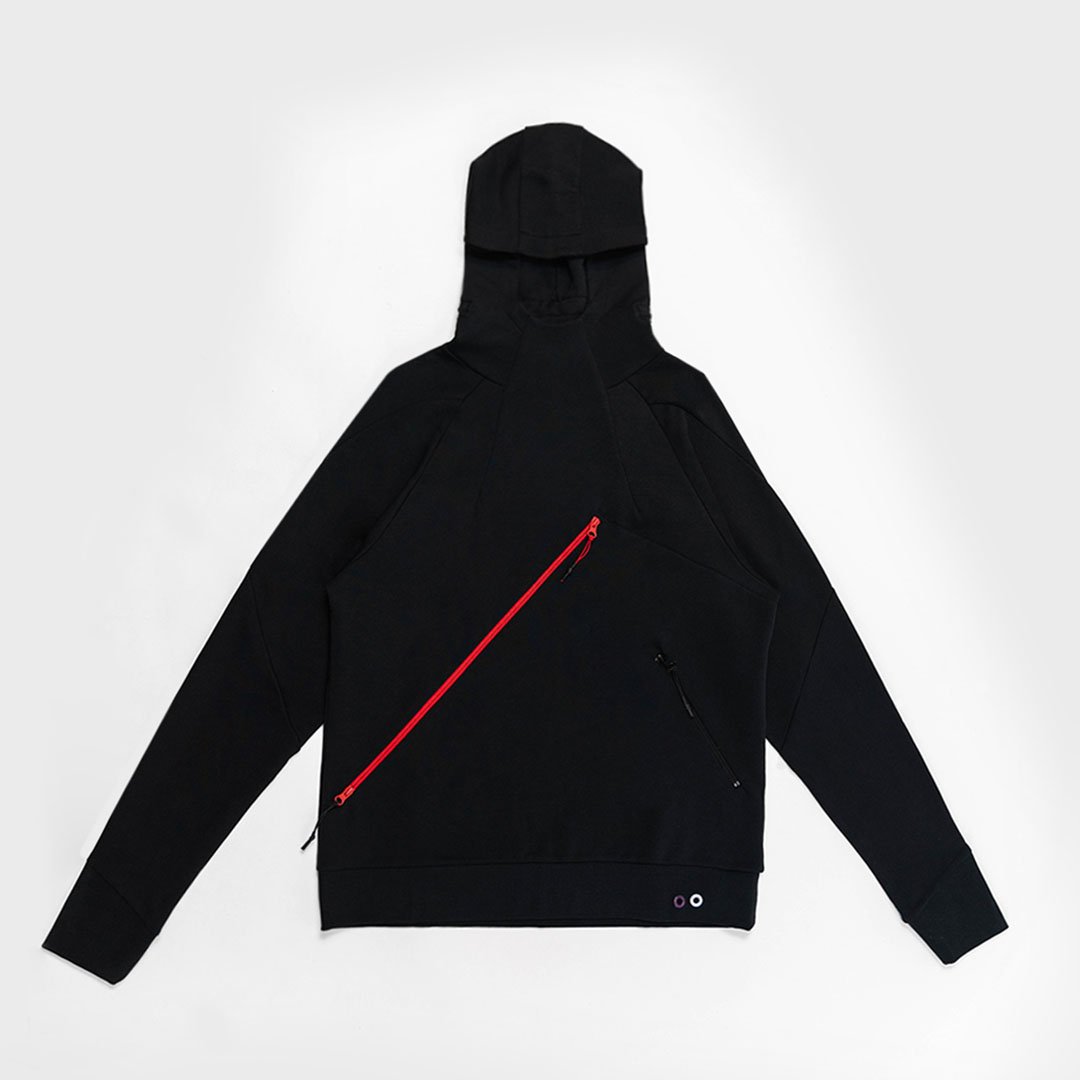
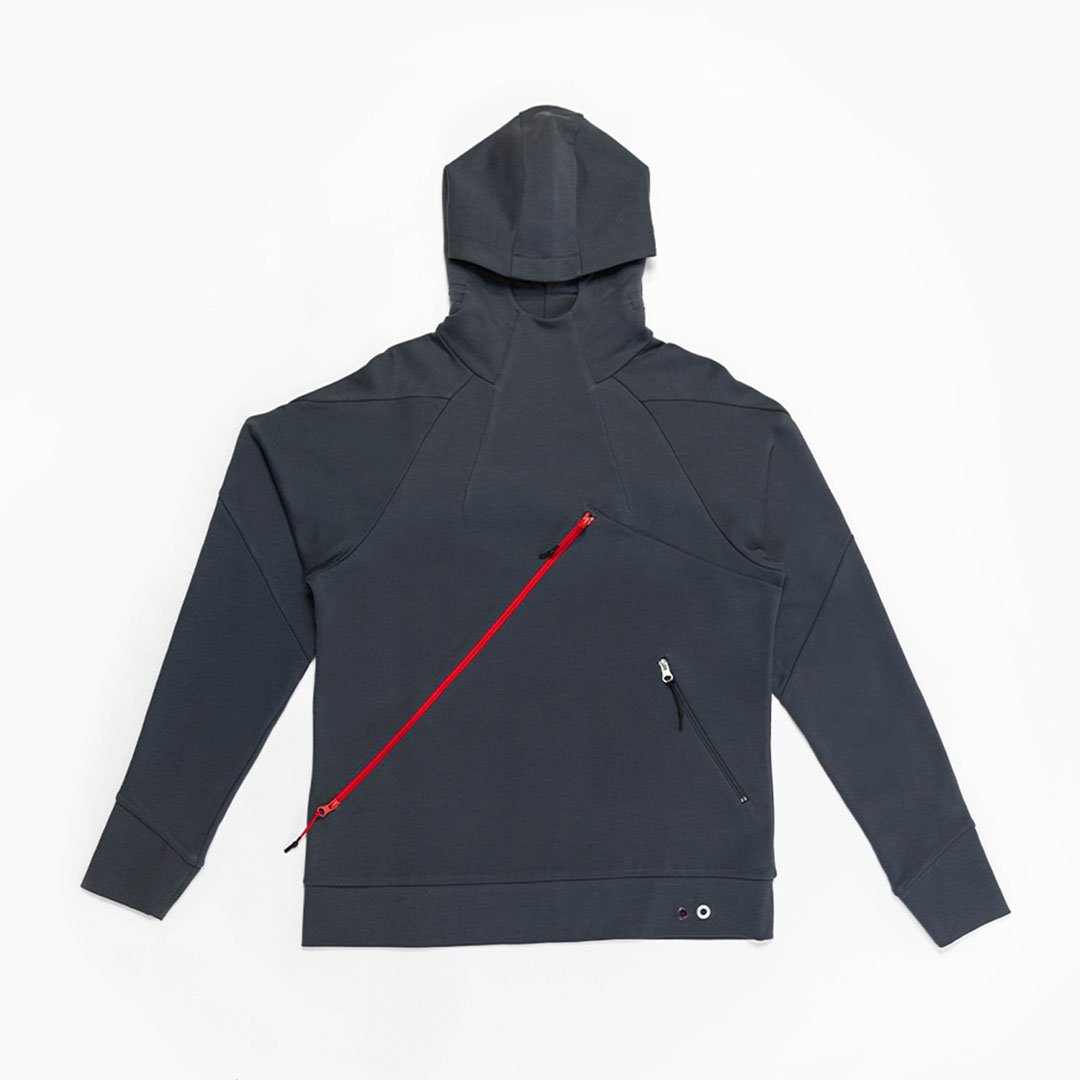
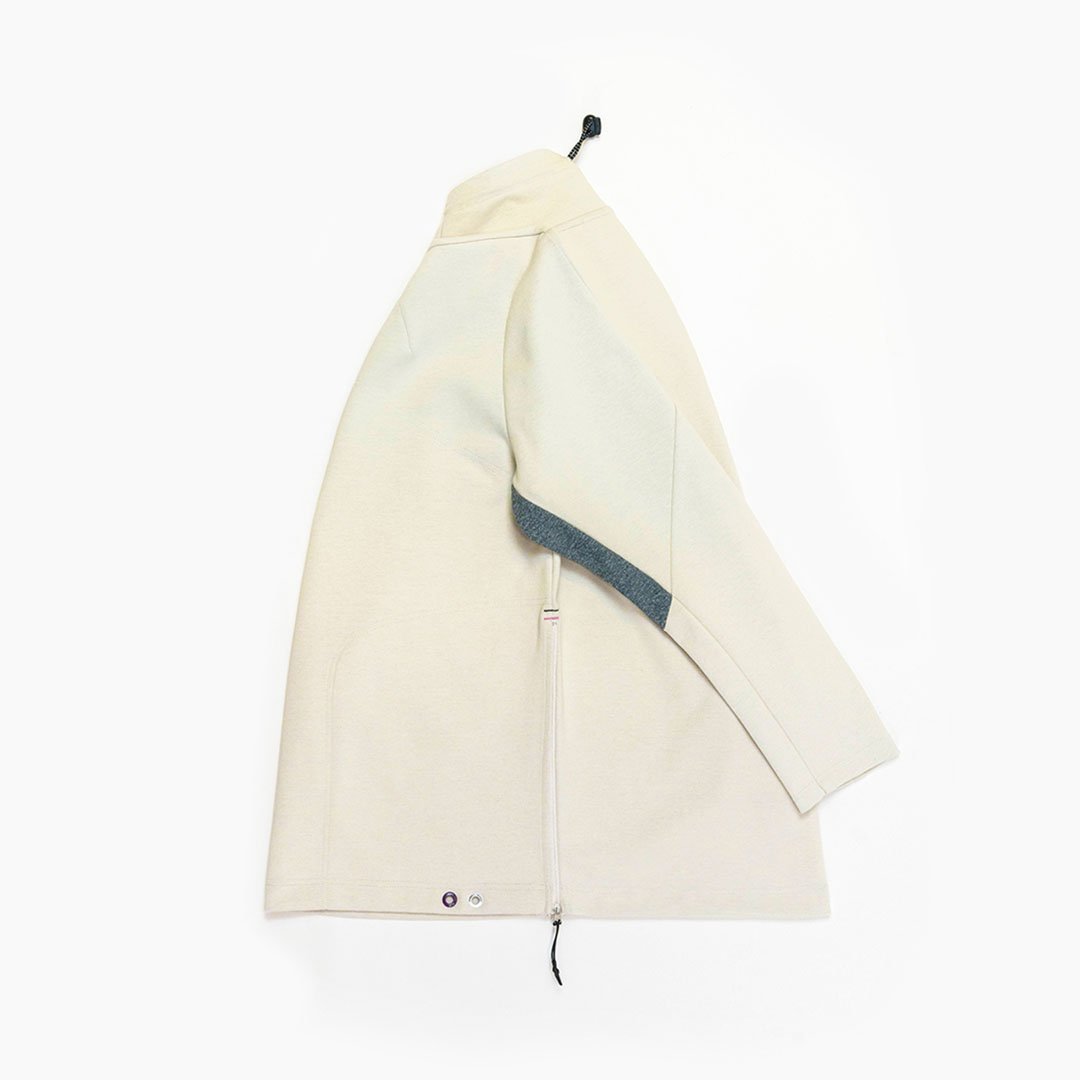
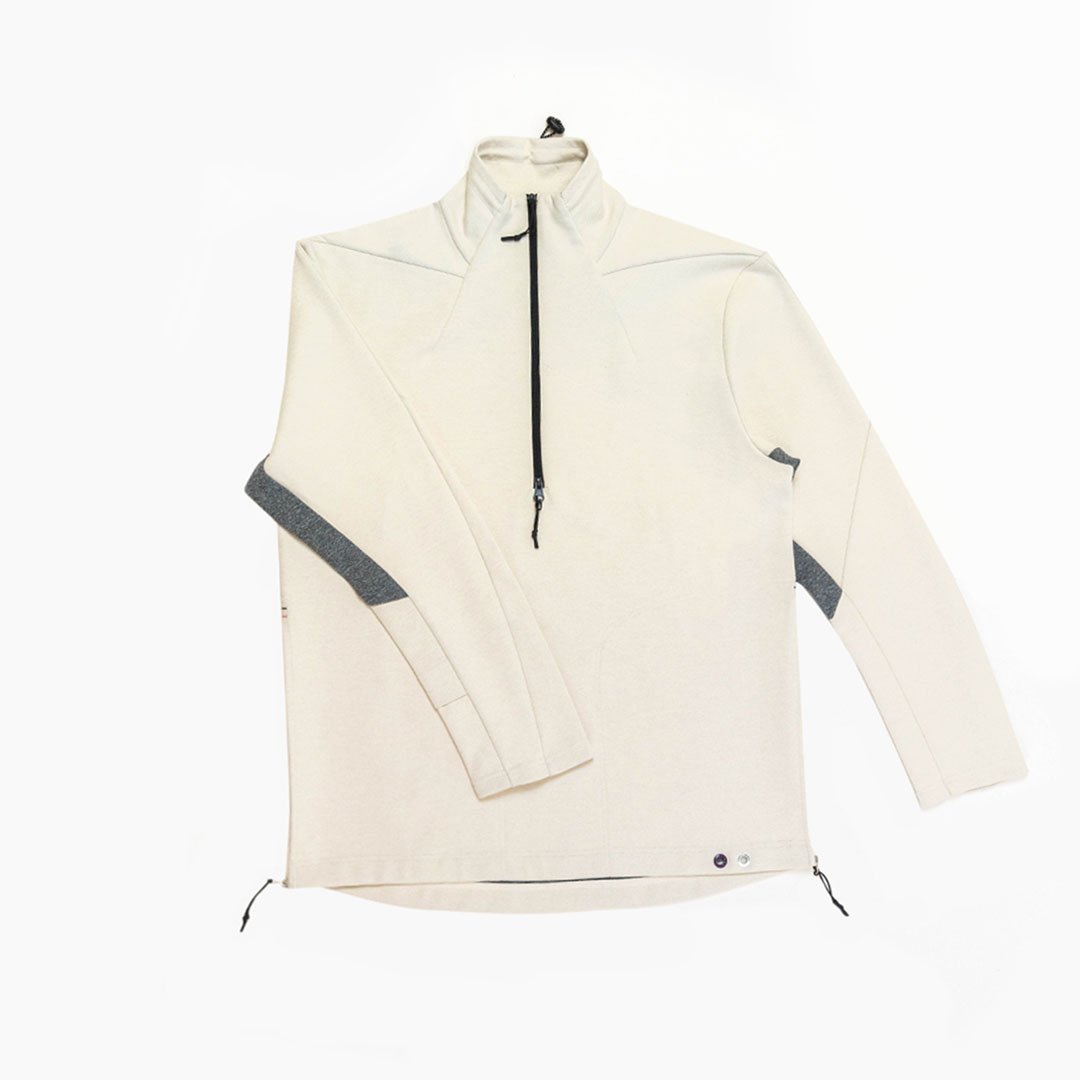
At the heart of Nonchalant is functionality. The apparel design strategy translated Nonchalant’s philosophy into product.
The apparel design system was developed to support movement across different environments, from daily wear to more demanding urban conditions. Each garment was approached through the lens of adaptability, utility, and silhouette.
Channing & Company approached the garments as functional expressions of the brand’s mindset. Every design decision had to support movement, adaptability, and restraint.
The product direction explored techwear through a streetwear lens, with an emphasis on utility, silhouette, detail, and controlled expression.
Season One, Dirty Duality, explored contrast through material choices, garment structure, and the relationship between clean design and rugged use.
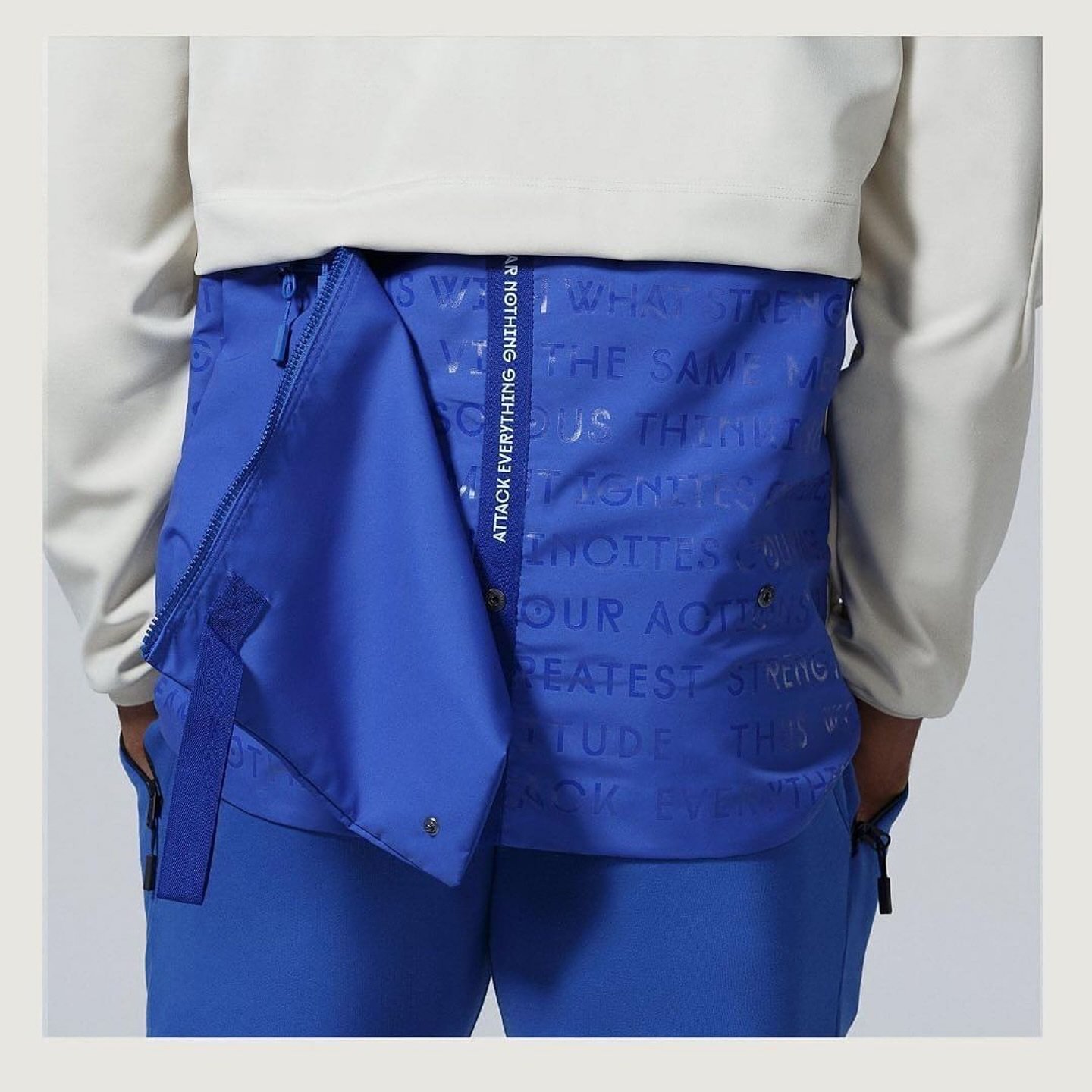
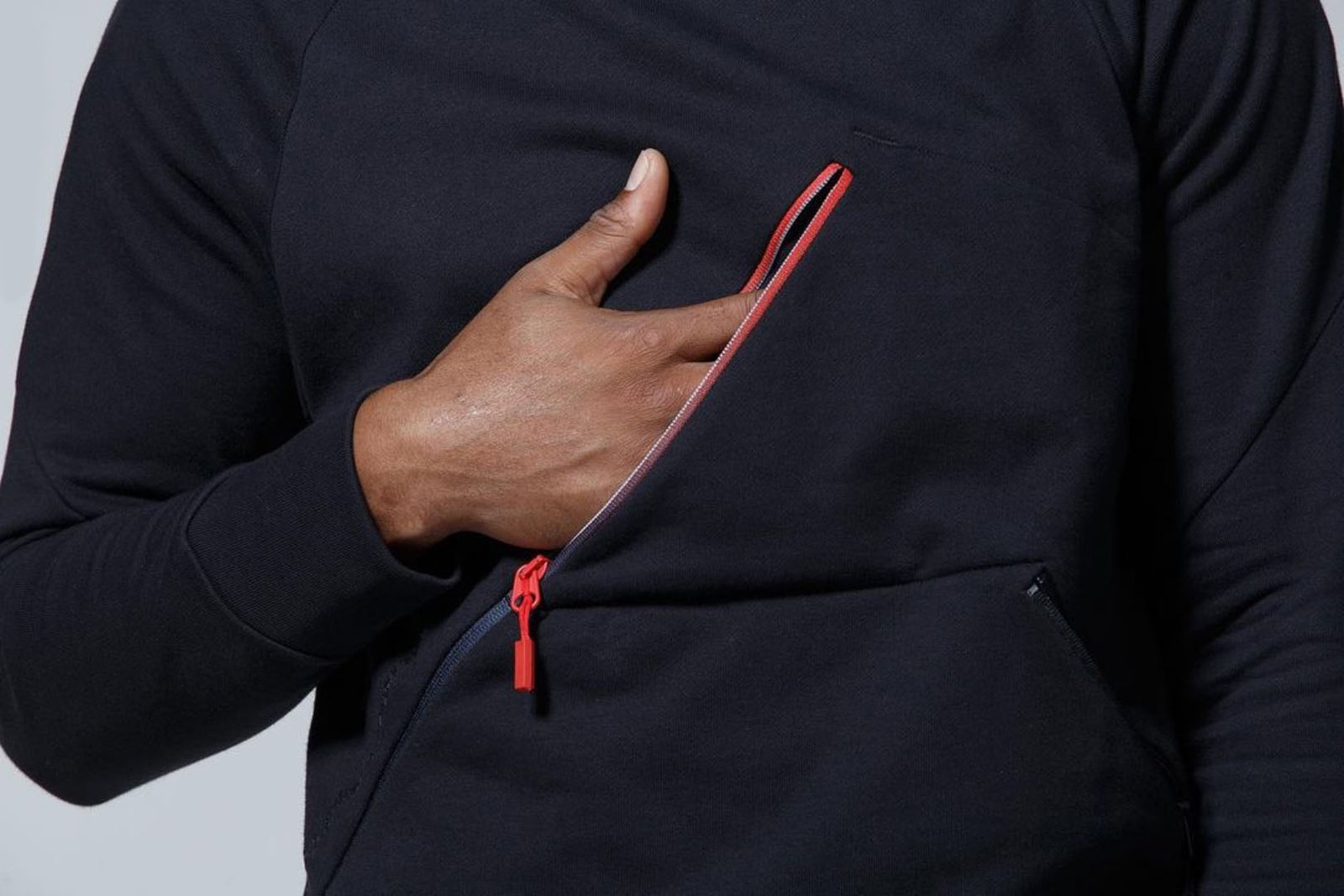
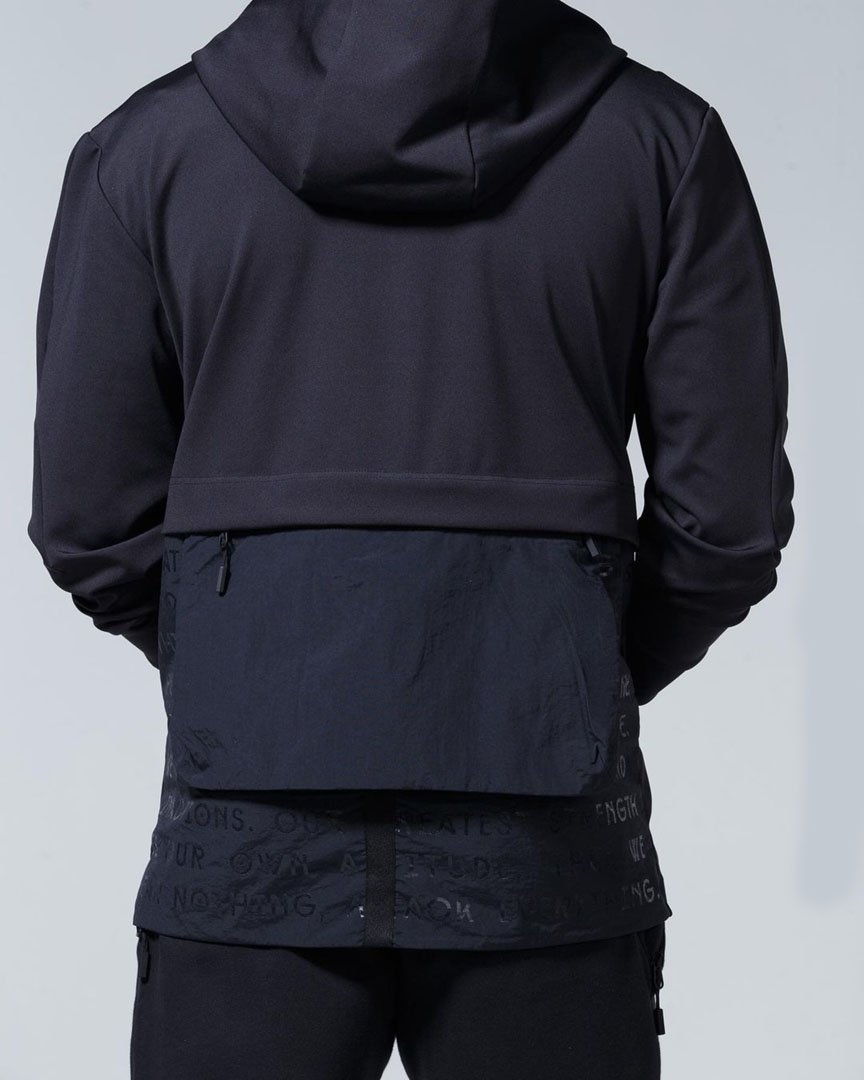
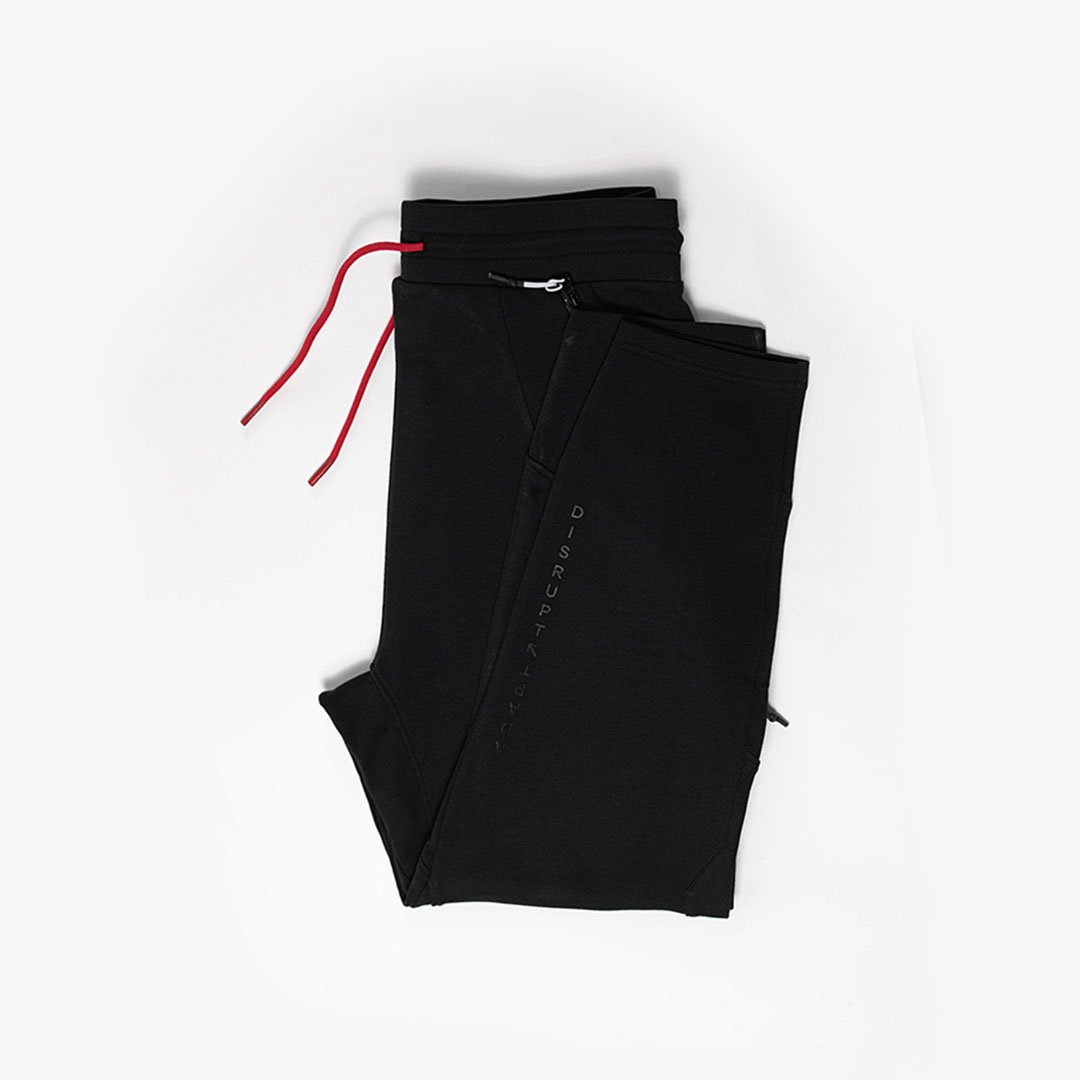
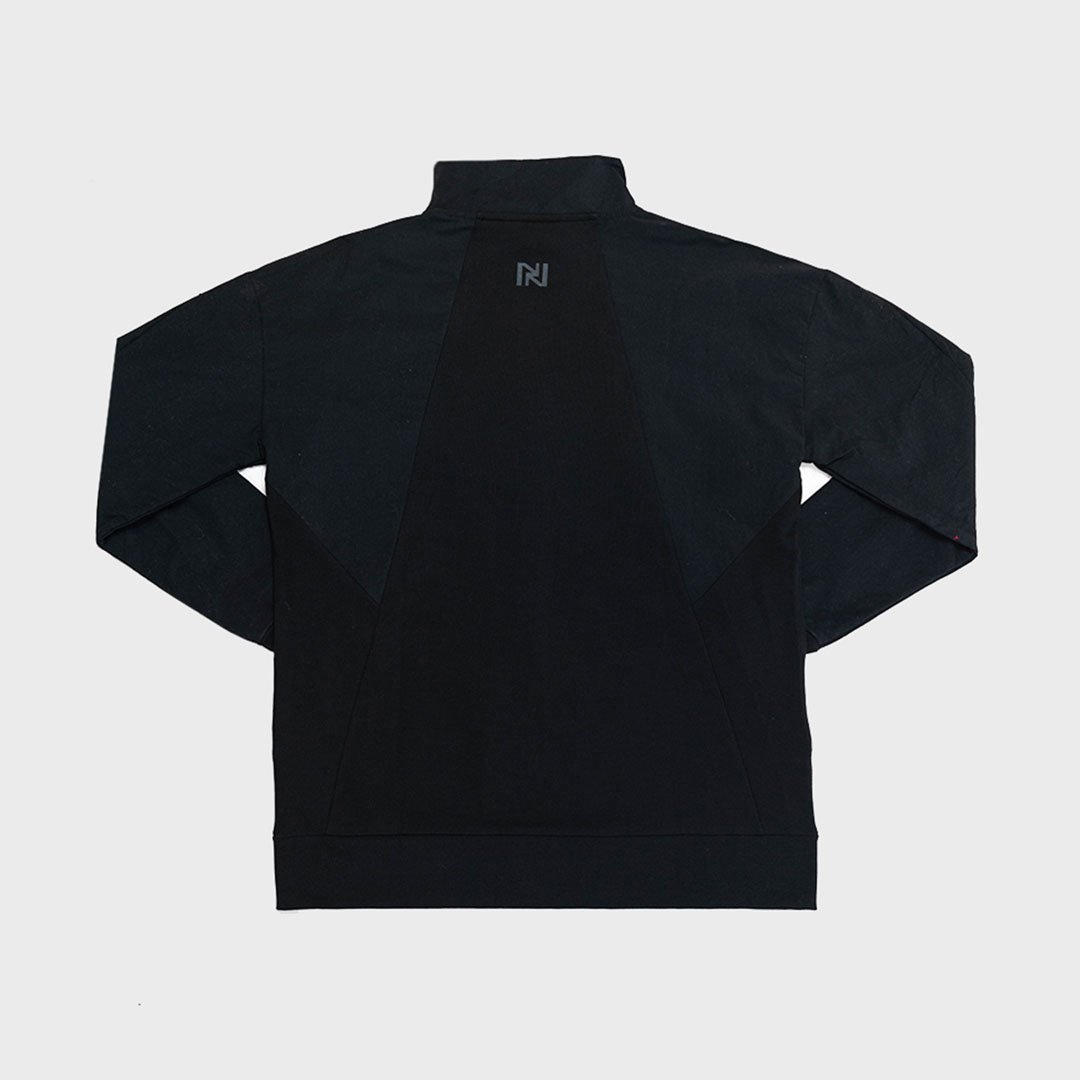
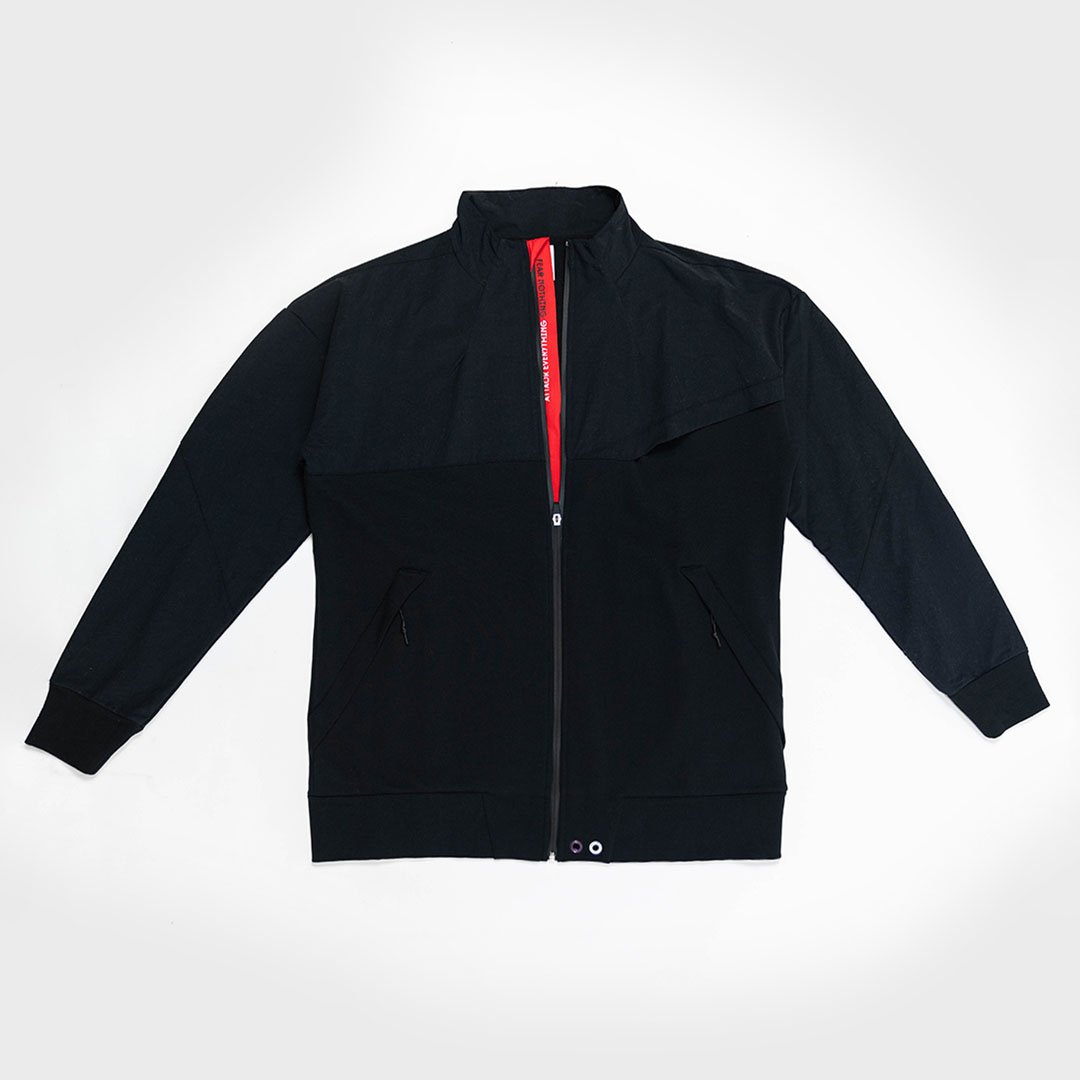
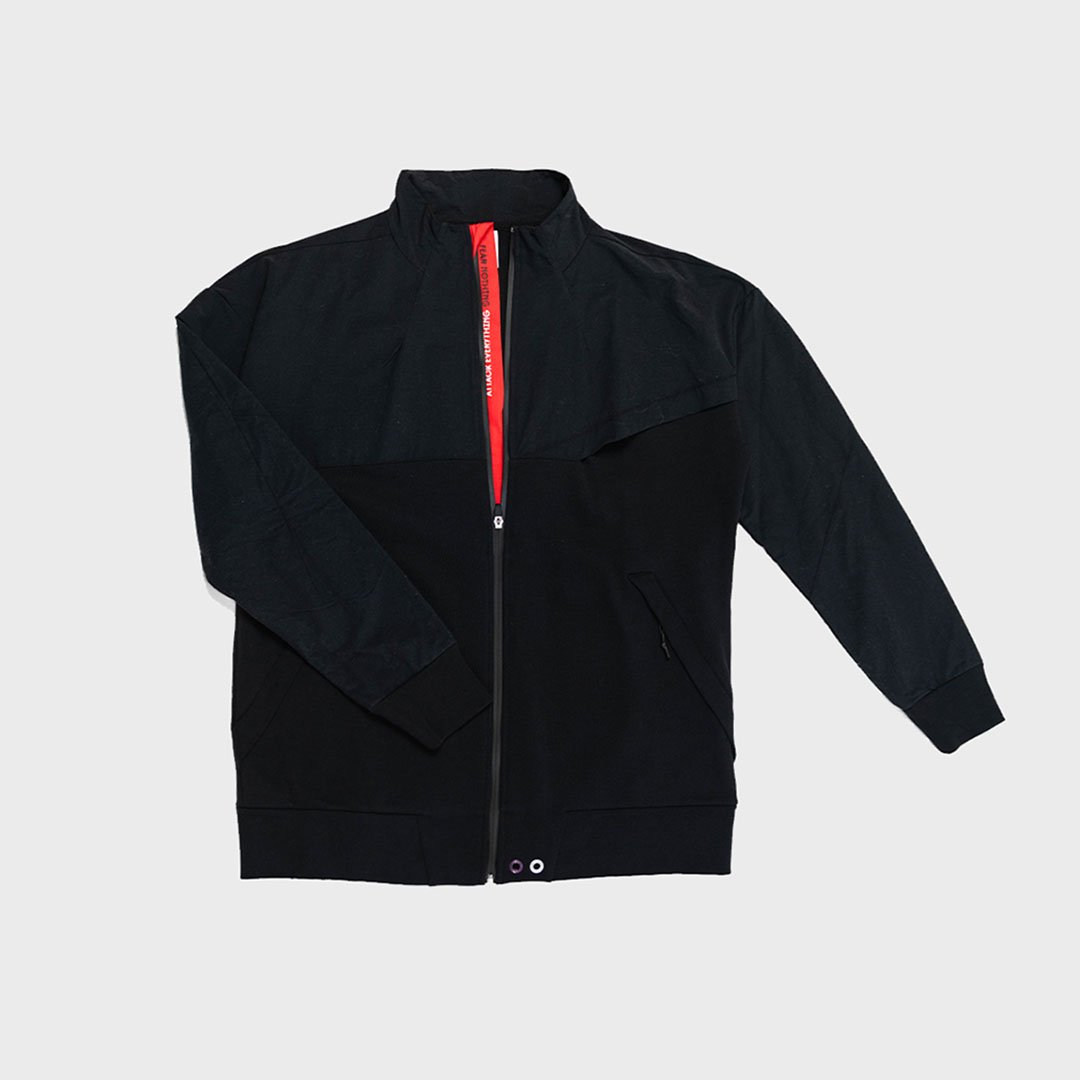
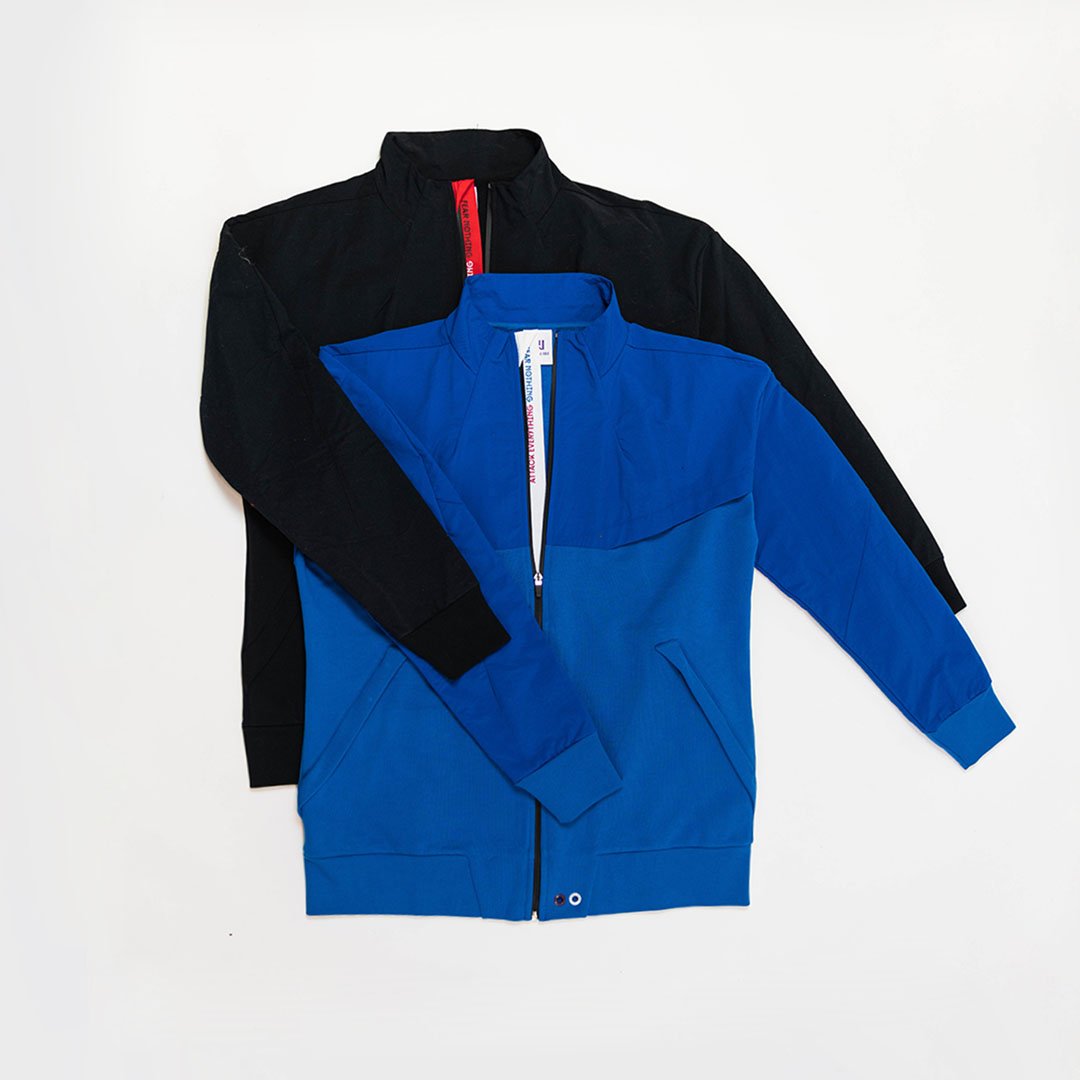
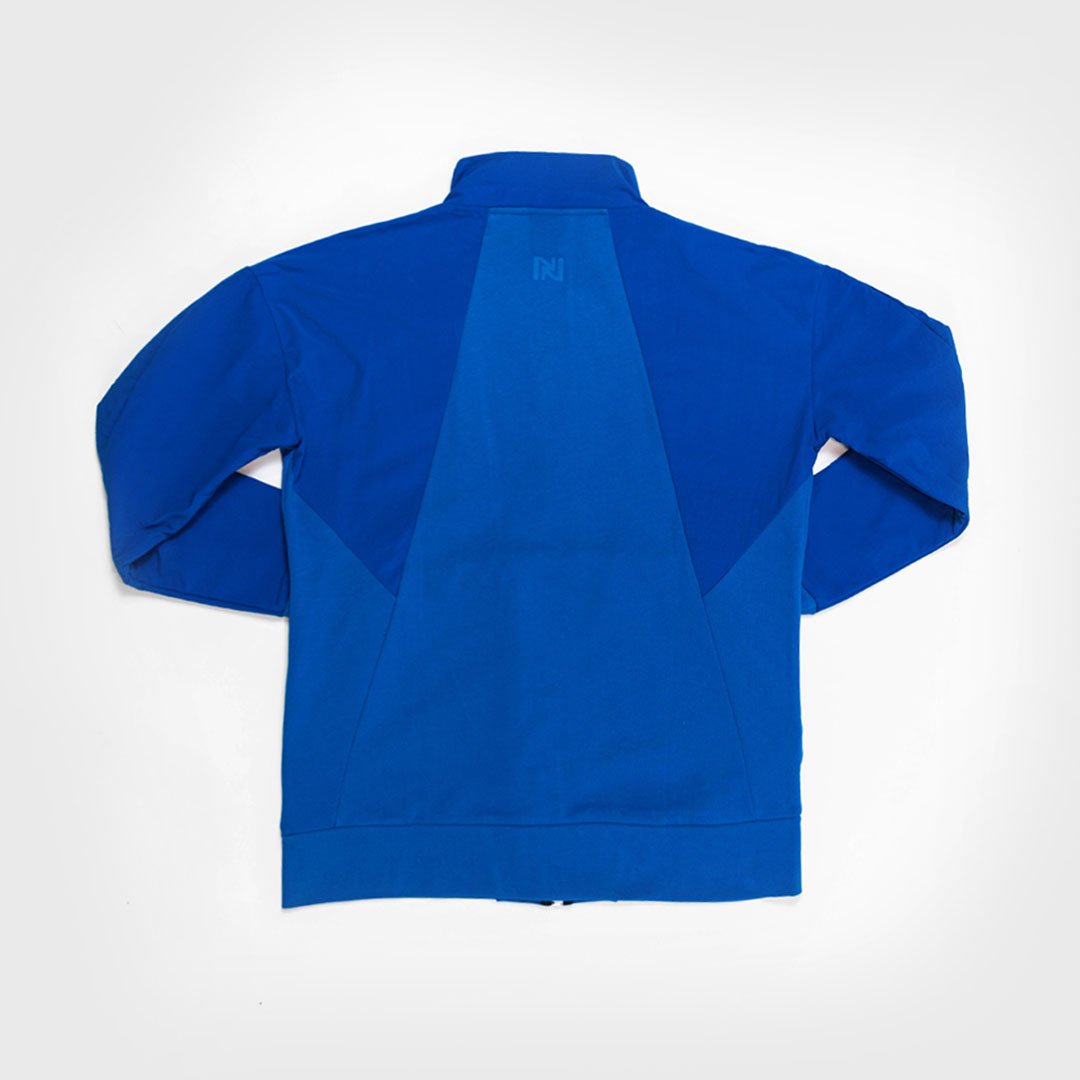
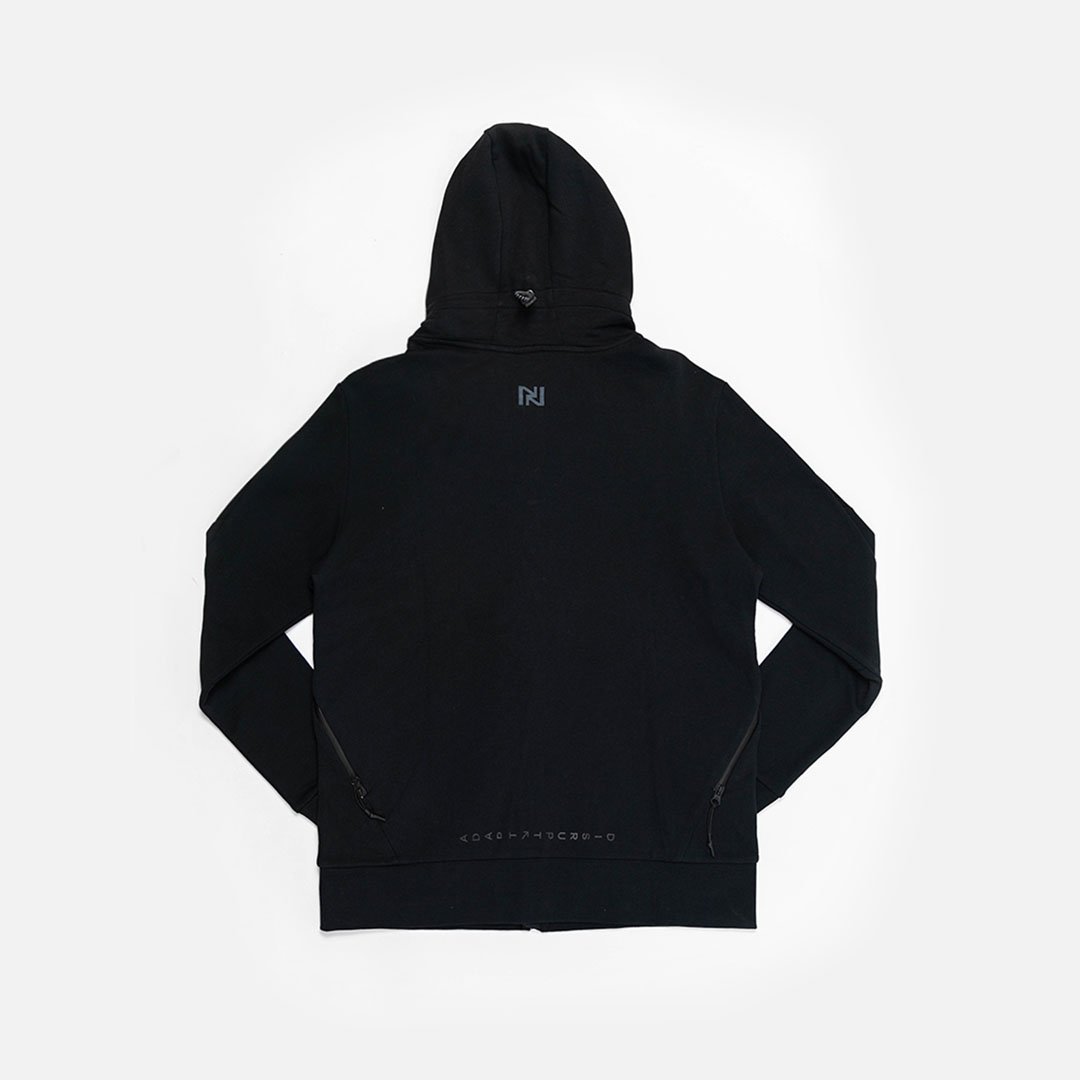
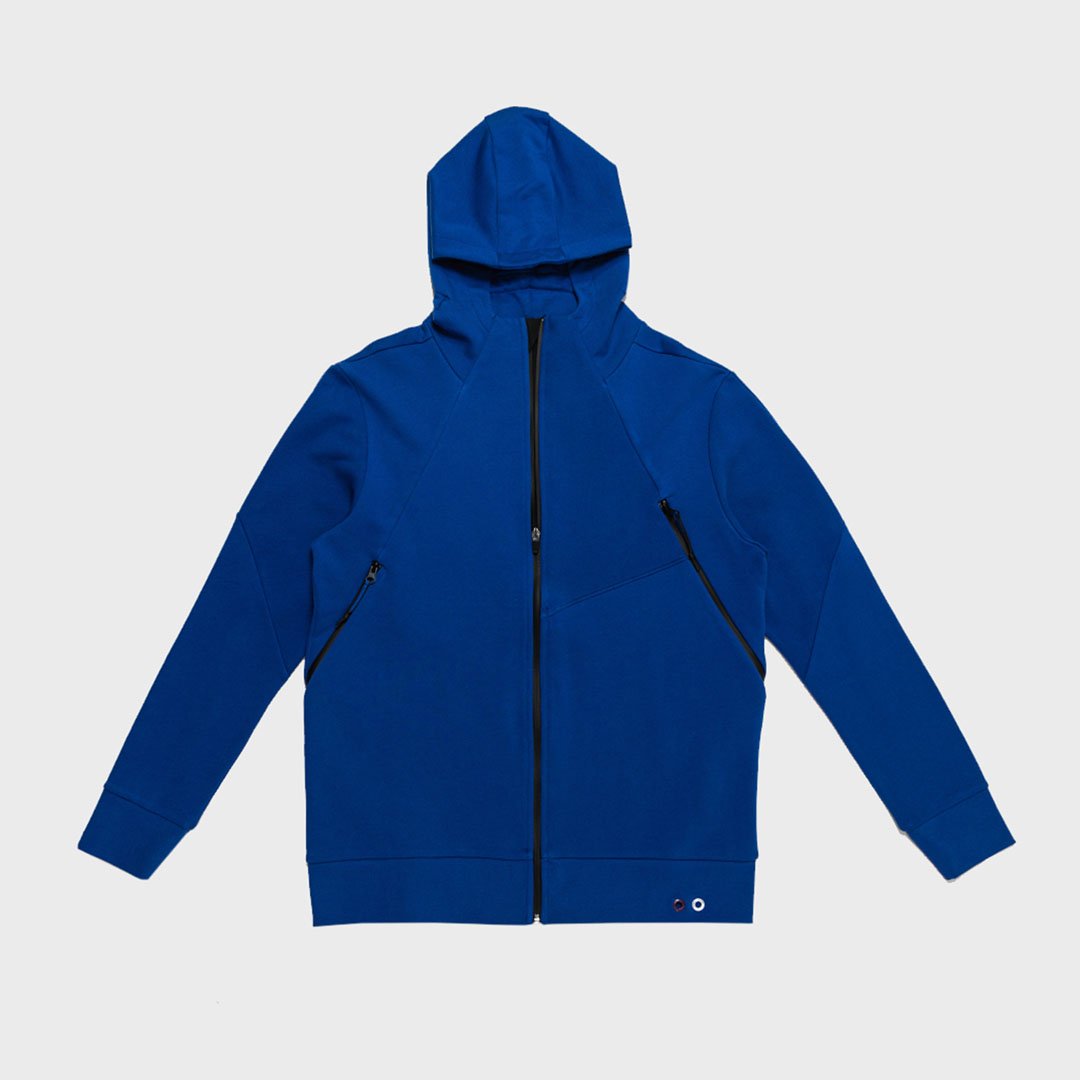
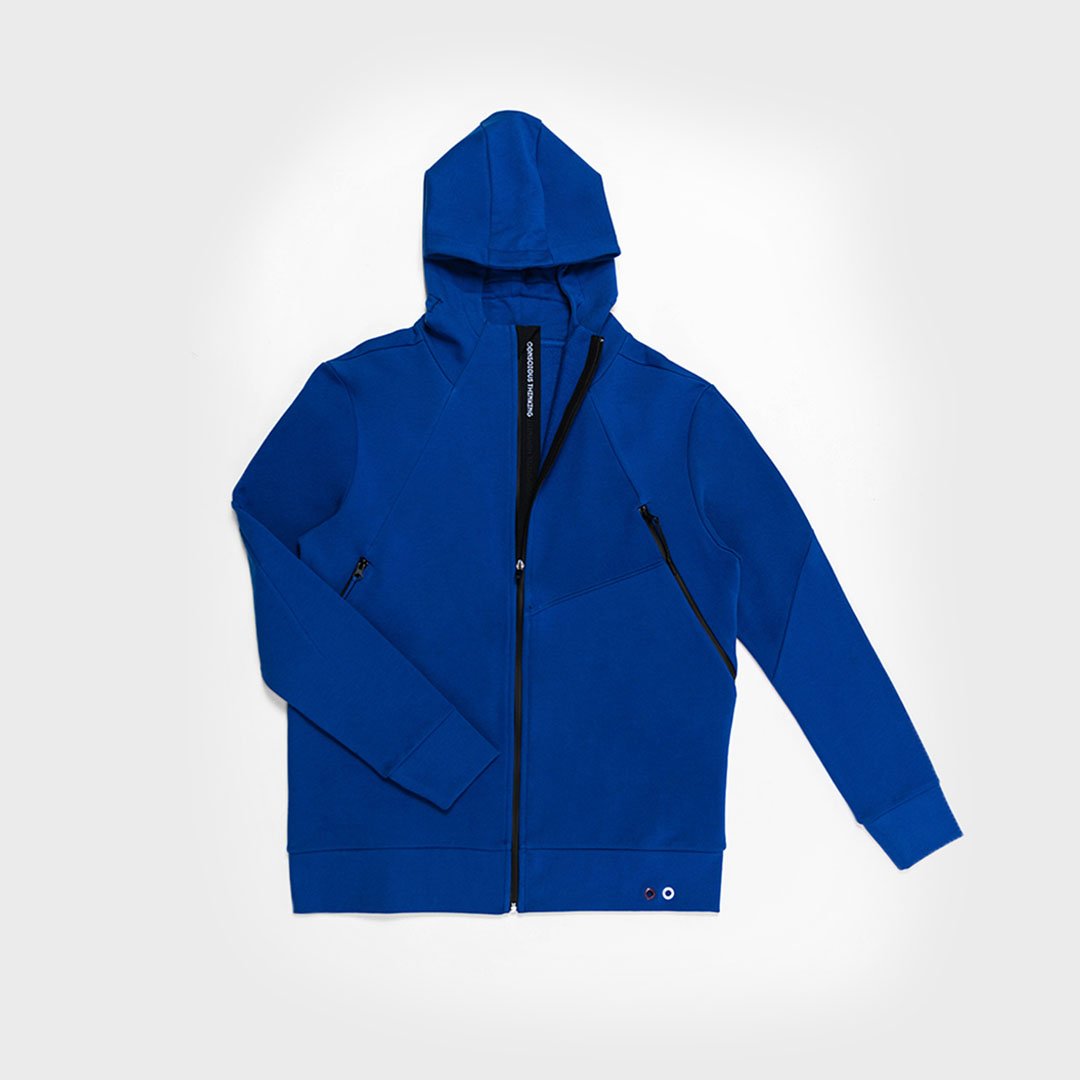
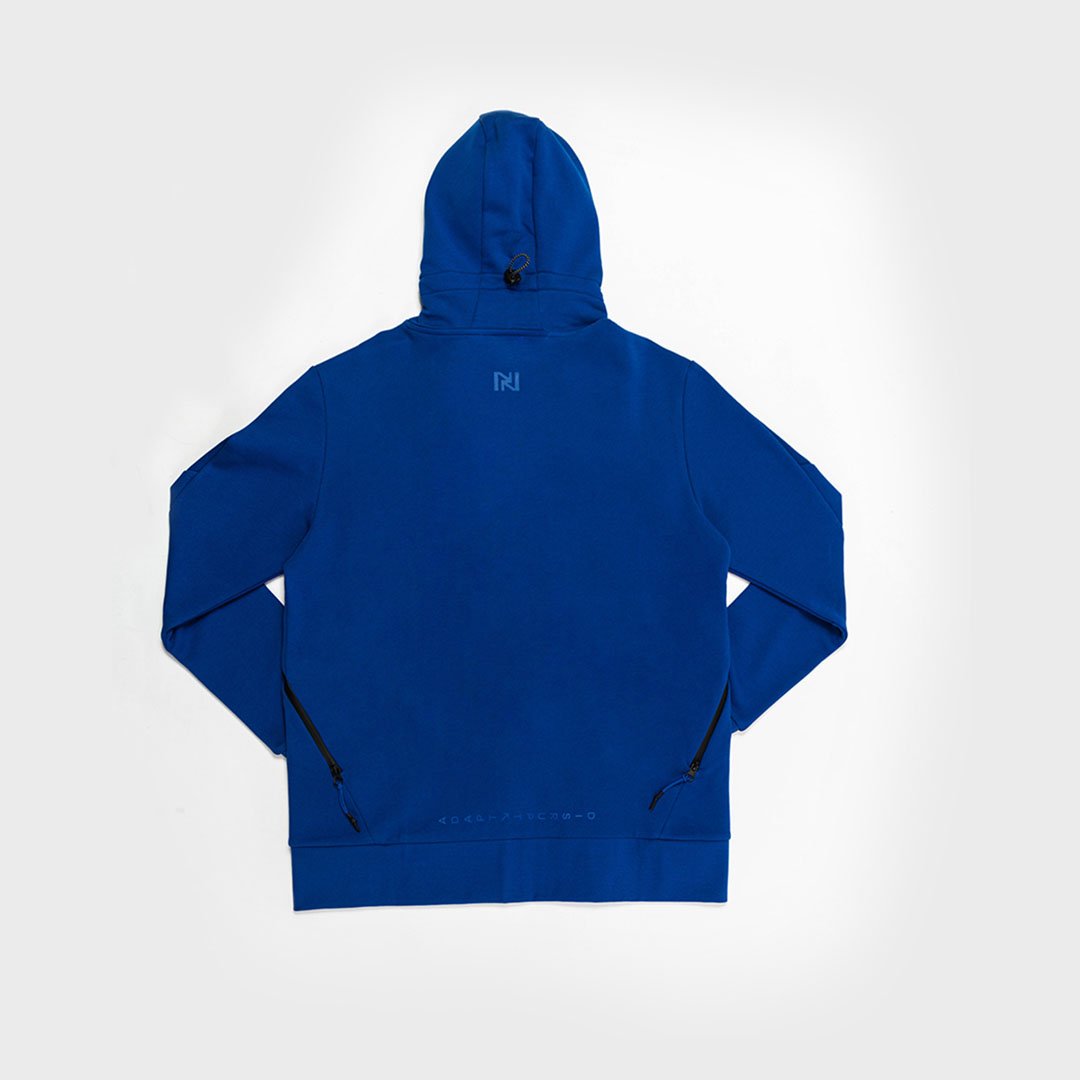
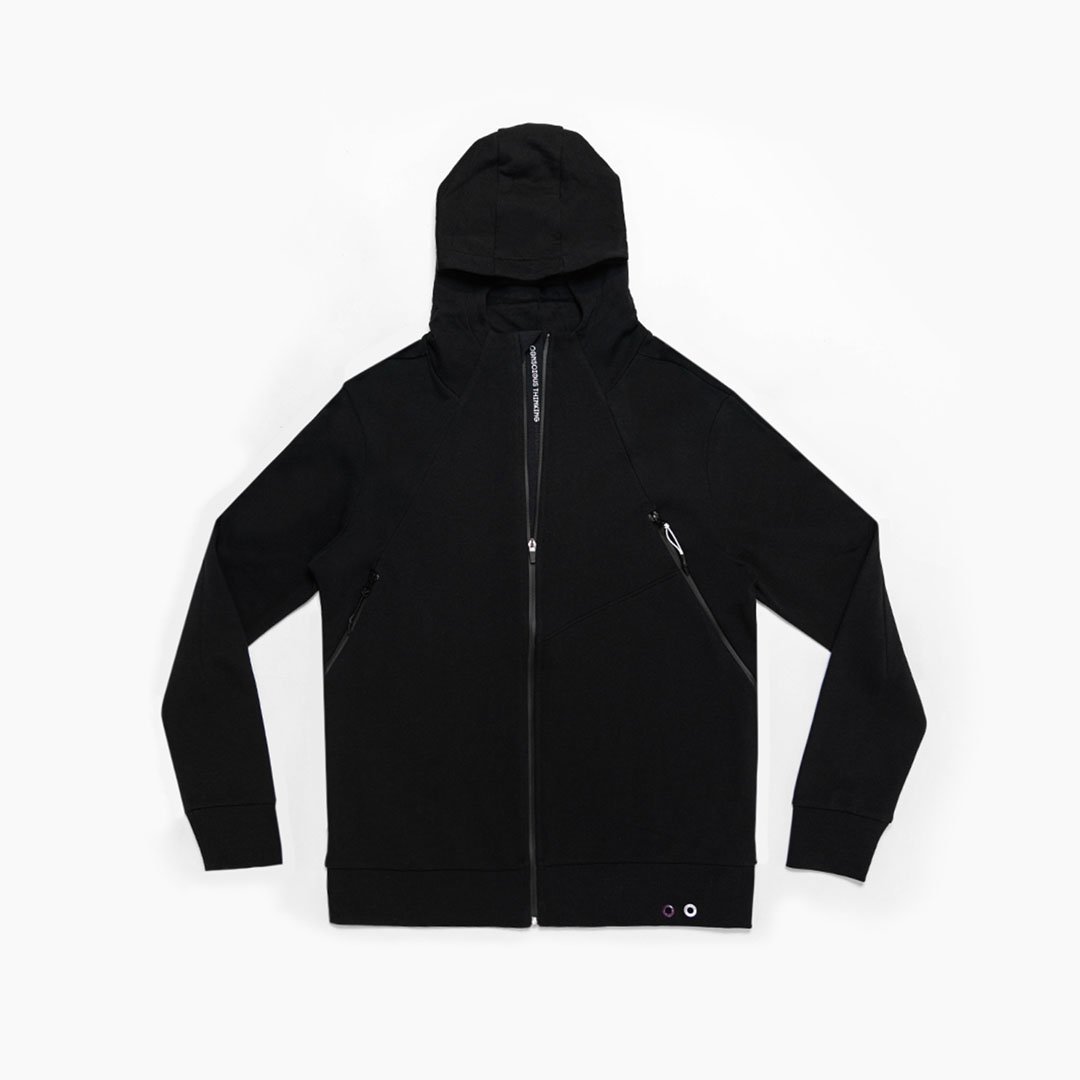
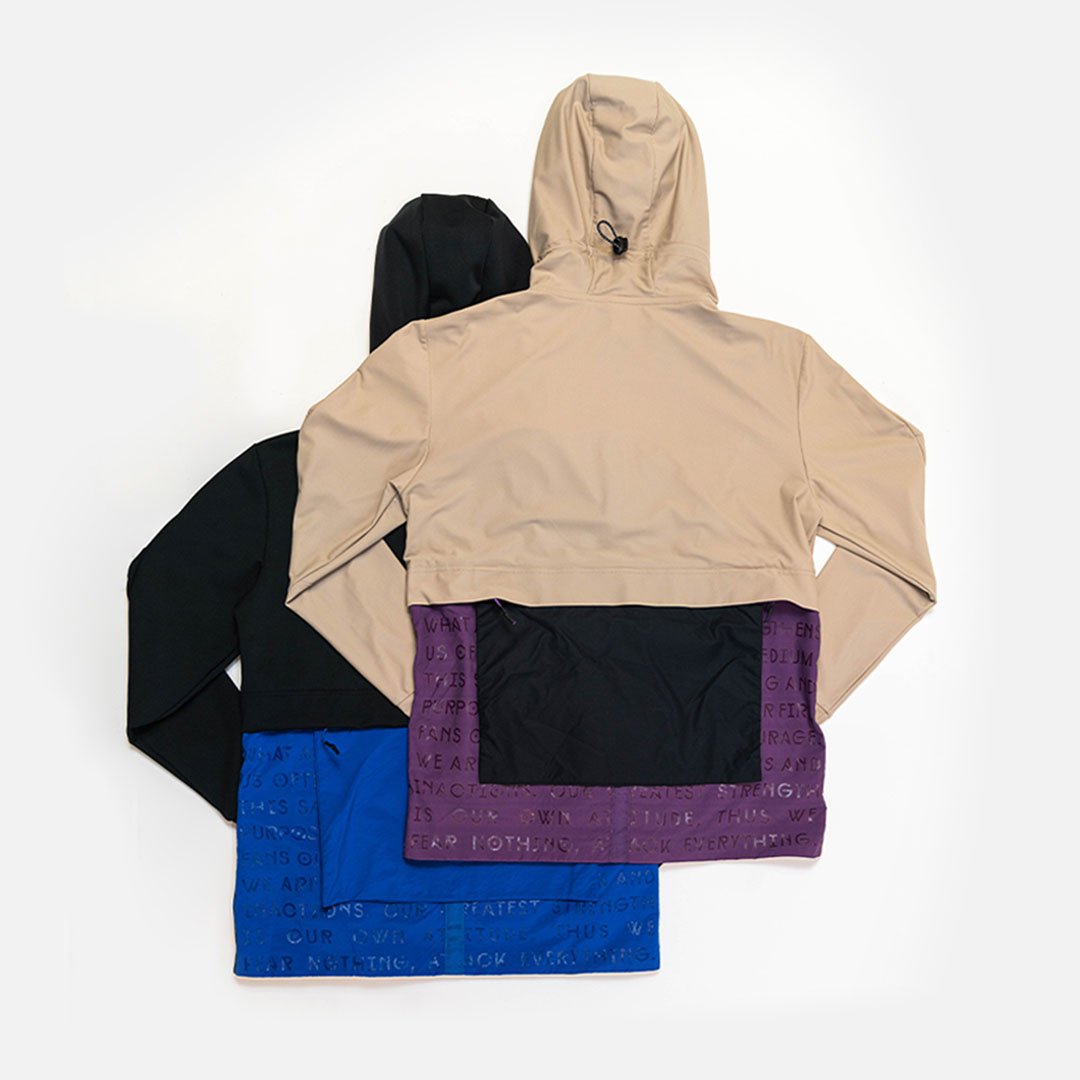
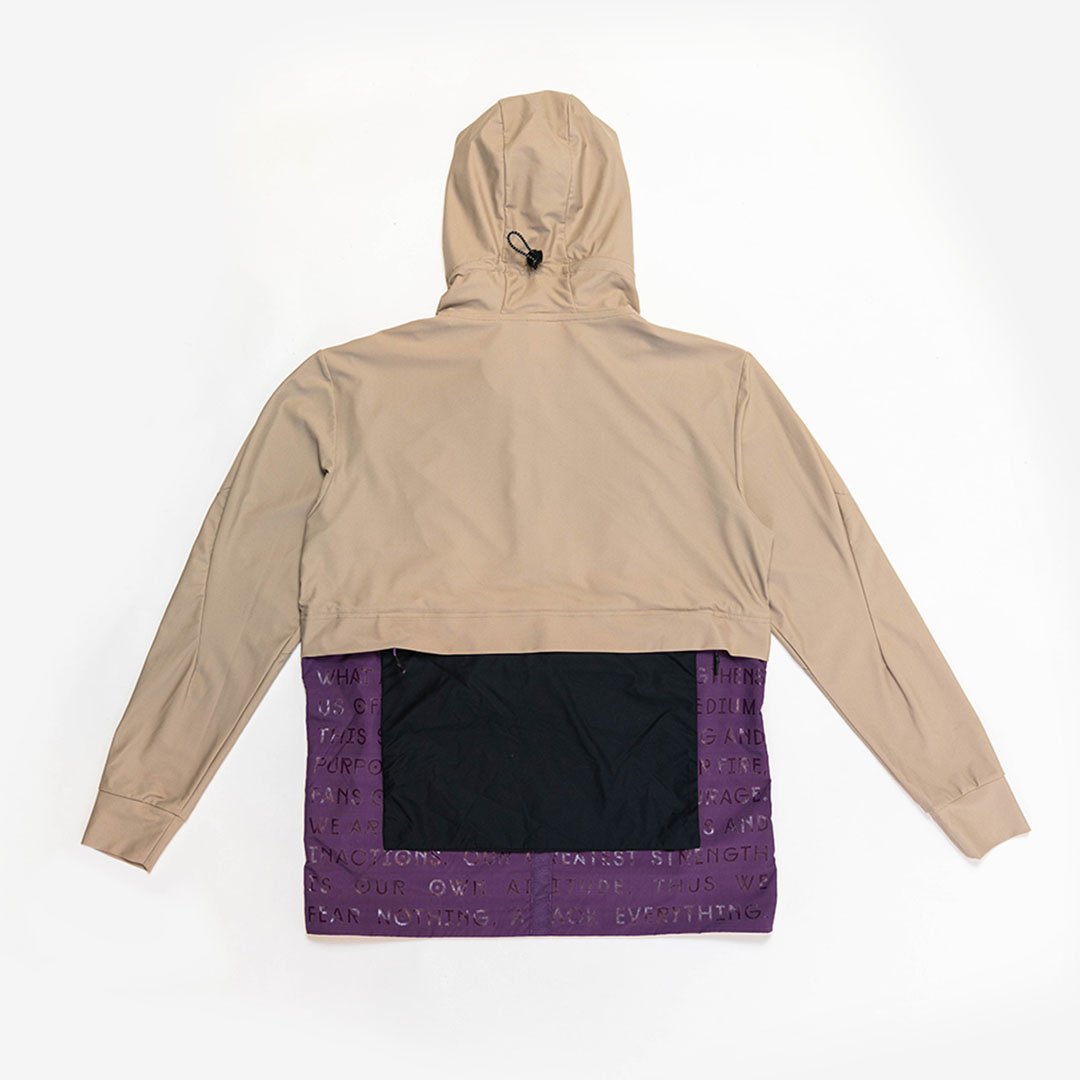
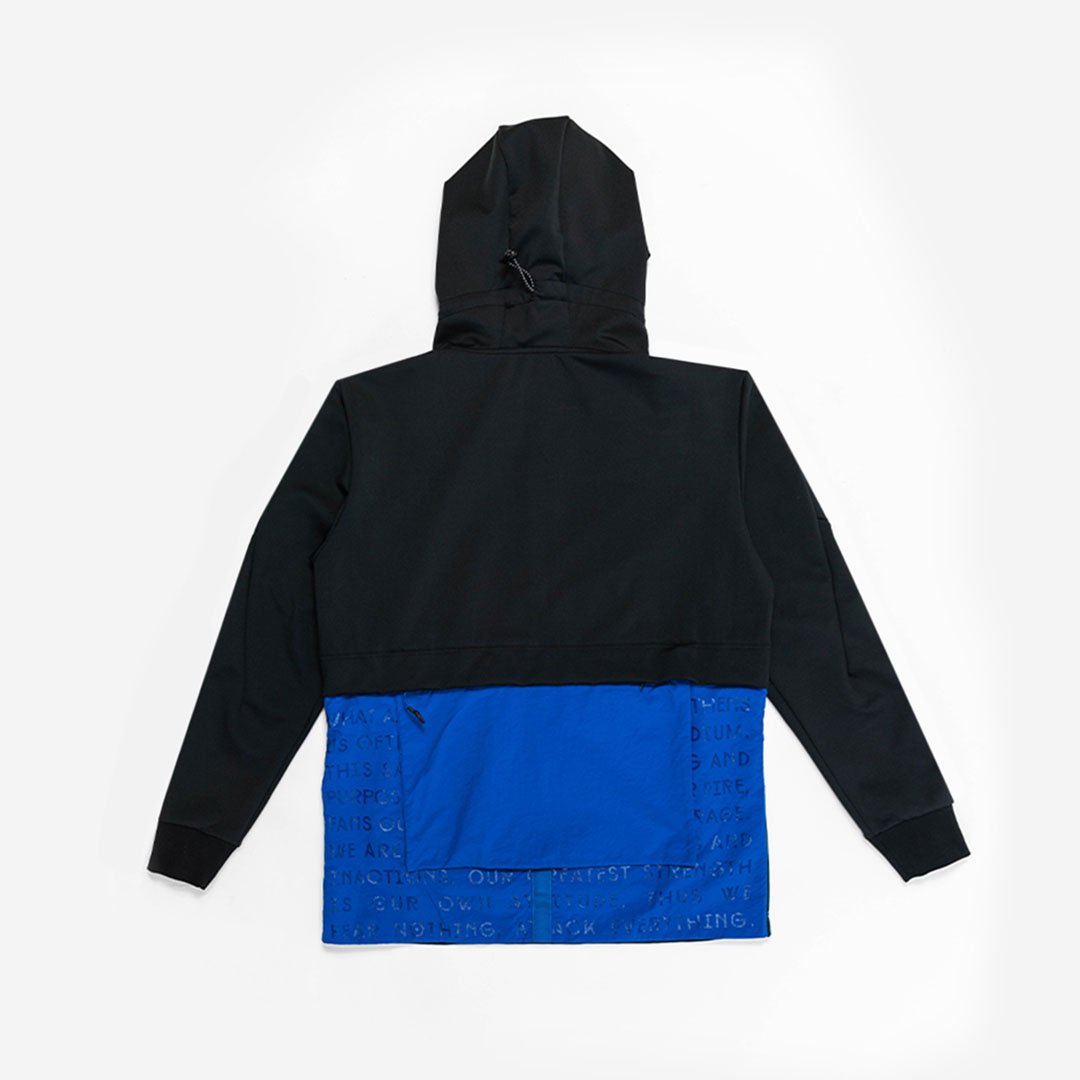
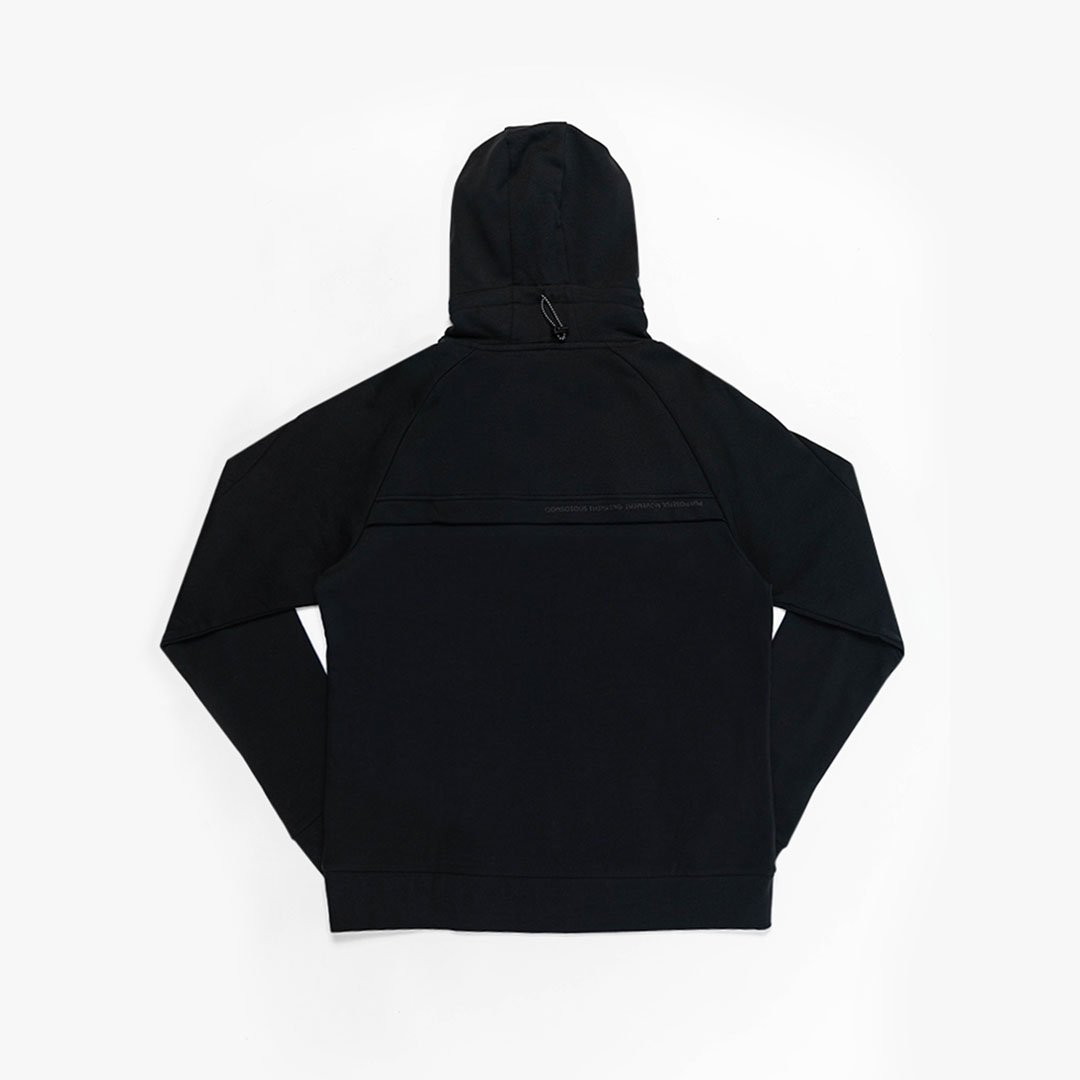
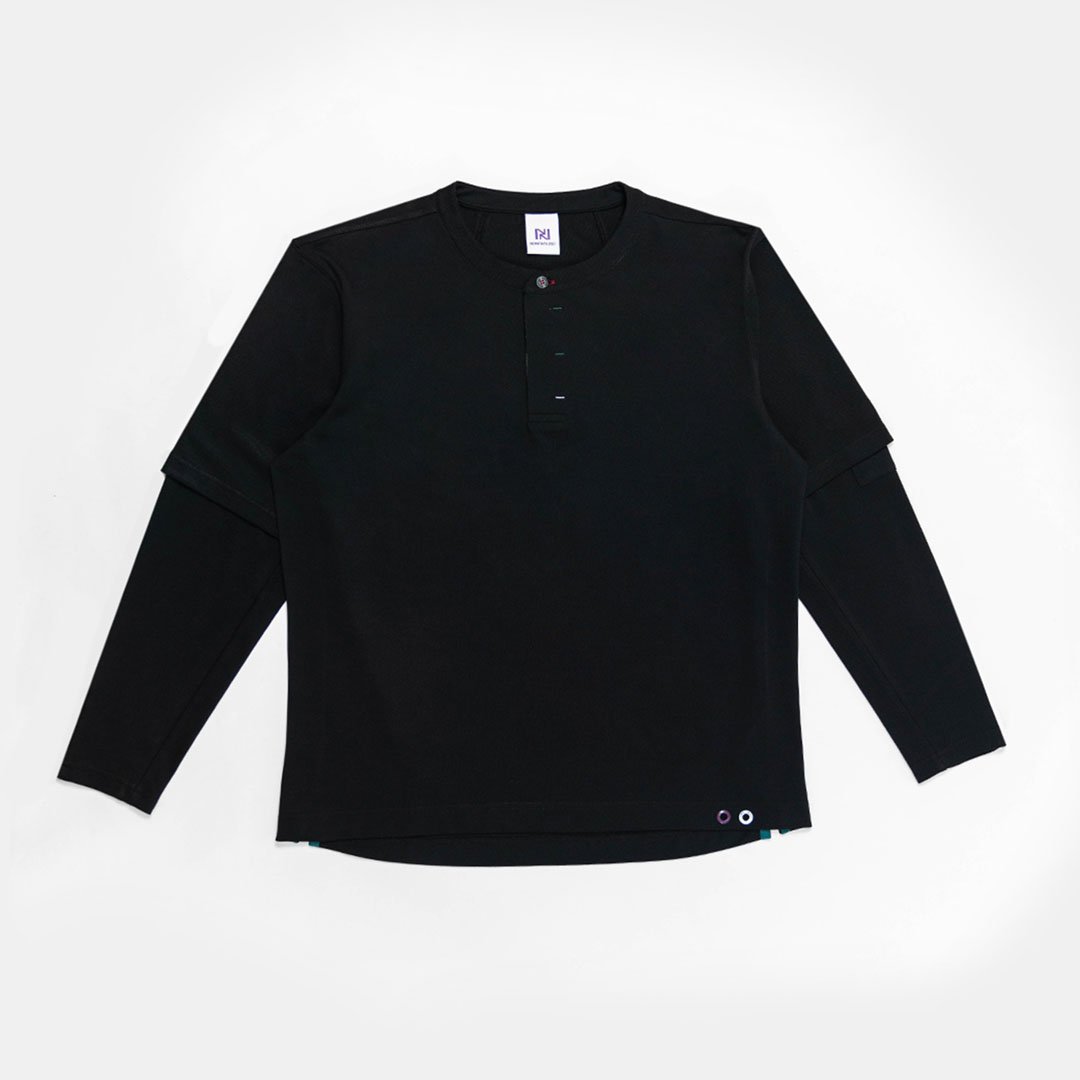
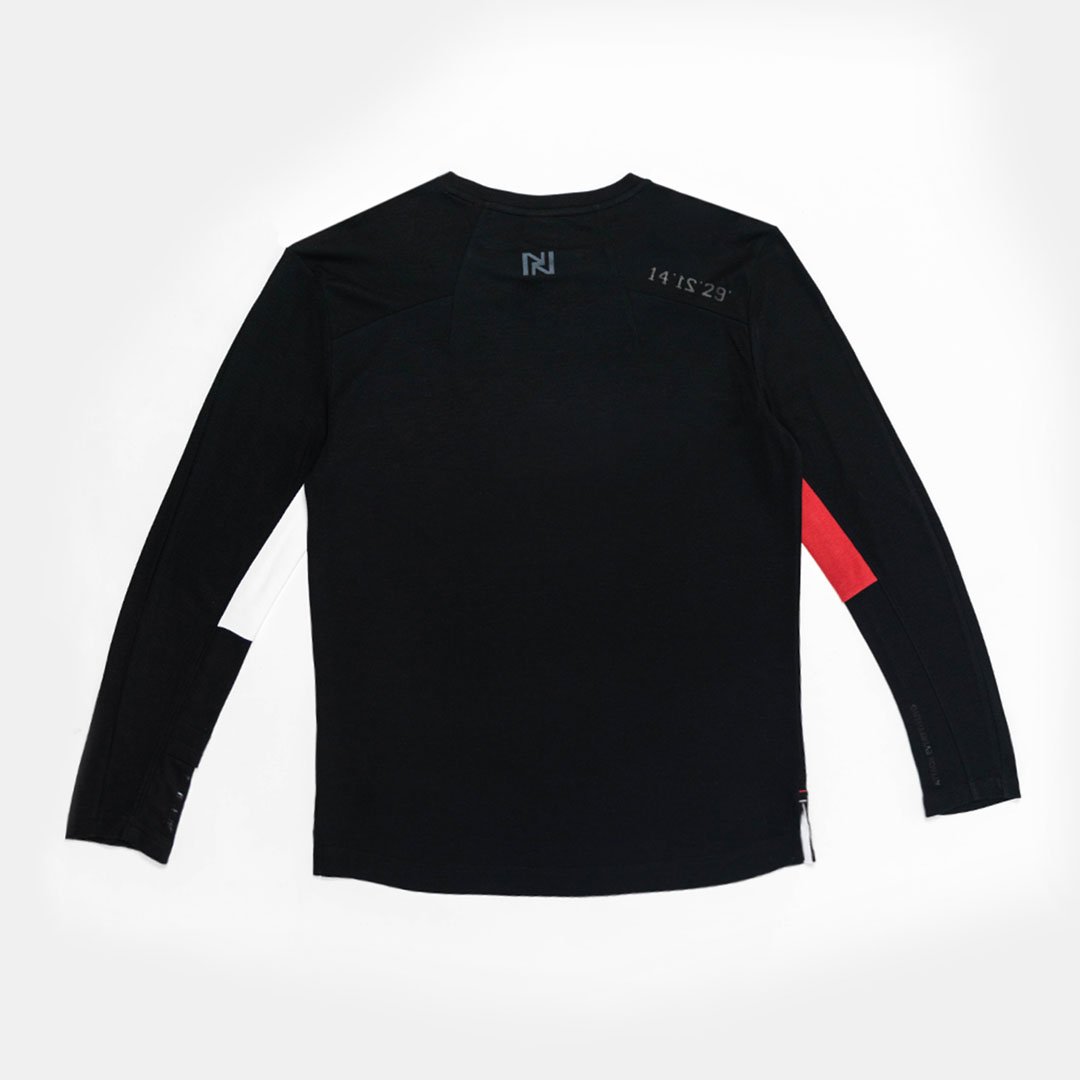
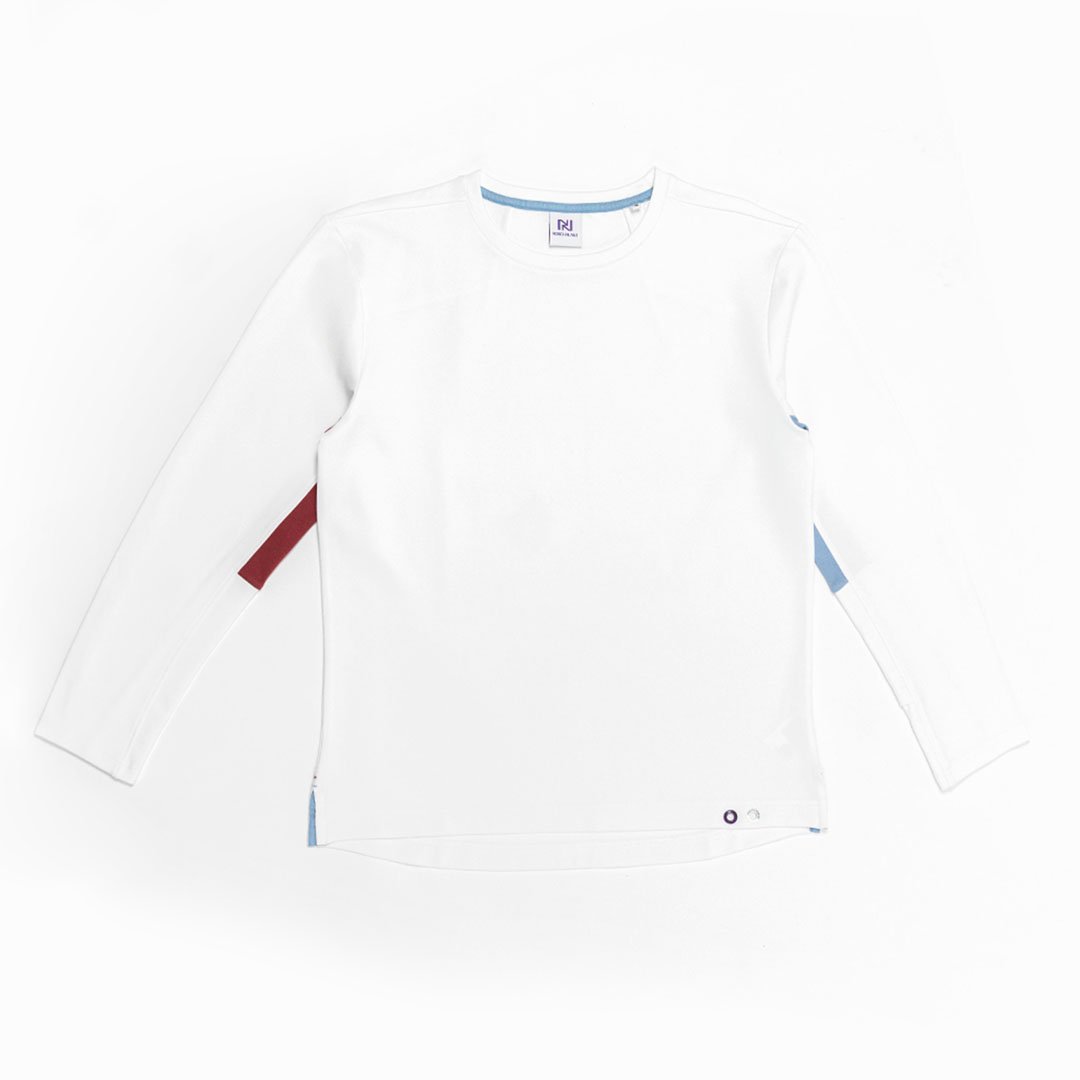
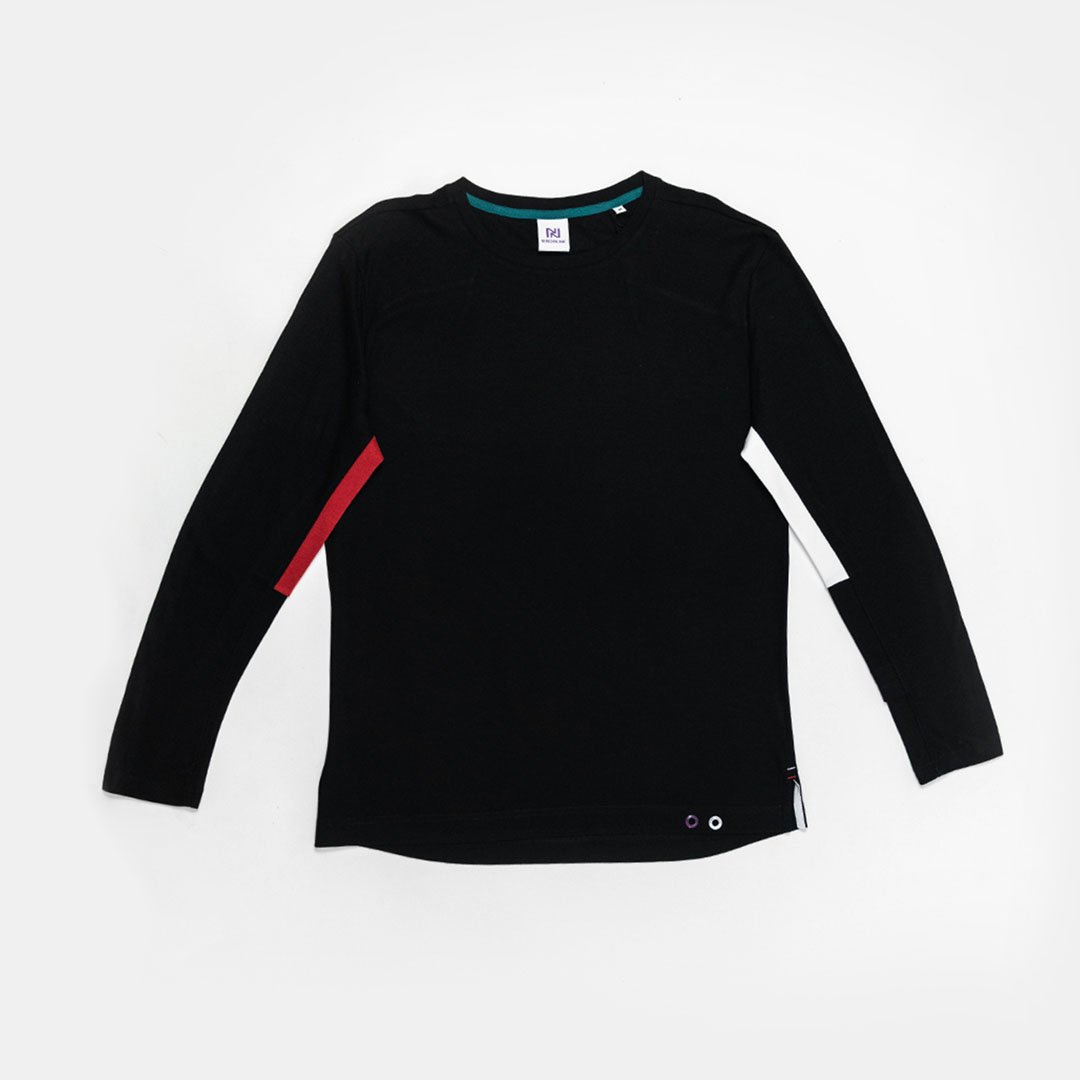
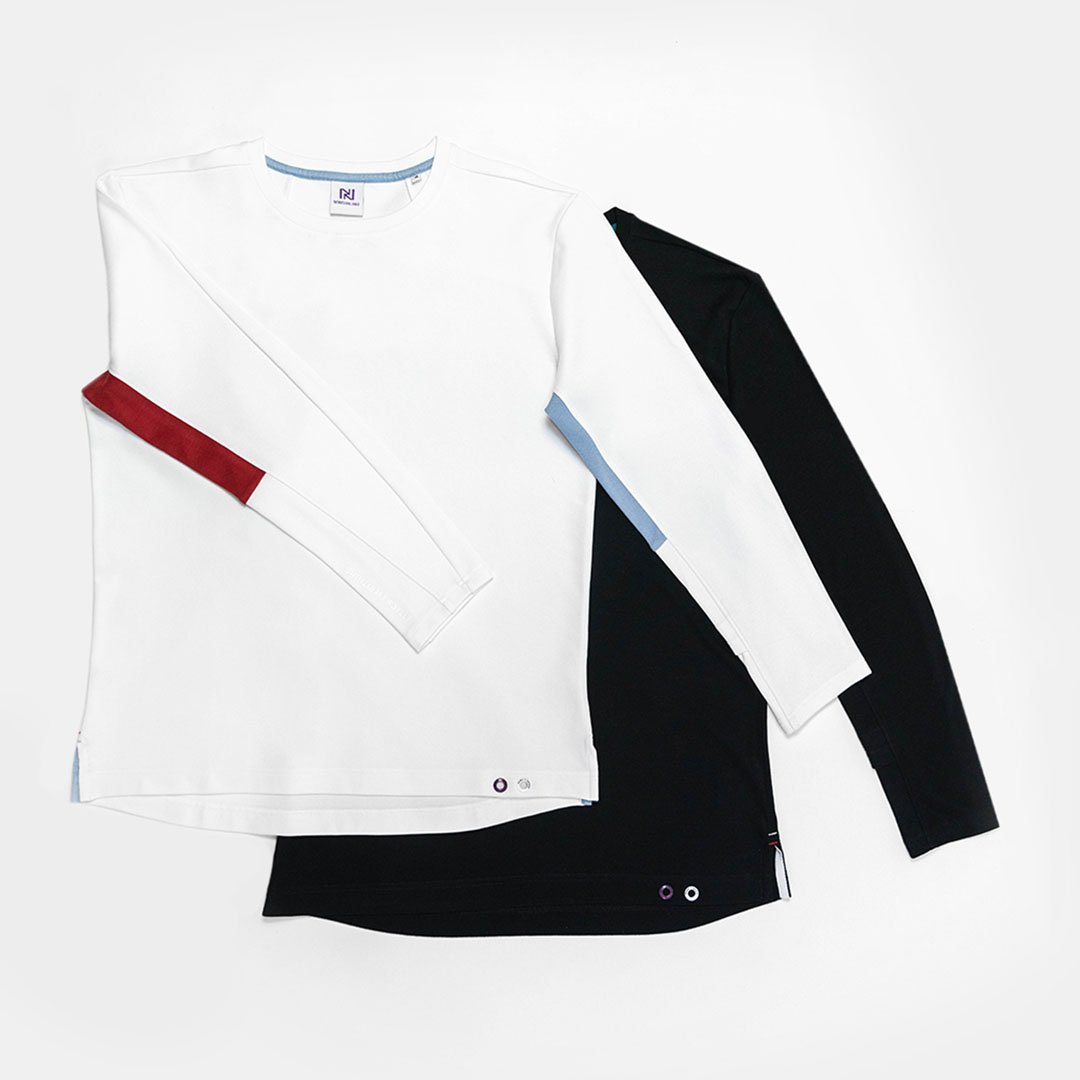
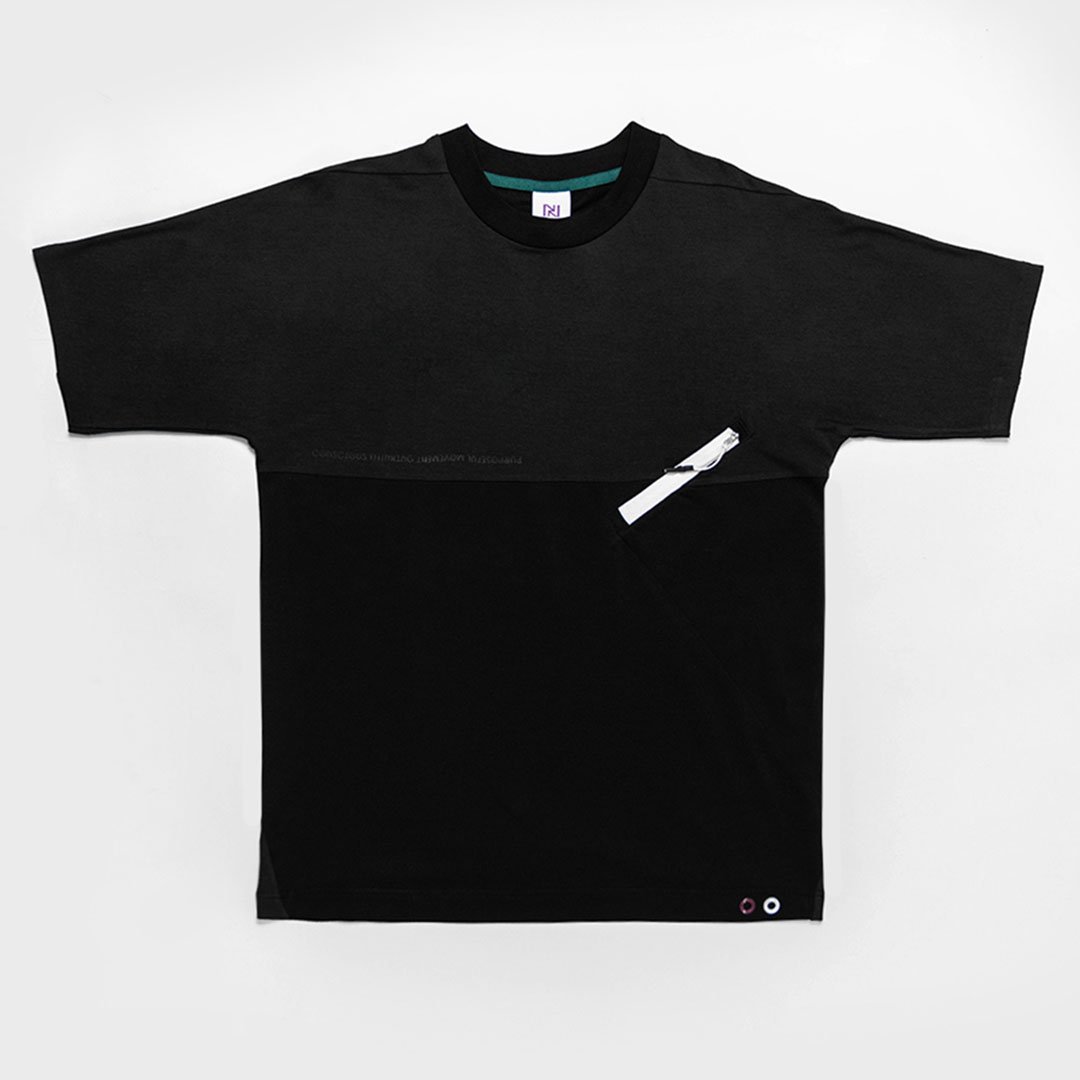
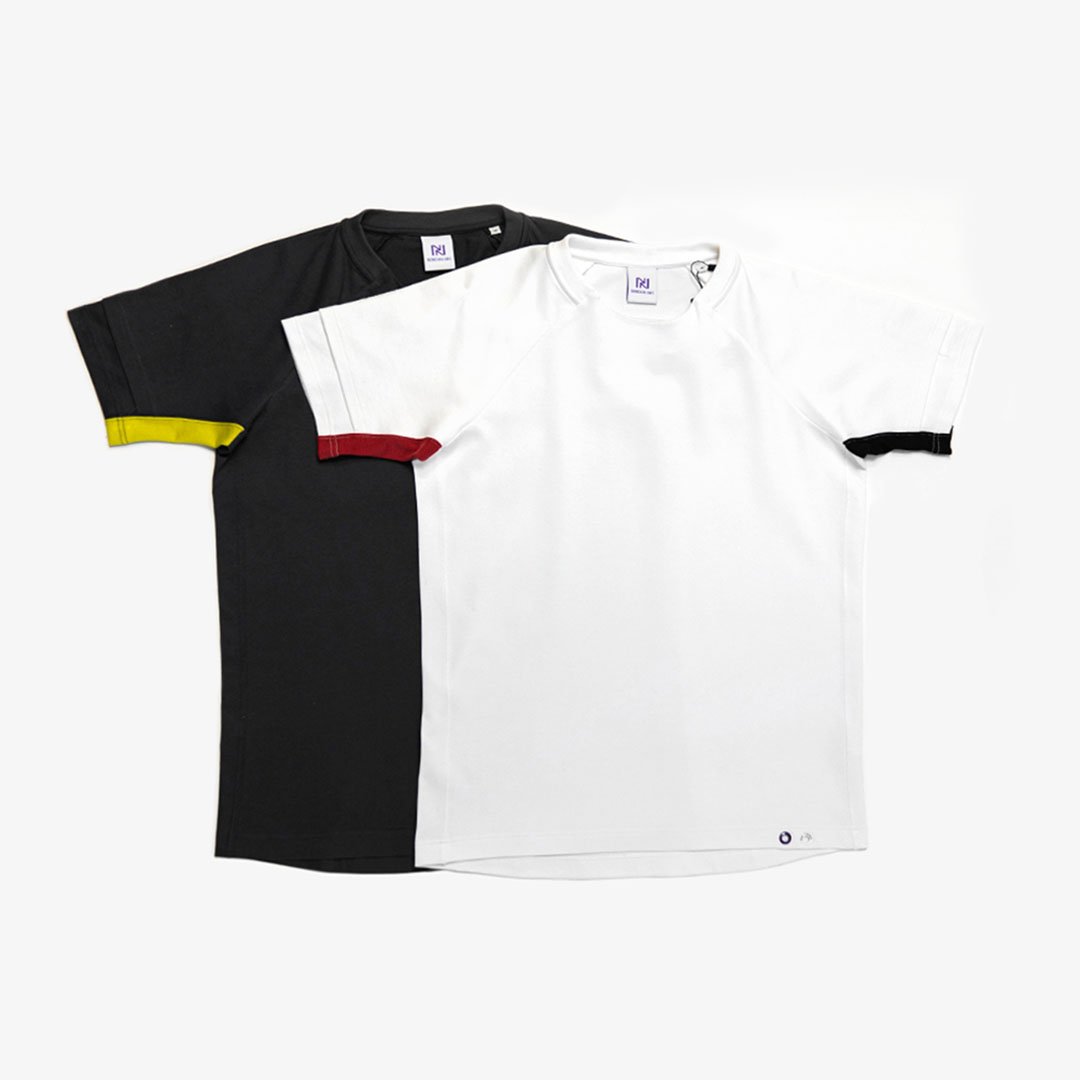
The design strategy considered: Water-resistant fabrics, Waterproof zippers, Invisible zippers, Interior pockets, Large back pockets, Noise-reducing fabrics, Raglan and glove sleeve construction, Asymmetric design, Articulated cutting, Graphic placement, Labels and trims, and Layering and transition.
These elements gave the apparel a functional foundation while keeping the visual language clean and understated.
Visual Identity & Messaging
Channing & Company developed a verbal system that helped Nonchalant speak with clarity and attitude.
The brand language included short, memorable statements that could live across apparel, campaigns, product details, and graphic applications.
Key messaging themes included:
Humble Savage
Quiet confidence. Strength without performance.
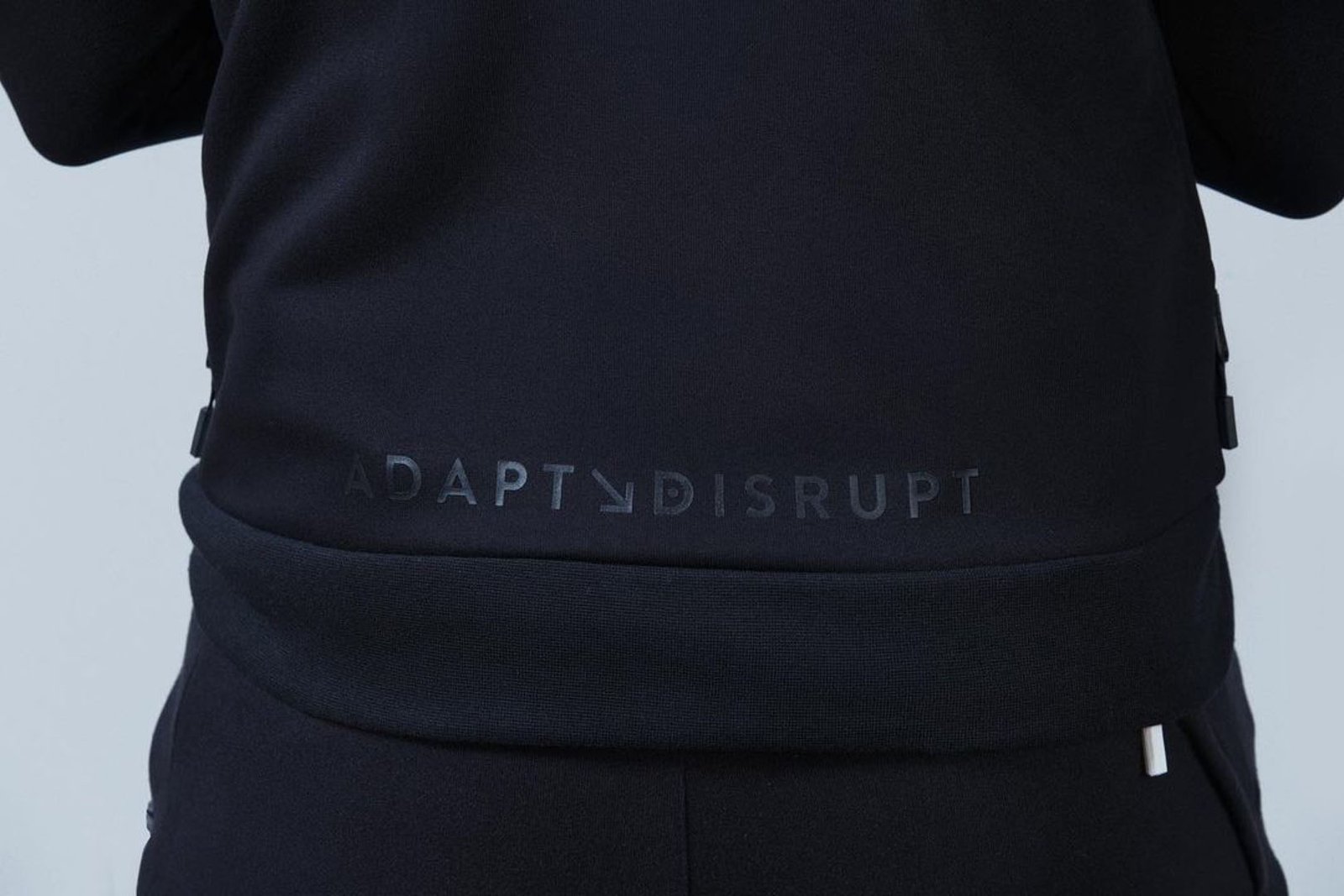
Adapt 2 Disrupt
A belief that adaptation is not passive. It is strategic.
Effortless Stunt
Clarity in intention. Understated, yet unmistakable.
Fear Nothing. Attack Everything.
A mantra of courage, movement, and discipline.
Conscious Thinking + Purposeful Movement
The operating philosophy behind the brand.
This language gave the apparel system more depth. The graphics were not random phrases. They were expressions of the brand’s worldview.
Visual Identity
The Nonchalant visual identity was designed to reflect adaptability.
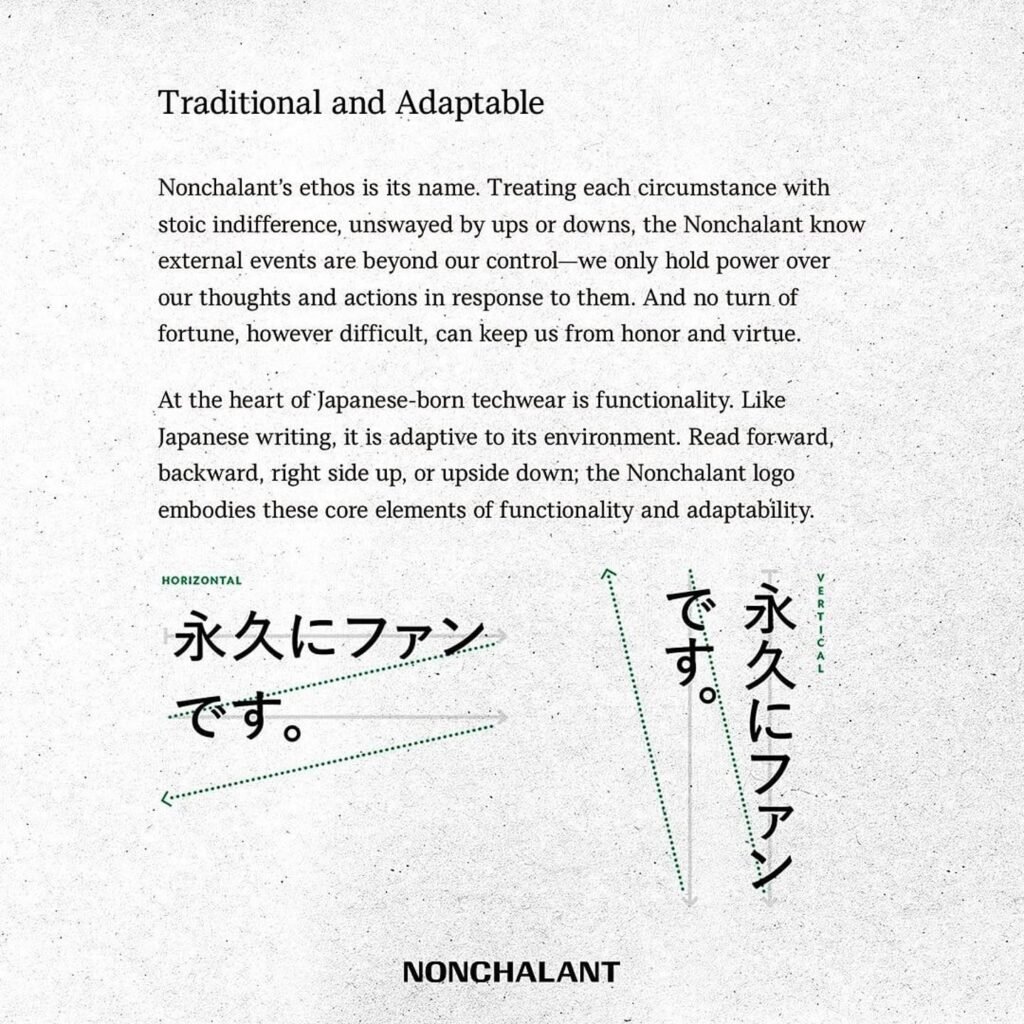
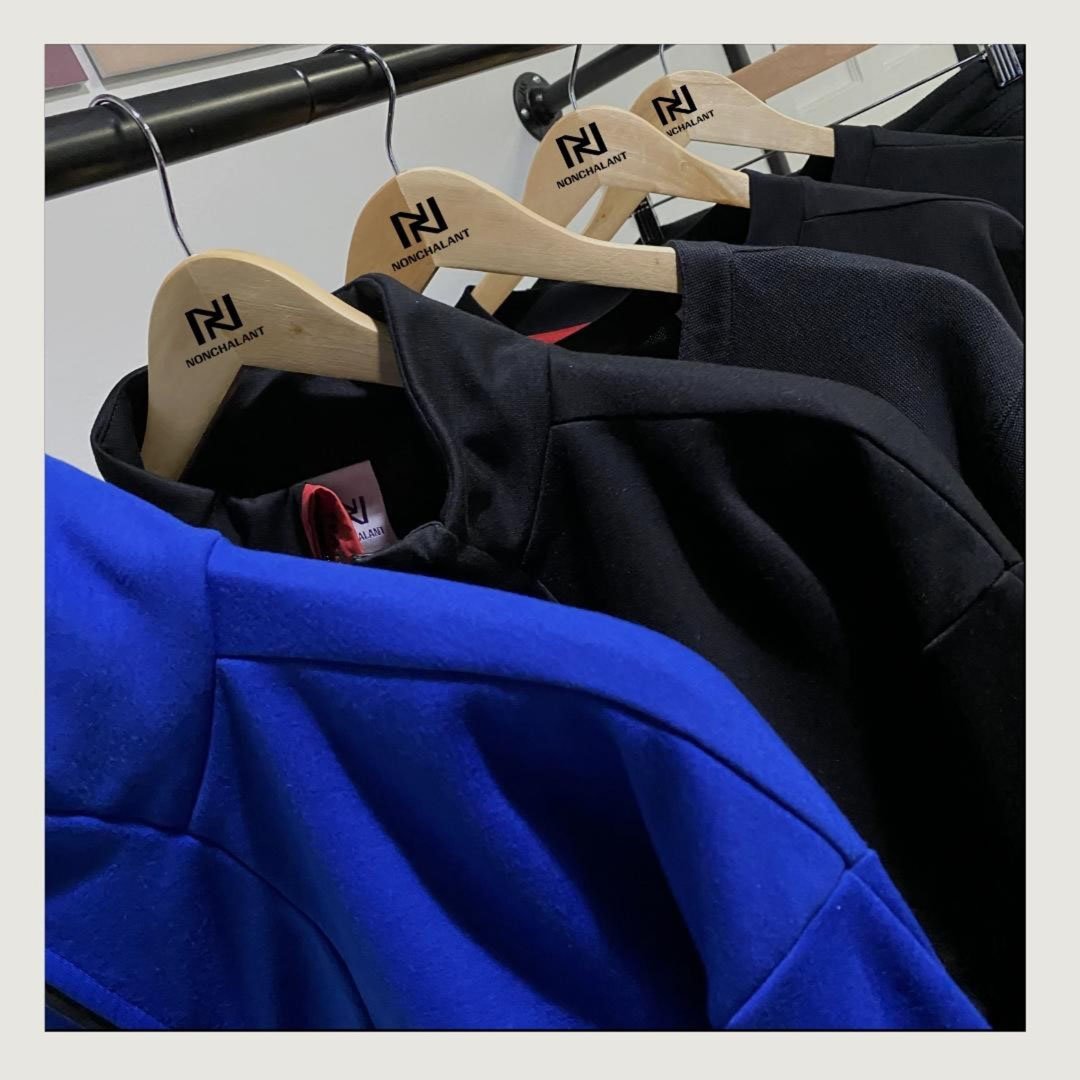
The logo system could be read forward, backward, right side up, or upside down. This was not only a visual device. It was a strategic expression of the brand’s core idea.
The identity had to function across apparel, labels, trims, graphic placements, digital assets, and future brand extensions.
The mark needed to be simple enough to live on garments, but distinct enough to carry the brand.
Like the clothing, the identity was designed to move.
Apparel Design Strategy
The apparel design strategy translated Nonchalant’s philosophy into product.
Channing & Company approached the garments as functional expressions of the brand’s mindset. Every design decision had to support movement, adaptability, and restraint.
The product direction explored techwear through a streetwear lens, with an emphasis on utility, silhouette, detail, and controlled expression.
The design strategy considered:
Water-resistant fabrics
Waterproof zippers
Invisible zippers
Interior pockets
Large back pockets
Noise-reducing fabrics
Raglan and glove sleeve construction
Asymmetric design
Articulated cutting
Graphic placement
Labels and trims
Layering and transition
These elements gave the apparel a functional foundation while keeping the visual language clean and understated.
Product System and Assortment Strategy
The work extended into assortment planning and product architecture.
The strategy explored a limited collection model built around disciplined product drops, intentional SKU planning, and story-driven design.
A 29-SKU collection structure was developed as part of the product strategy, connecting the number to Berry’s identity and the brand’s founding story.
The assortment also explored a purple awareness piece tied to Hodgkin’s lymphoma awareness, creating a direct link between product, purpose, and founder narrative.
This gave the brand a deeper product logic.
Nonchalant was not just releasing garments. It was building a system where story, function, and product could move together.
Graphic Direction and Garment Application
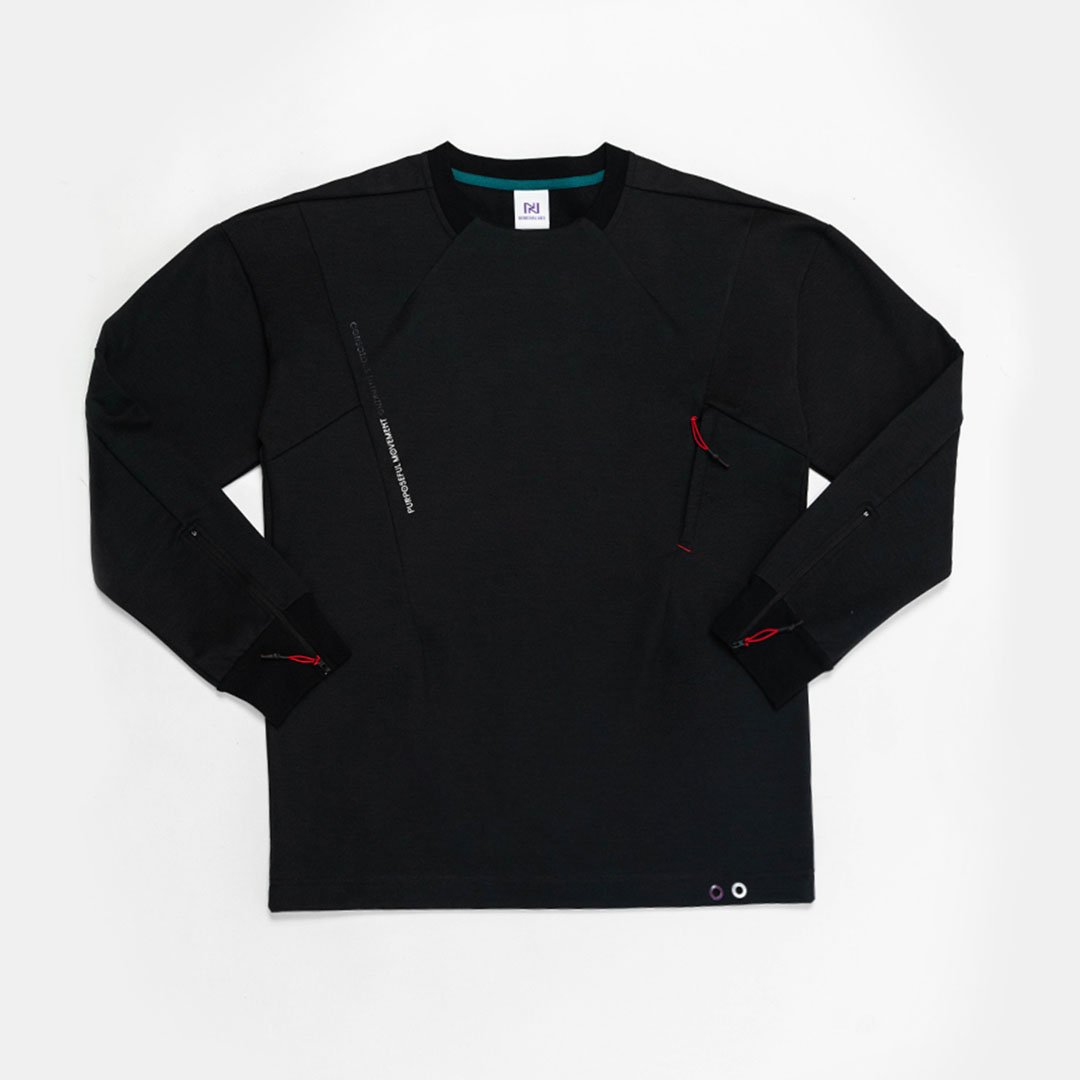
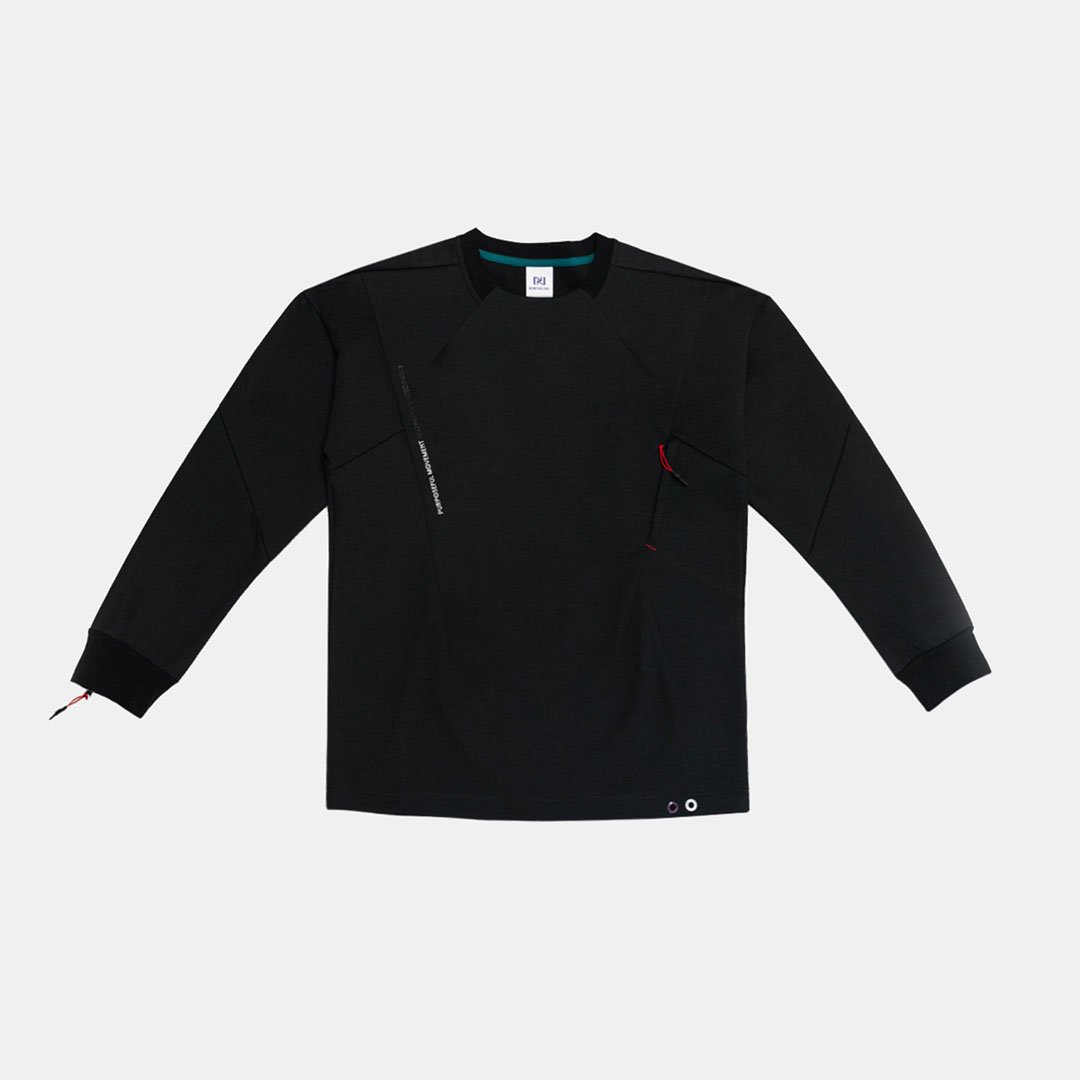
Nonchalant’s graphic system was developed with the same restraint as the clothing.
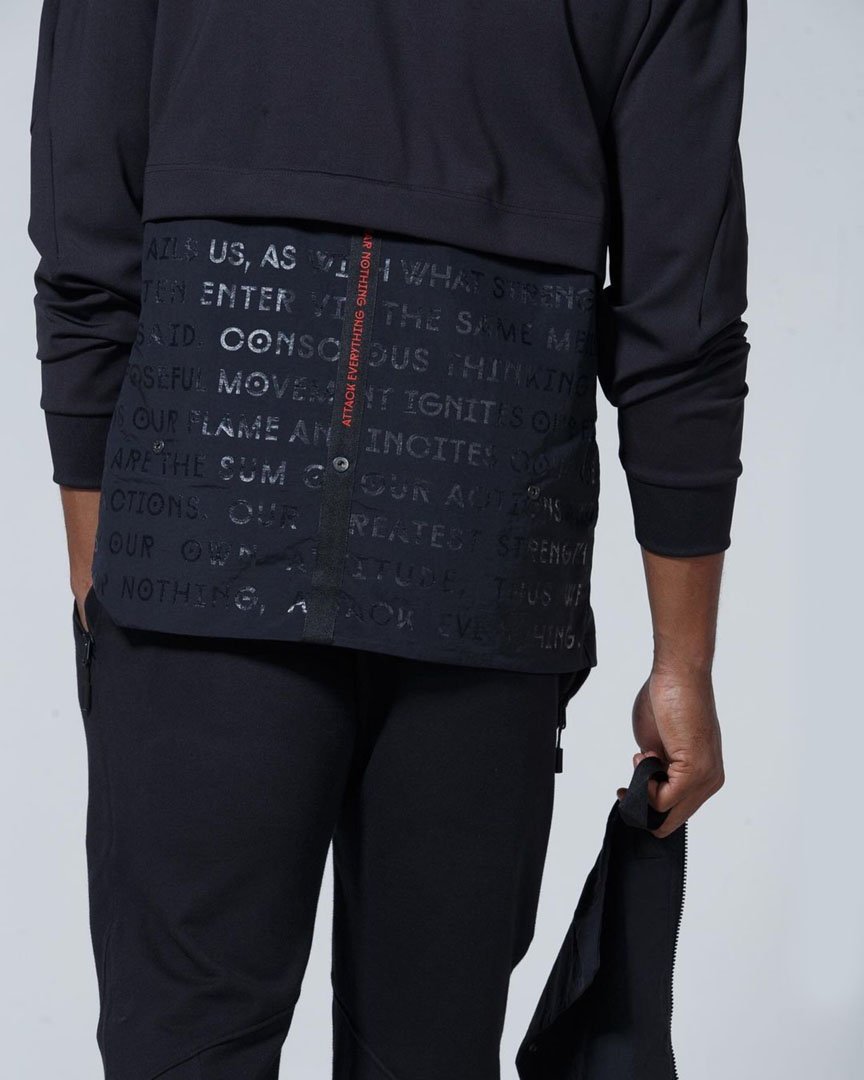
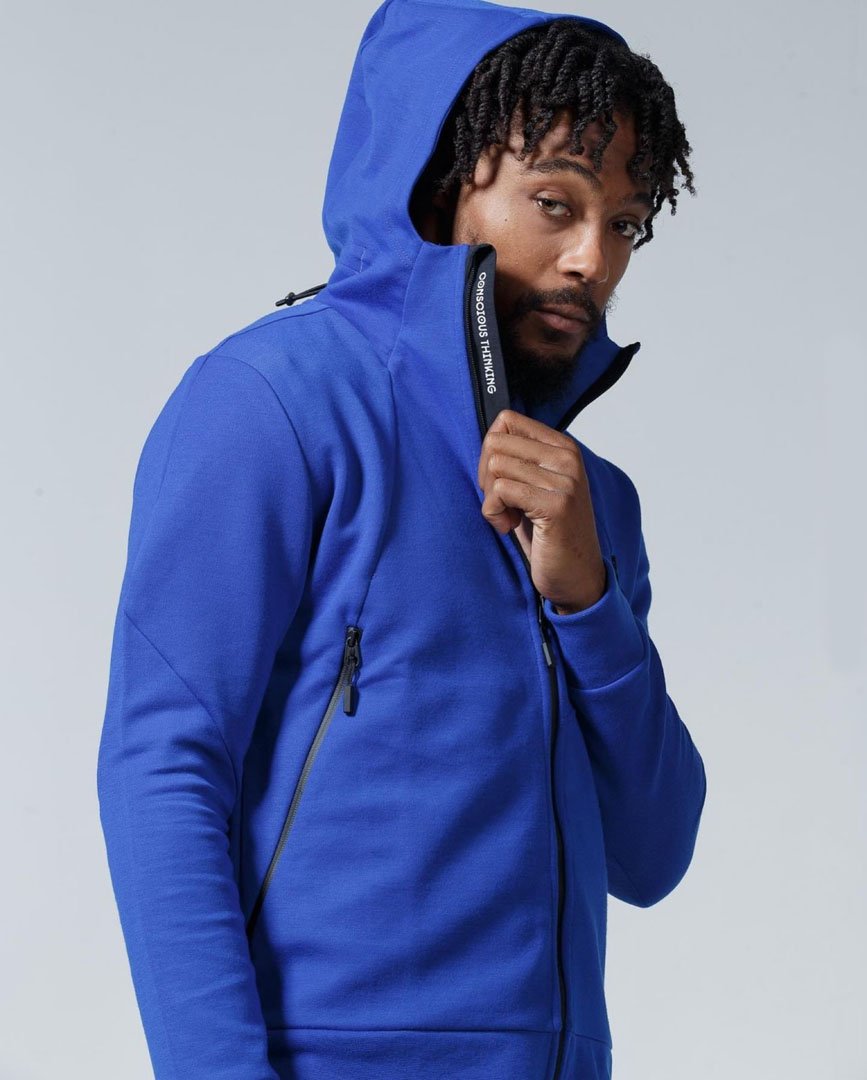
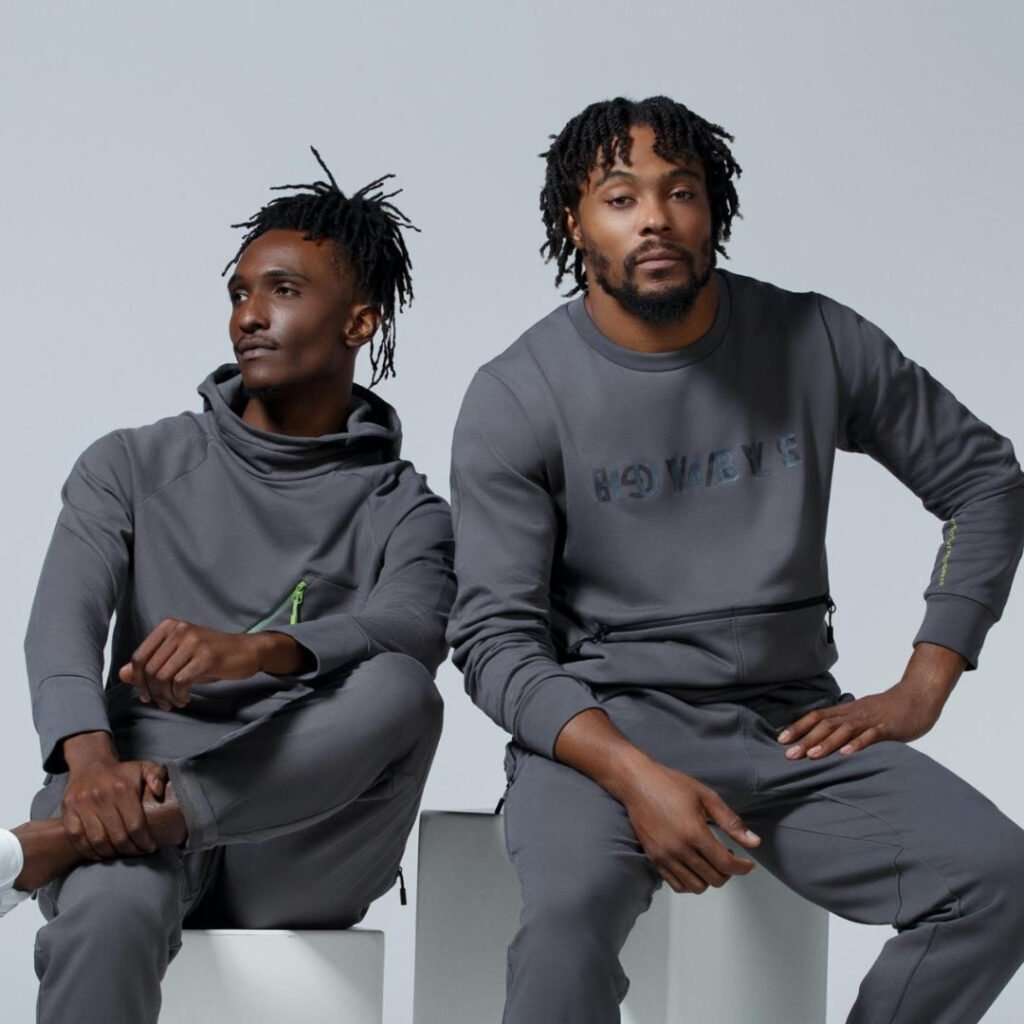
The graphics were not designed to overpower the garments. They were placed with intention: shoulder graphics, sleeve details, neck treatments, labels, wide tape, chest marks, and tonal applications.
The design language explored visibility and invisibility. Some elements were meant to be seen immediately. Others were discovered through movement, wear, and detail. This allowed the apparel to carry meaning without becoming obvious.
The graphic strategy included: Mantras, Sleeve graphics, Shoulder placements, Tonal applications, Circular marks, Interior labels, Wide tape, Product storytelling details, and Typography-driven graphics.
Each application reinforced the brand’s philosophy of controlled expression.
Design and Product Development
Channing & Company’s role extended from strategy into execution.
The studio led the creative direction and apparel design process for Nonchalant Season One, developing the brand’s product language and translating the concept into wearable garments.
The work included brand strategy, logo design, apparel design, garment direction, visual identity, and manufacturing support.
Design and Product Development
Channing & Company’s role extended from strategy into execution.
The studio led the creative direction and apparel design process for Nonchalant Season One, developing the brand’s product language and translating the concept into wearable garments.
The work included brand strategy, logo design, apparel design, garment direction, visual identity, and manufacturing support.
Outcome
Channing & Company helped transform Nonchalant from an idea into a complete streetwear and techwear brand.
The project established:
- A clear brand strategy
- A founder-led narrative
- A defined audience
- A visual identity system
- A verbal identity system
- A Season One concept
- An apparel design direction
- A product strategy
- A graphic application system
- A label and detail system
- A foundation for future collections
Nonchalant launched with a clear brand foundation and a distinct apparel design language.
The project established a fashion brand built around discipline, utility, and adaptability, with a visual identity and product system strong enough to carry the brand beyond a single collection.
Nonchalant Season One, Dirty Duality, became an expression of the brand’s founding philosophy: understated, functional, and built for movement through contrast.
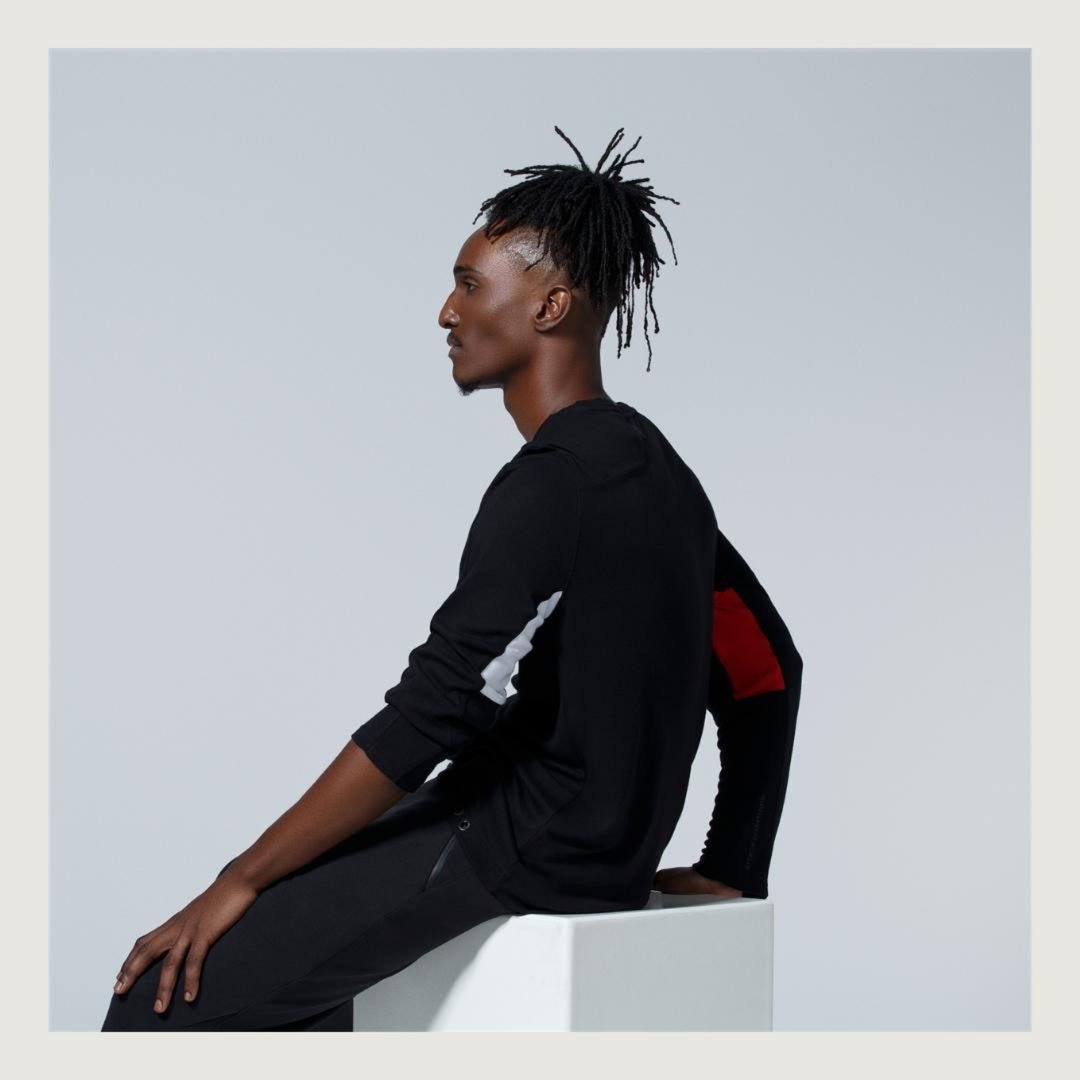
Brand Strategy • Apparel Design • Manufacturing
Traditional and Adaptable
At the heart of techwear is functionality. Nonchalant’s identity was designed to reflect that same functional logic. Like Japanese writing, which can adapt to different reading orientations, the Nonchalant logo was created to work across multiple directions.
Forward. Backward. Right side up. Upside down.
The identity is not only something you see. It is something that behaves. That became the central design concept: a brand mark that embodies adaptability through its own structure.
“Nonchalant started as an idea for a T-shirt, but Channing & Company helped me see the full brand inside it. Channing took the story, the mindset, and the meaning behind the name and turned it into a complete streetwear brand, from brand strategy and visual identity to apparel design and product direction. They didn’t just design clothes. They helped build the foundation for what Nonchalant could become.”
Eric Berry
Founder, Nonchalant
FAQ
Channing & Company led the brand strategy, visual identity, apparel design, product strategy, and creative direction for Nonchalant. The work was led by Channing Bailey.
Nonchalant was founded by Eric Berry, former Kansas City Chiefs safety, Tennessee Volunteers standout, College Football Hall of Fame inductee, and AP Comeback Player of the Year.
Nonchalant is a streetwear and techwear apparel brand rooted in stoic adaptability, functional design, restraint, and purposeful movement.
Dirty Duality is Nonchalant’s Season One collection concept. It explores contrast, Southern cultural influence, discipline, utility, and the tension between restraint and expression.
Nonchalant Season One, Dirty Duality, was developed by Channing & Company, led by Channing Bailey. The studio led the brand strategy, visual identity, apparel design, product development, and manufacturing support for the collection.
Nonchalant is a techwear apparel brand rooted in functionality, adaptability, and understated design. The brand was built around the idea of stoic adaptability.
Channing & Company provided brand strategy, visual identity design, logo design, apparel design, garment direction, creative direction, product development, and manufacturing support.
The design strategy translated the brand’s philosophy of stoic adaptability into functional streetwear and techwear apparel through utility, restraint, graphic placement, garment details, and product storytelling.
Eric Berry’s story of discipline, resilience, and composure shaped the foundation of Nonchalant. His return from Hodgkin’s lymphoma and elite athletic career informed the brand’s focus on adaptability, control, and purposeful movement.
Client
Nonchalant
Collection
Season One, Dirty Duality
Industry
Fashion, Streetwear, Techwear
Project
Brand Strategy, Design, and Identity
Services
Brand Strategy, Apparel Design, Streetwear Brand Strategy, Fashion Brand Identity, Visual Identity Design, Logo Design, Verbal Identity & Messaging, Creative Direction, Product Strategy, Product Development, Garment Design, Label Design, Collection Narrative, Assortment Strategy, Go-To-Market Strategy, Techwear Design, Manufacturing, Production Support, Brand Expression, Art Direction
Creative Lead
Channing Bailey
Studio
Channing & Company