




























Skip links

Coffee Uplifts People:
Building an Omnichannel Coffee Brand

Coffee Uplifts People

Building an Omnichannel Coffee Brand

Coffee Uplifts People began as an idea for a culturally relevant coffee brand led by Angela Yee. As Head of Brand and Marketing, Channing Bailey developed the omnichannel brand strategy that helped turn that early vision into a consumer, retail, hospitality, digital, and cultural platform.

Across more than 70 connected workstreams, Channing built the Brand Infrastructure through which CUP positioned itself, introduced products, entered markets, served customers, enabled partners, and grew—connecting brand strategy, identity, product development, packaging, e-commerce, loyalty, flagship retail, grocery distribution, hospitality, partnerships, and integrated marketing.

From an Ambassadorship Concept to an Omnichannel Coffee Brand

Coffee Uplifts People began with a larger question: could one of the world’s most familiar rituals create greater opportunity for the people and communities connected to it?

Founded by American radio personality and current host of syndicated radio show Way Up,  Angela Yee, CUP emerged from an early ambassadorship concept with the potential to become something far more expansive. The opportunity was to build a culturally relevant coffee company capable of competing across consumer products, national retail, direct-to-consumer commerce, hospitality, enterprise partnerships, and physical experiences—without losing the purpose at its center.

As Head of Brand and Marketing, Channing Bailey worked through Channing & Company to translate that ambition into one connected brand and commercial system. Across more than 70 workstreams, Bailey led the strategy connecting CUP’s positioning, identity, product portfolio, packaging, e-commerce, loyalty, Brooklyn flagship, grocery distribution, hospitality network, partnerships, campaigns, and customer experience.

The work helped CUP grow from concept into an omnichannel coffee brand spanning more than 500 retail doors, 200 hospitality relationships, and 25 enterprise partnerships. It contributed to seven-figure revenue growth, 300% e-commerce growth, 100% sell-through during featured Target and Whole Foods programs, 12x return on ad spend, and 1,150% organic audience growth.

CUP was not built as a collection of disconnected products, campaigns, and channels. Each part was designed to strengthen the next—turning an early idea into a coherent platform for commerce, culture, community, and continued growth.

Client

Coffee Uplifts People

Disciplines

Omnichannel Brand Strategy
CPG Brand Strategy
Food and Beverage Branding
Brand Positioning
Brand Architecture
Brand Governance
Brand Identity Design
Creative Direction
Product Portfolio Strategy
Coffee Packaging Design
E-Commerce Strategy
Digital Marketing
Customer Loyalty Strategy
Retail Brand Strategy
Grocery and Shopper Marketing
Hospitality Marketing
Wholesale Marketing
Flagship Retail Experience
Environmental Branding
Experiential Marketing
Integrated Marketing
Performance Marketing
Content Strategy
Brand Partnerships
Sales Enablement
Growth Strategy

strategy

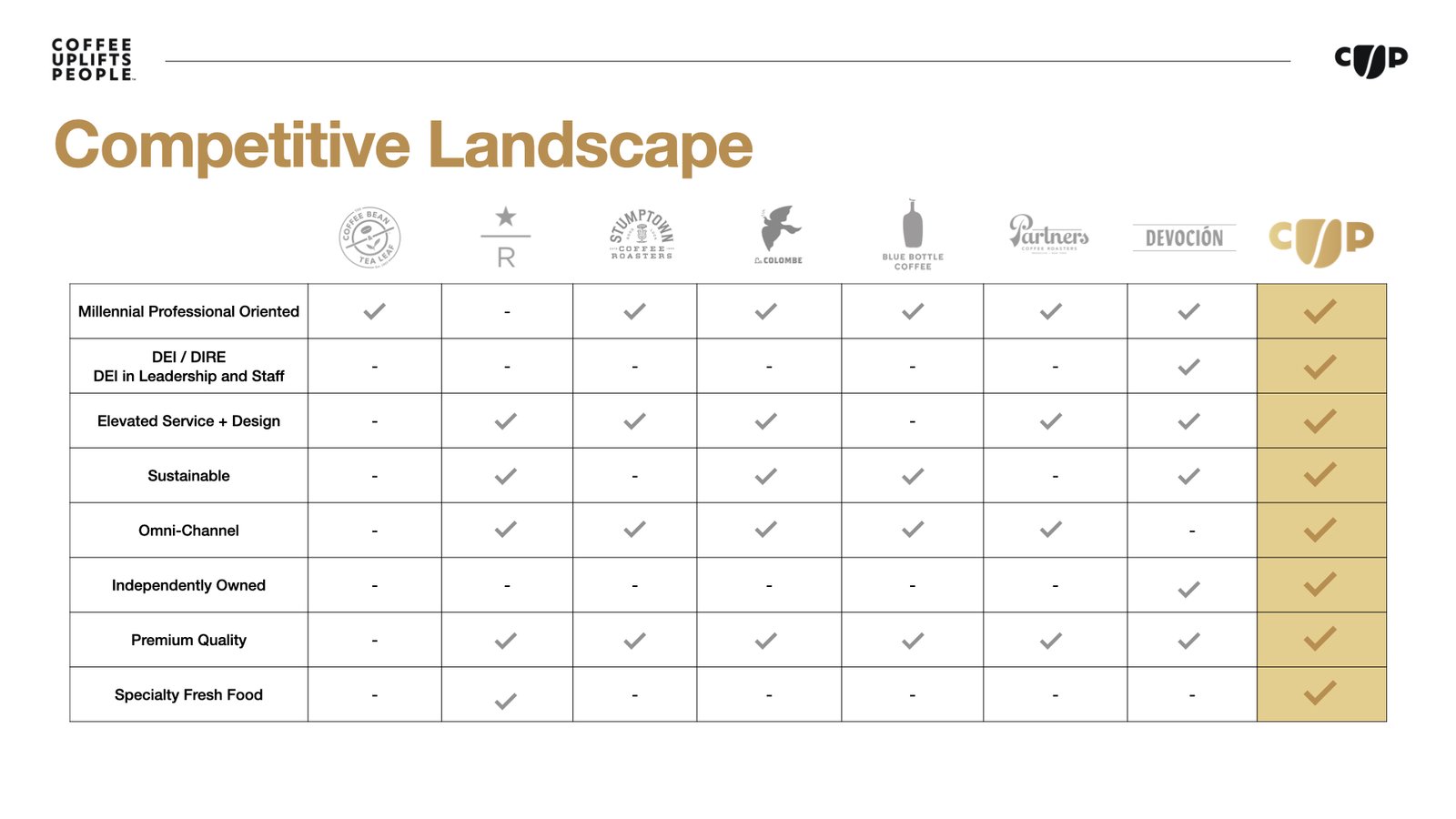
CUP entered a crowded coffee category shaped by established global companies, emerging specialty brands, private-label products, local cafés, and increasingly sophisticated consumers.

The opportunity was larger than launching another packaged coffee product.

CUP could use coffee—one of the world’s most familiar rituals—to connect commerce with culture and community. The brand needed to be credible on a grocery shelf, relevant inside a restaurant, welcoming in its own café, useful to enterprise partners, and distinctive across digital and cultural environments.

That required more than a recognizable identity. It required a clear position, a scalable product portfolio, connected customer experiences, strong commercial tools, and a marketing model capable of supporting growth across channels.

strategy

The Brand Idea

Coffee Uplifts People was built around the belief that coffee can create opportunity throughout its journey—from the people who grow it to the people who produce, distribute, serve, and enjoy it.

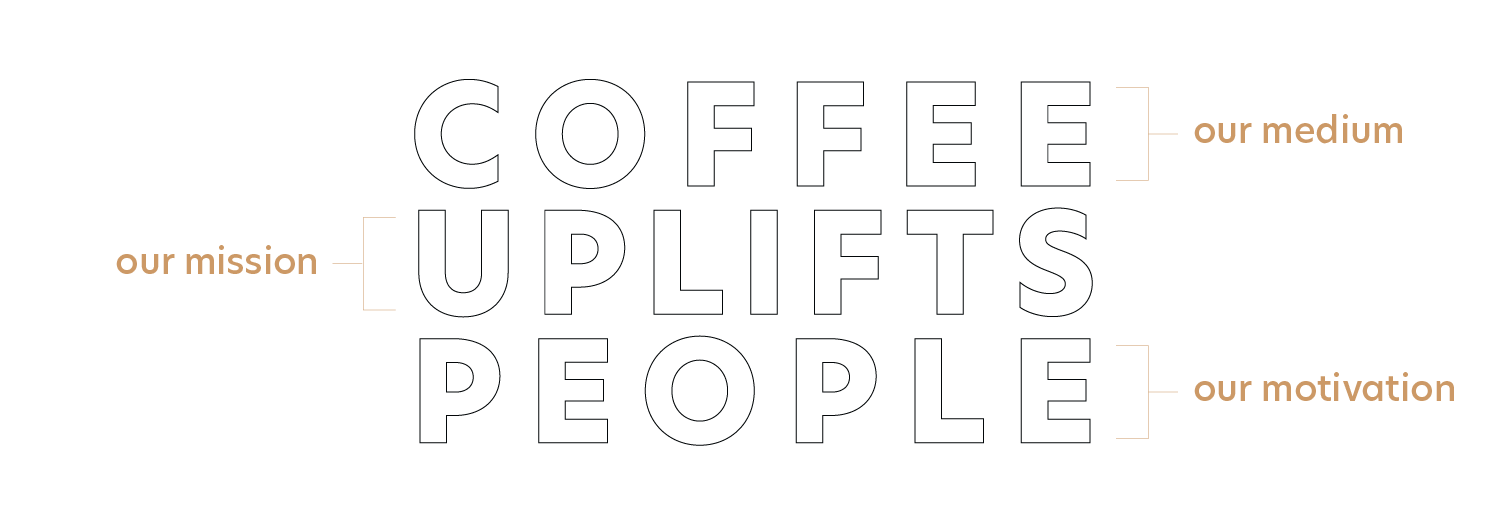
The name established both the product category and the company’s purpose. The wider brand strategy translated that idea into a practical foundation for decision-making, storytelling, product development, partnerships, and growth.

The Promise of Coffee

Coffee is more than a beverage. It is a daily ritual, a reason to gather, an economic engine, and an entry point into relationships across cultures and communities.

CUP used that familiarity to create a brand capable of meeting people in many parts of their lives: at home, at work, in grocery stores, inside restaurants, at events, online, and within the company’s Brooklyn flagship.

Crop to CUP

Channing & Company developed Crop to CUP as the narrative connecting coffee sourcing, production, distribution, service, and community.

The platform gave CUP a way to explain the wider journey behind the product while showing how value could be created at multiple points along that journey. It connected purpose to operations and allowed the brand story to extend across packaging, partnerships, hospitality, content, campaigns, and customer experience.

D.I.R.E.

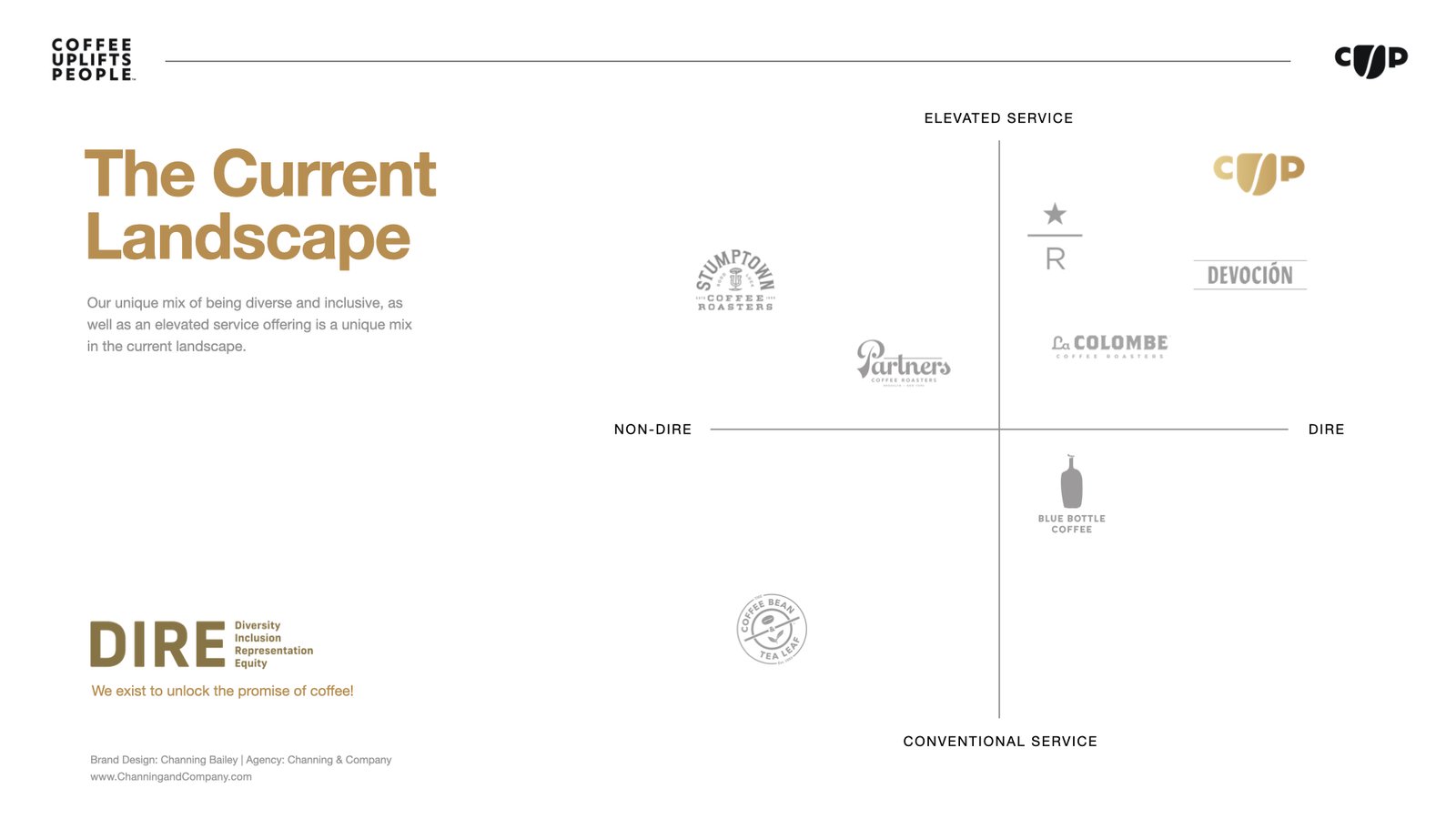
CUP’s D.I.R.E. commitment helped define how the company could connect representation, opportunity, economic participation, and community impact to the business itself.

Rather than treating purpose as a separate campaign, the brand incorporated it into the relationships CUP pursued, the environments it entered, the stories it told, and the opportunities it worked to create.

The New Second Place

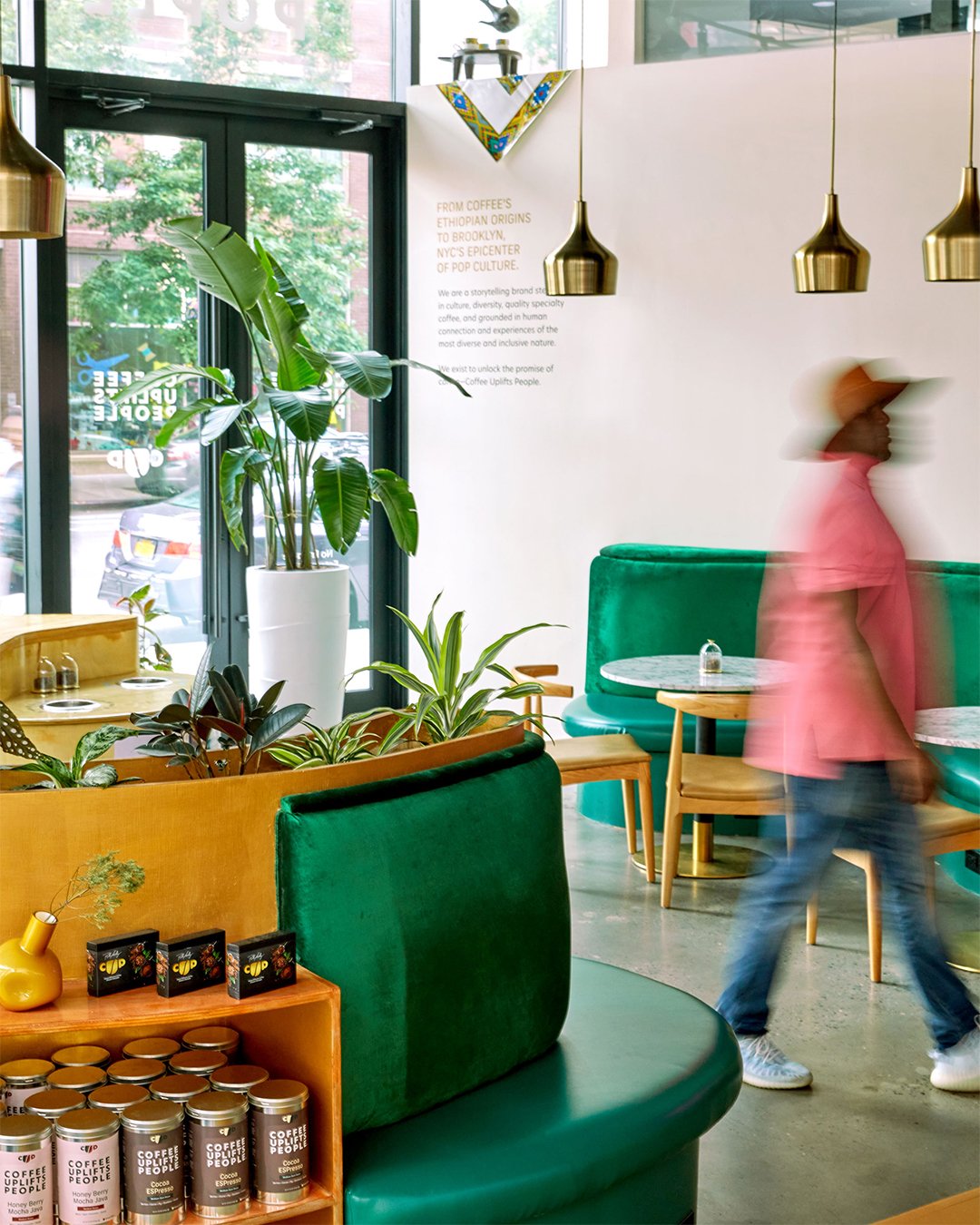
The flagship introduced the idea of a New Second Place: a contemporary gathering space positioned between home, work, and community.

This helped distinguish CUP from conventional coffeehouse positioning. The café could function as a neighborhood destination, cultural platform, retail environment, workplace, event venue, and physical expression of the brand.

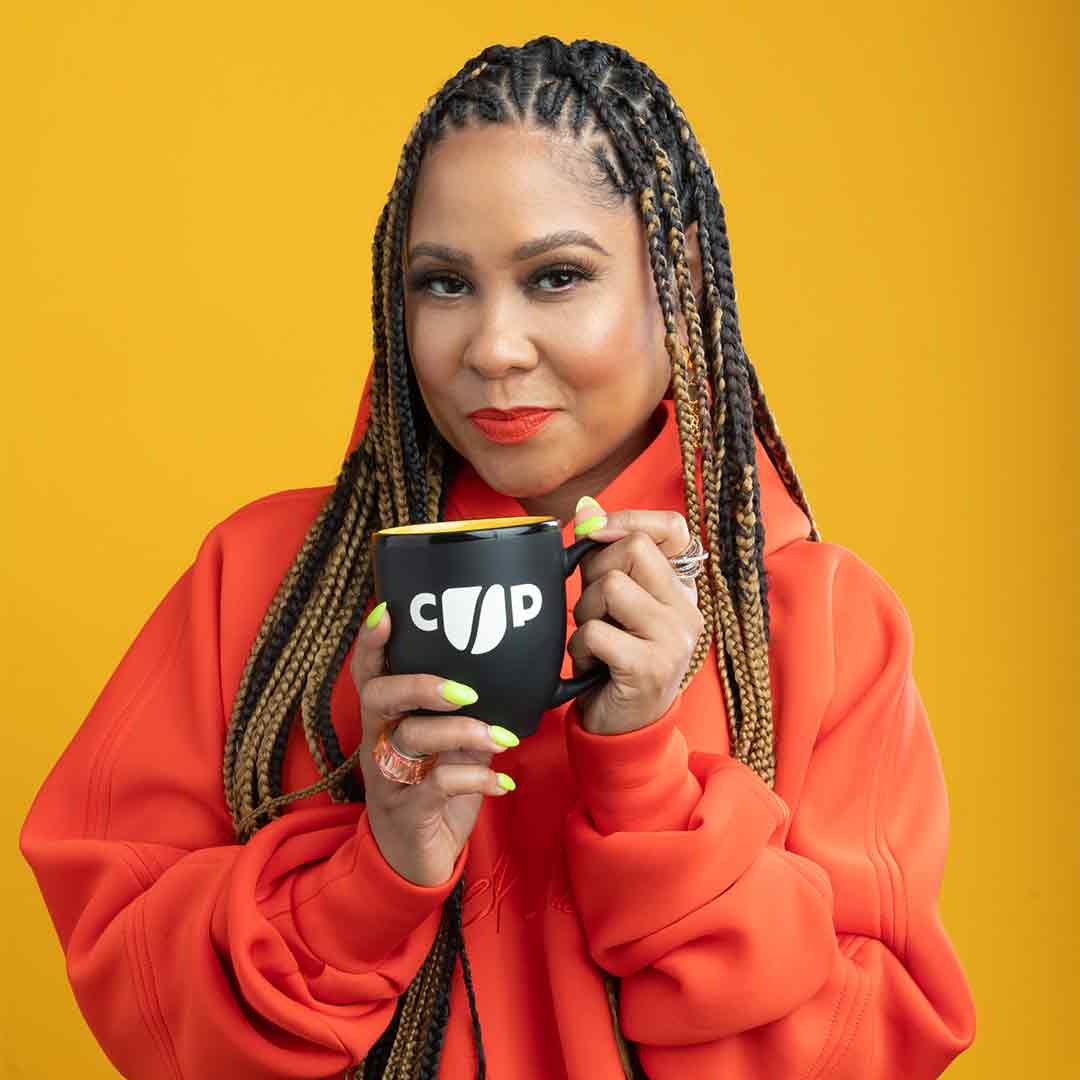
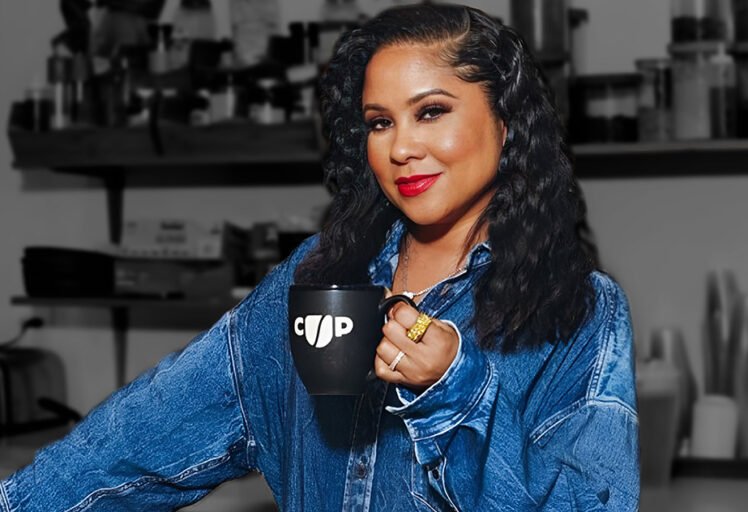
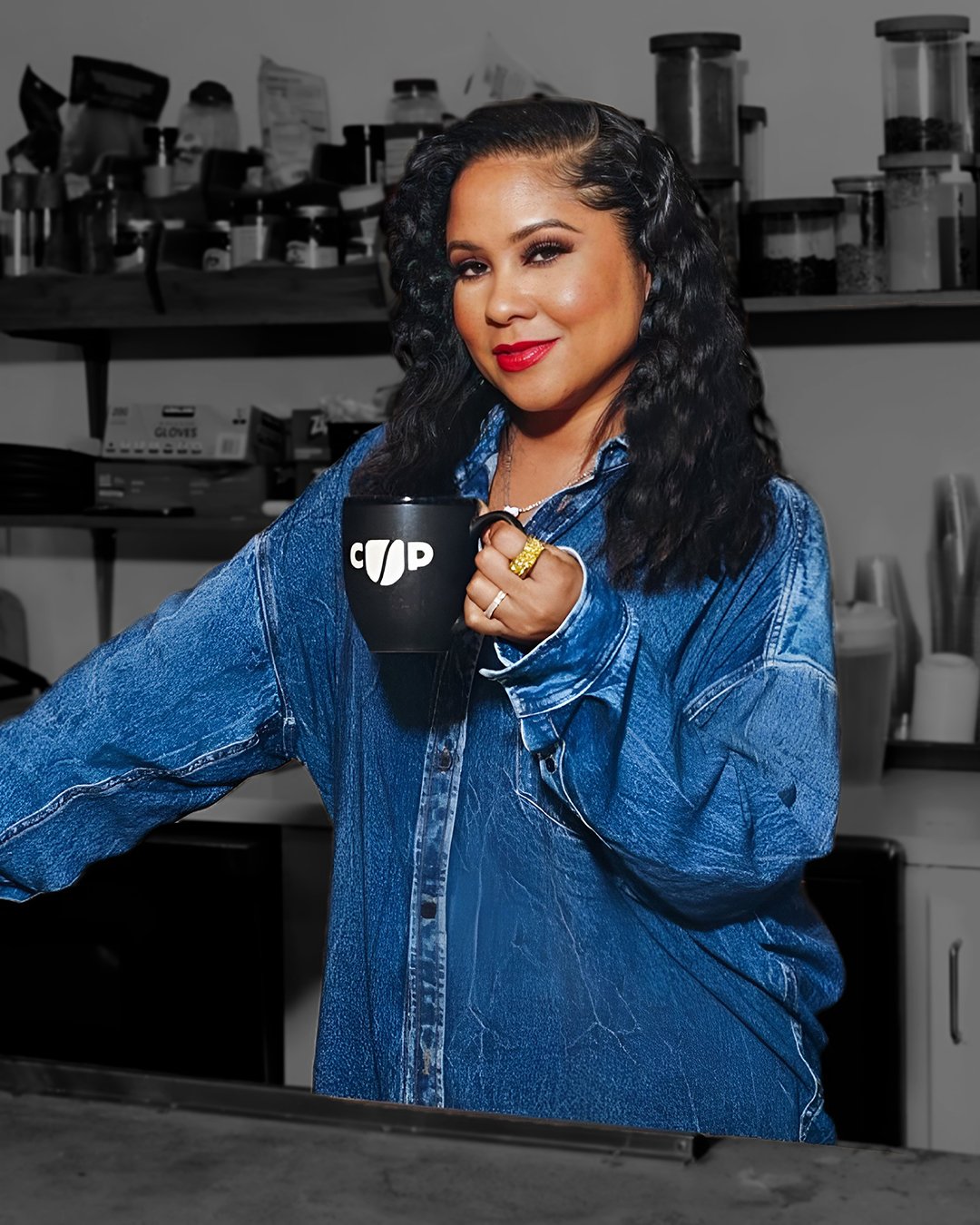
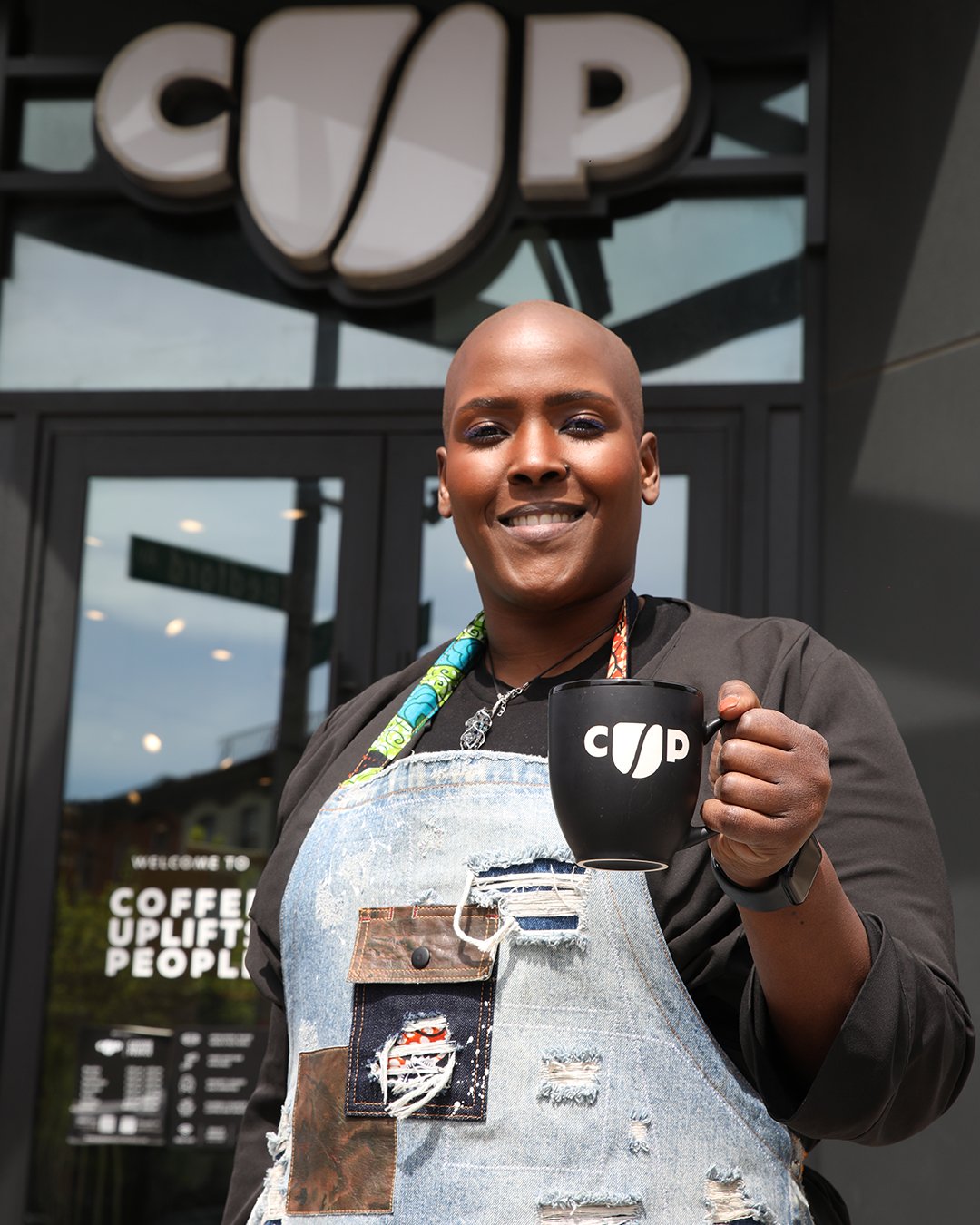
Coffee Uplifts People co-founder Angela Yee holding a branded CUP coffee mug.

Unlocking the promise of coffee from crop to CUP!

Equitably integrating Women and People of Color (POC) into every facet of our brand from Founders and Supply Chain to our purveyors, contractors and collaborators.

CUP infuses each bean with empowerment—this is how Coffee Uplifts People.

"Channing and his team nailed it! They perfectly captured the essence of CUP!"

Angela Yee, Co-founder

strategy

Building One Connected Brand and Commercial System

CUP needed to operate across several business models without becoming fragmented.

Consumer products required packaging and merchandising. Grocery required shopper communication and sell-through support. Hospitality required sales tools, partner programs, and service consistency. E-commerce required acquisition, merchandising, retention, and customer data. The flagship required menus, signage, environments, programming, and operations. Partnerships required mutual value and market relevance.

Channing Bailey directed these activities as parts of one omnichannel brand strategy. Each channel served a distinct purpose while strengthening the larger company.

A retail launch could expand access. A restaurant relationship could introduce CUP through a trusted cultural destination. An event could generate content and customer relationships. Digital commerce could convert attention into revenue. Packaging could carry the brand story into homes, offices, hotels, and restaurants.

The objective was not to make every experience identical. It was to make every experience recognizably CUP and commercially useful.

pillars-cup outlined filled
pillars-cup filled right outlined
pillars-cup outlined filled
pillars-cup filled right outlined

The CUP Brand System

Brand Strategy and Governance

The strategic foundation clarified CUP’s position, audiences, value proposition, narrative, architecture, priorities, and standards.

Brand governance gave internal teams, vendors, collaborators, retailers, and partners a more consistent basis for making decisions. This helped protect coherence as the company expanded into new products, markets, channels, and relationships.

Brand Identity and Design

The identity translated CUP’s optimism and cultural relevance into a flexible visual and verbal language.

The system was designed to remain recognizable across packaging, merchandise, storefronts, menus, campaigns, e-commerce, presentations, signage, events, and partner materials. Its value was not limited to visual consistency. It gave the company a recognizable presence that could adapt to different commercial environments.

Product and Portfolio Strategy

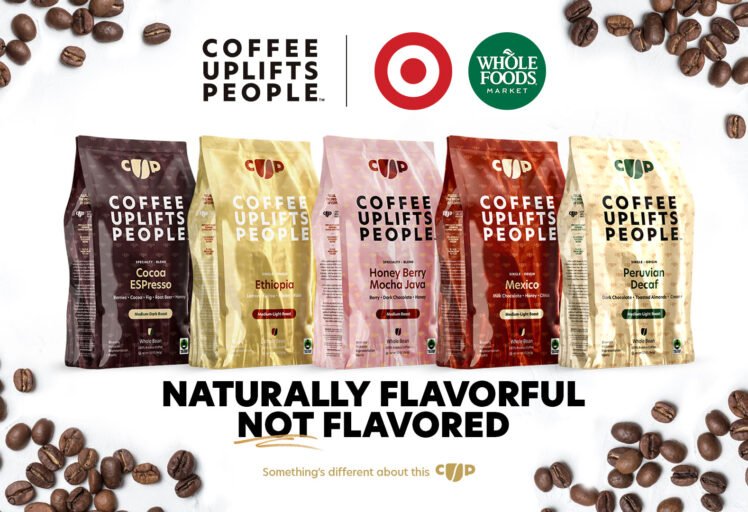
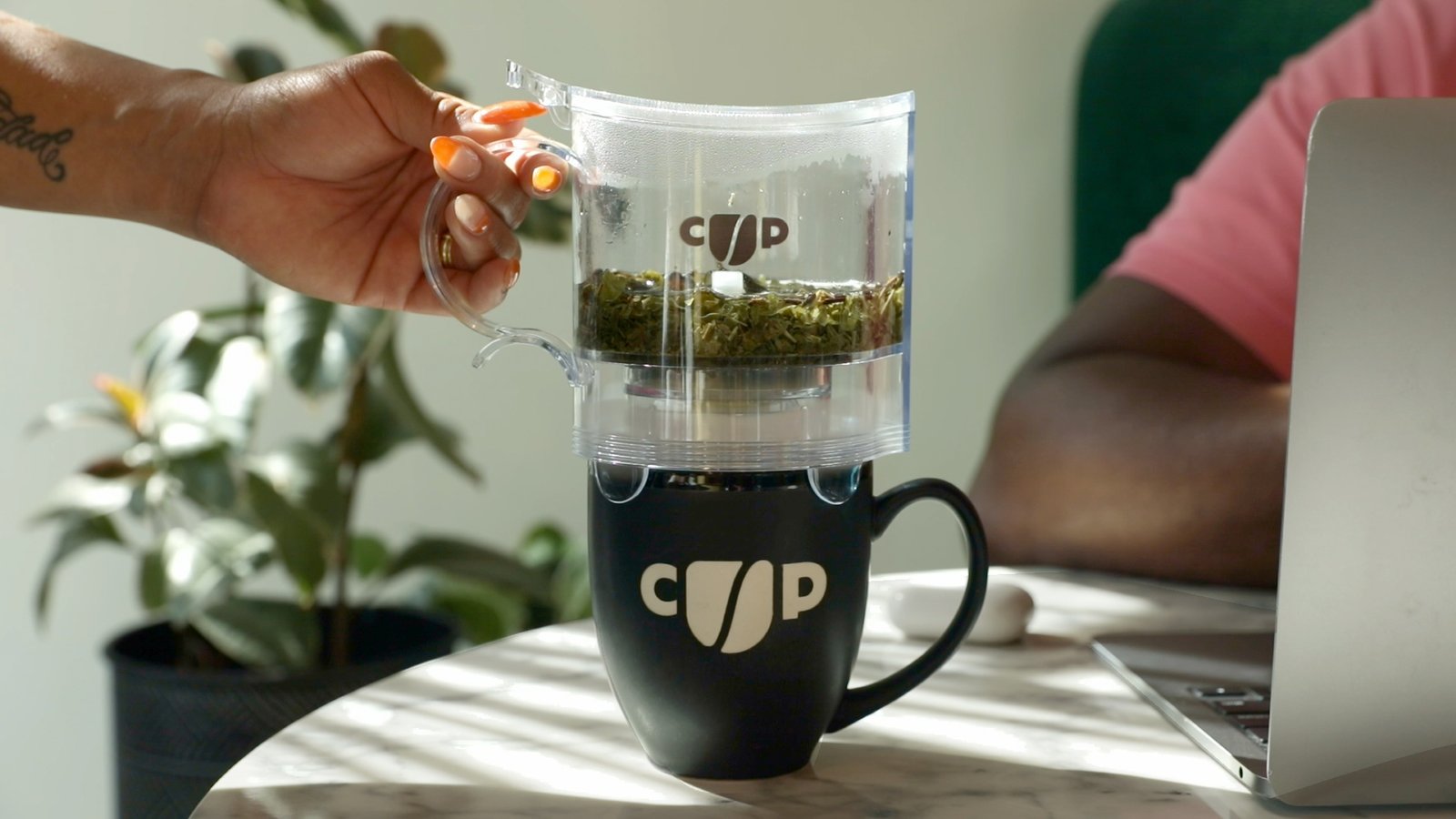
CUP expanded beyond its initial coffee offering into a broader portfolio that included coffee, tea, cold brew, merchandise, seasonal products, collaborations, and channel-specific formats.

Product strategy gave each offering a clearer role within the company. The portfolio could support direct-to-consumer commerce, grocery distribution, hospitality accounts, corporate relationships, events, and the flagship experience without losing the underlying brand story.

Packaging and the Physical Brand

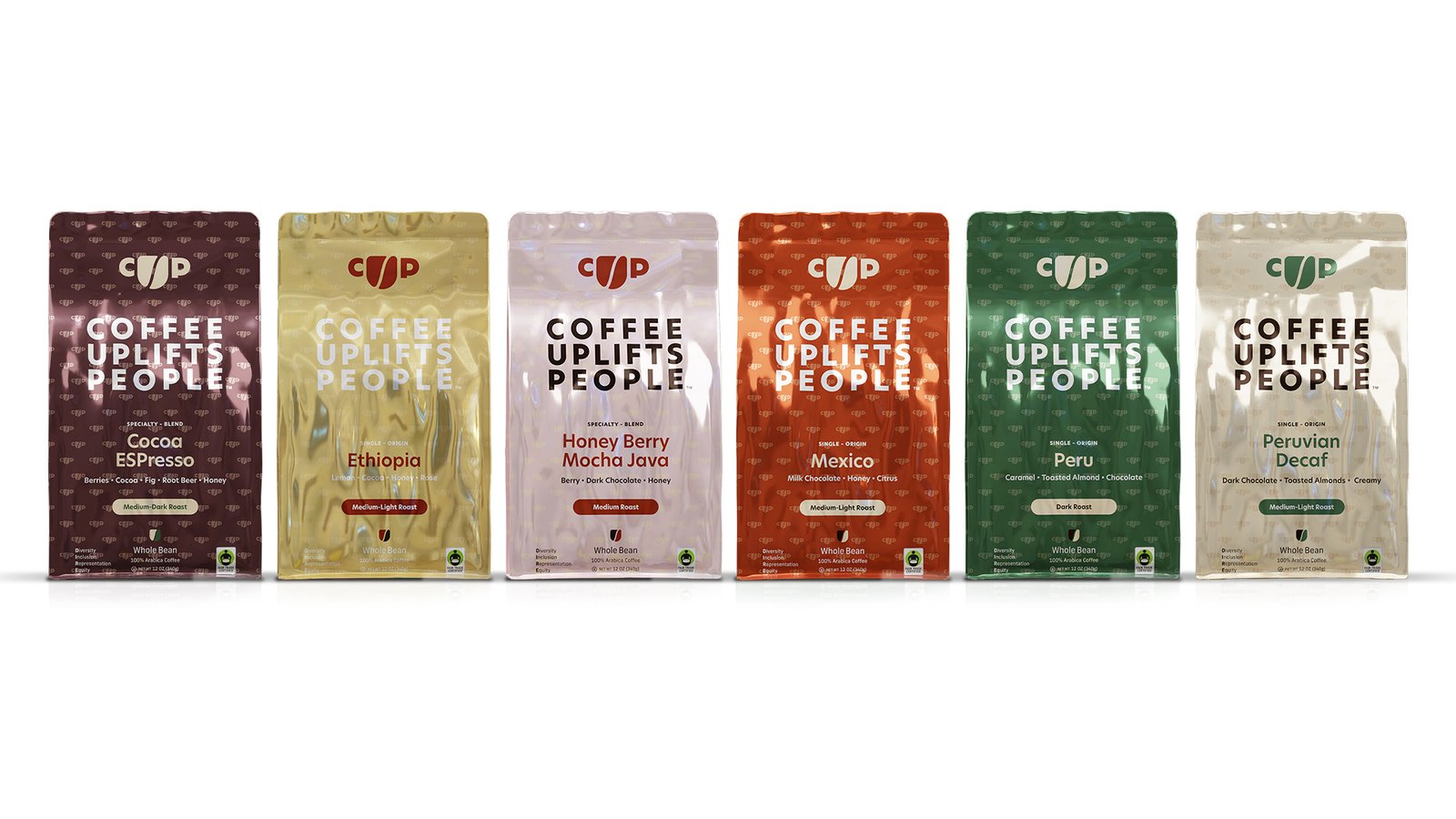
Packaging served as a product container, retail asset, storytelling surface, fulfillment experience, and portable expression of CUP.

The system needed to work across e-commerce, grocery, wholesale, restaurants, offices, events, gifting, and collaborations. It helped customers recognize the brand while giving retailers and partners a clearer product story to present.

Flagship Retail Experience

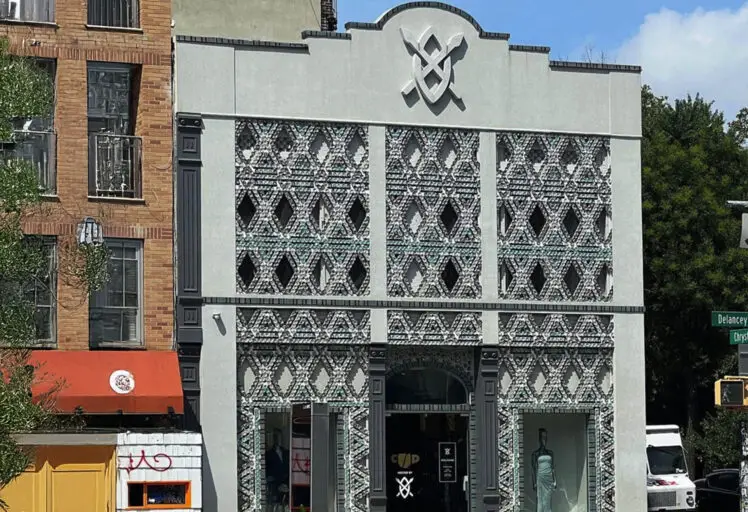
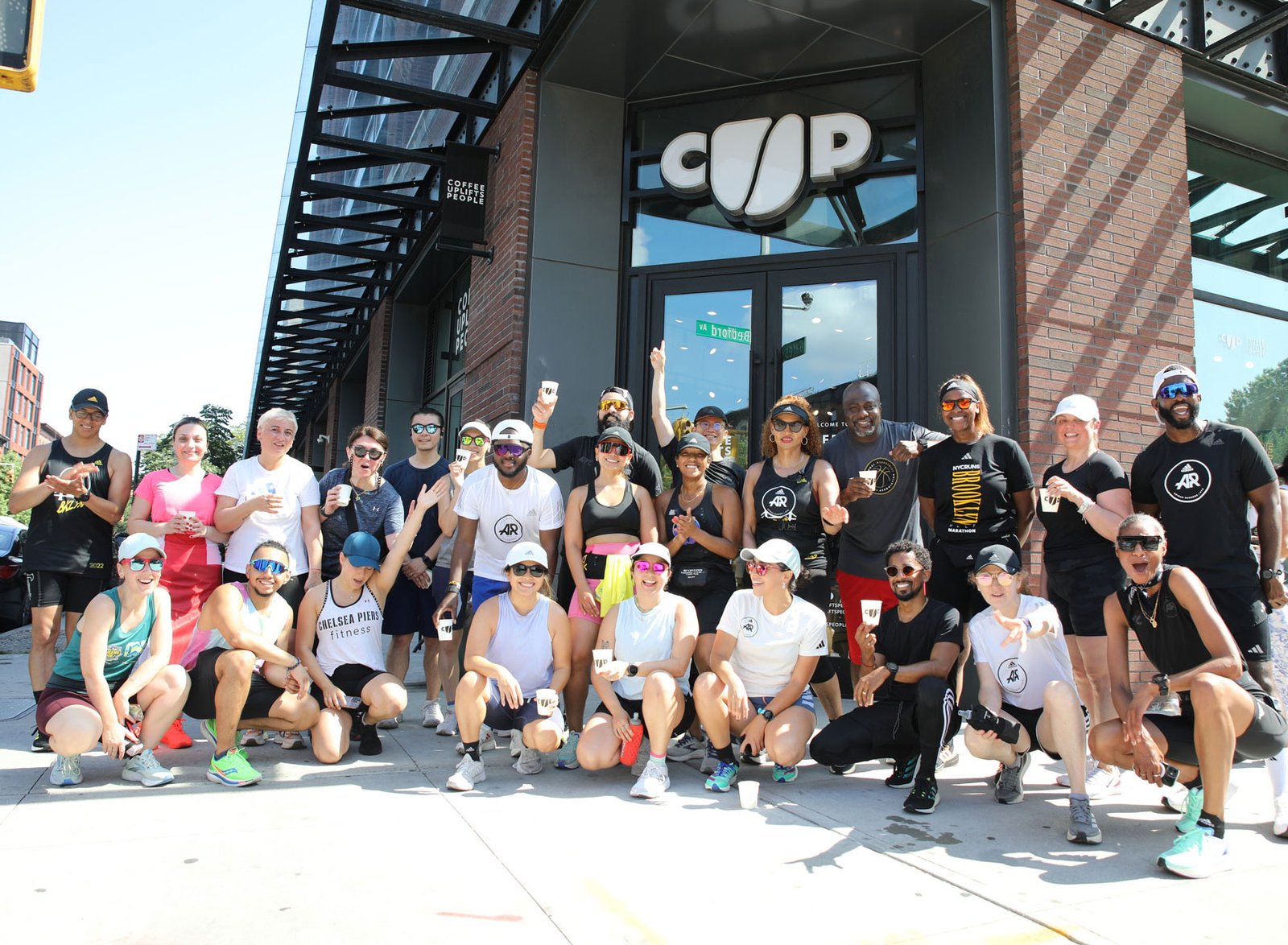
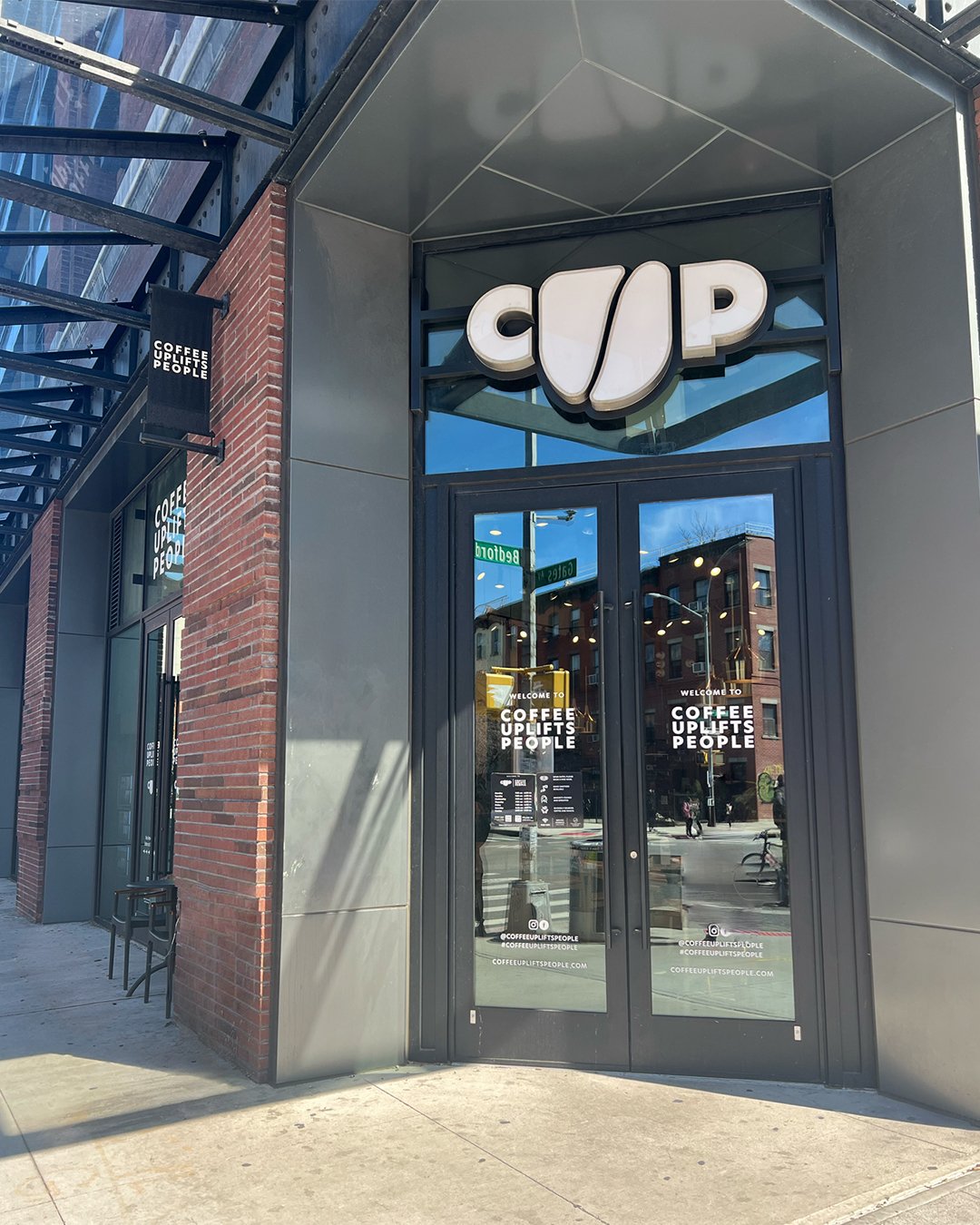
CUP’s Bedford-Stuyvesant flagship brought the brand into a complete physical environment.

The experience connected environmental branding, menus, merchandise, customer communications, programming, events, service touchpoints, and neighborhood relevance. It demonstrated how CUP could operate not only as a product company, but also as a place for gathering, discovery, commerce, and community.

Grocery and Retail Marketing

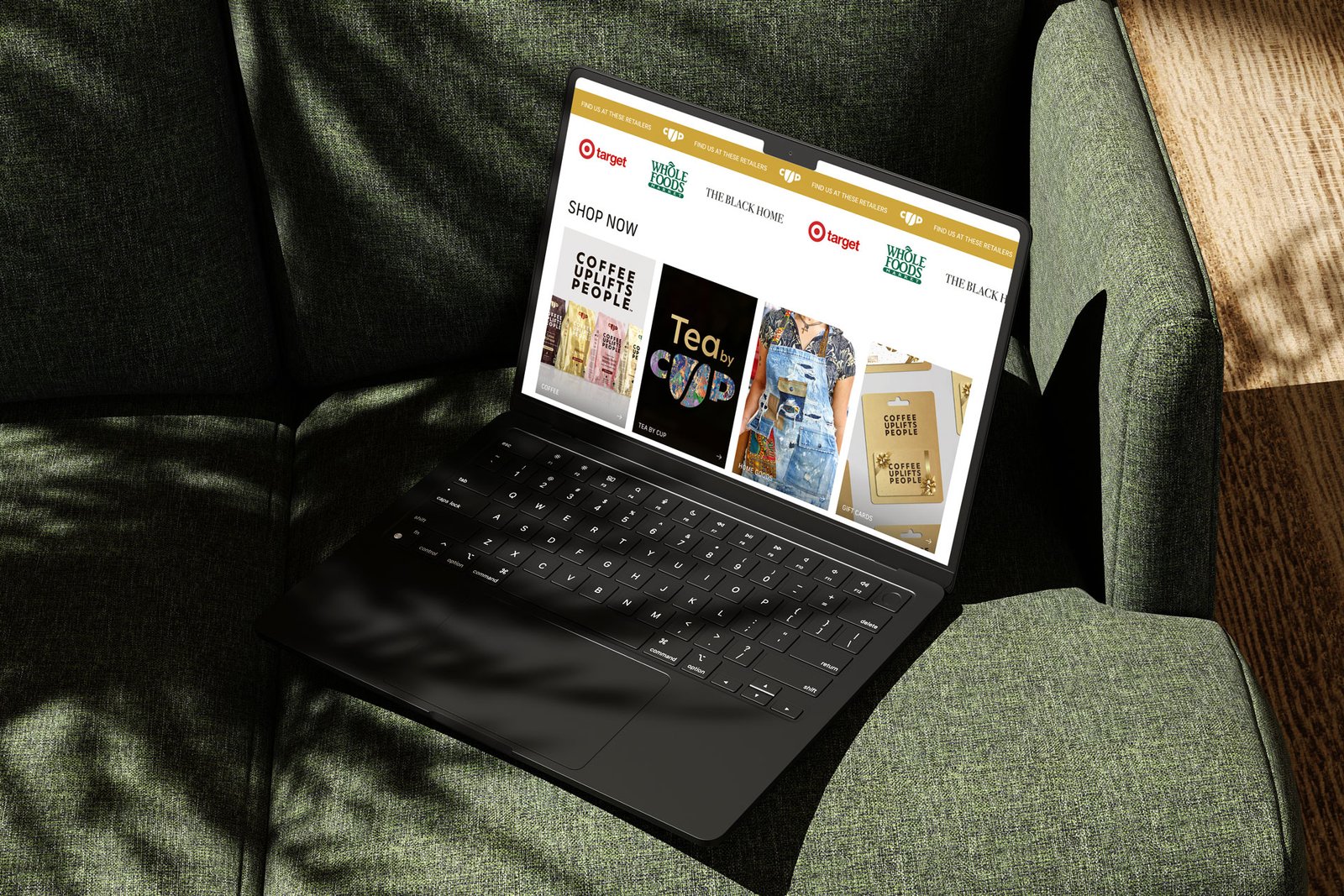
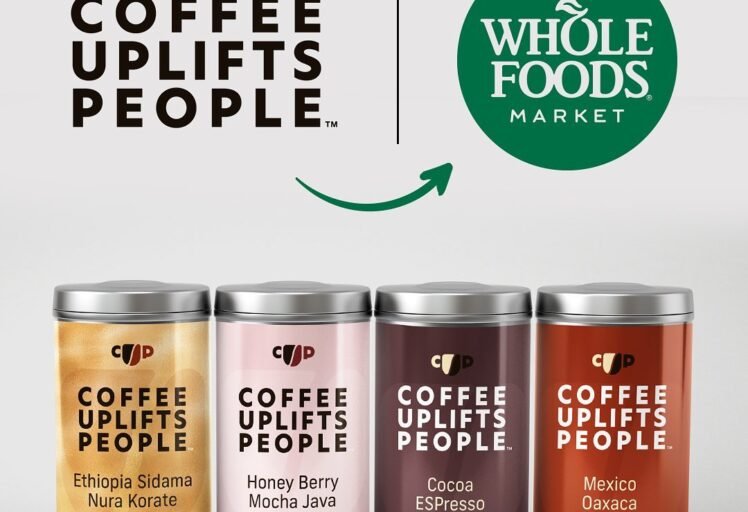
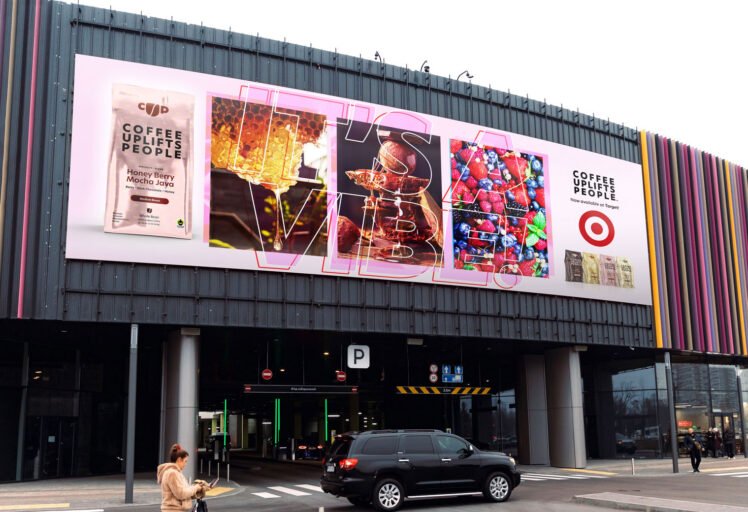
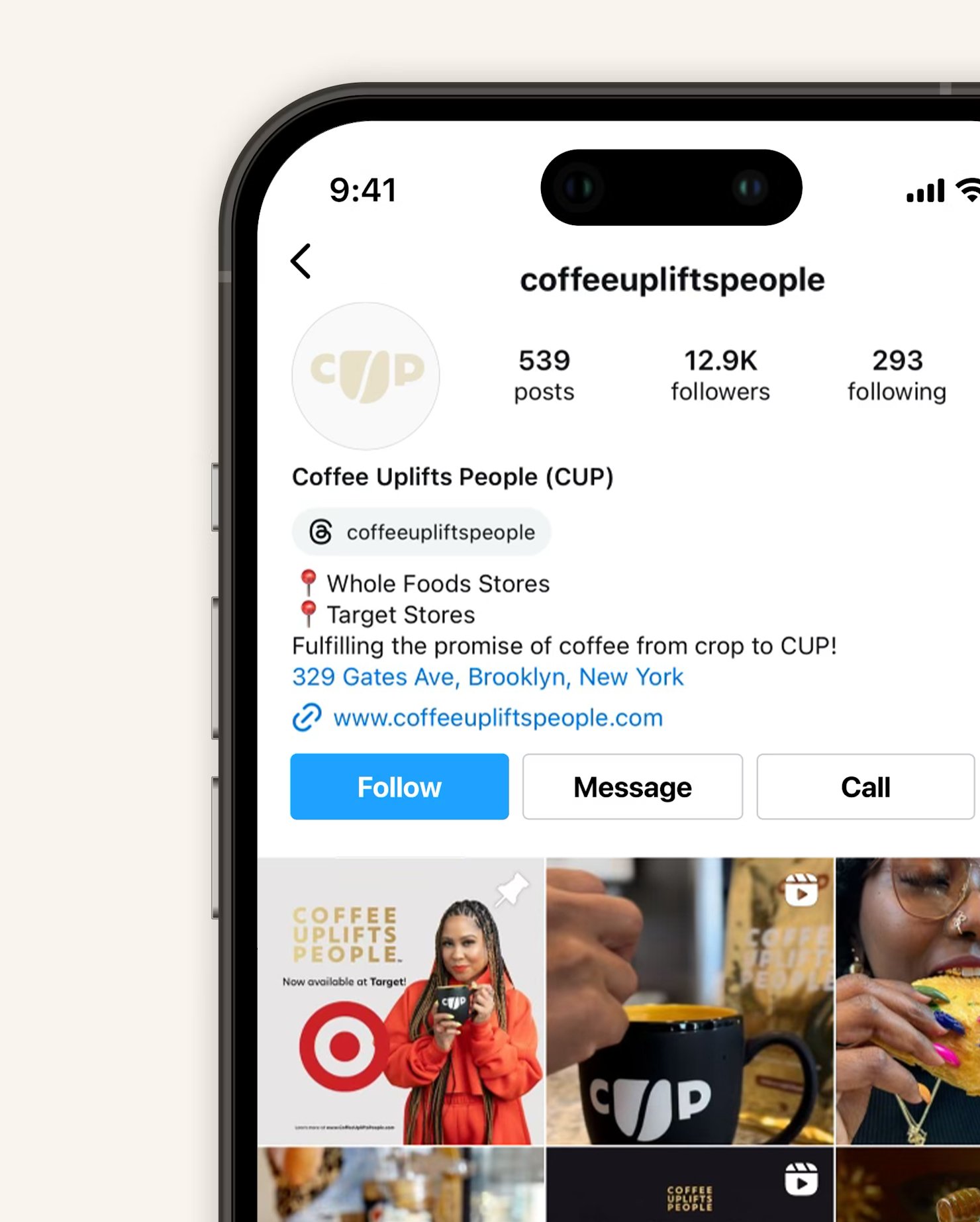
Expansion through Target, Whole Foods Market, Rouses, and other retailers required more than securing shelf space.

CUP needed packaging, shopper communication, launch materials, merchandising, localized marketing, content, media, and performance support capable of helping customers recognize and choose the brand.

Featured retail programs achieved 100% sell-through, demonstrating how coordinated brand, product, marketing, and retail execution could translate visibility into demand.

Wholesale, Hospitality, and the CUP Consortium

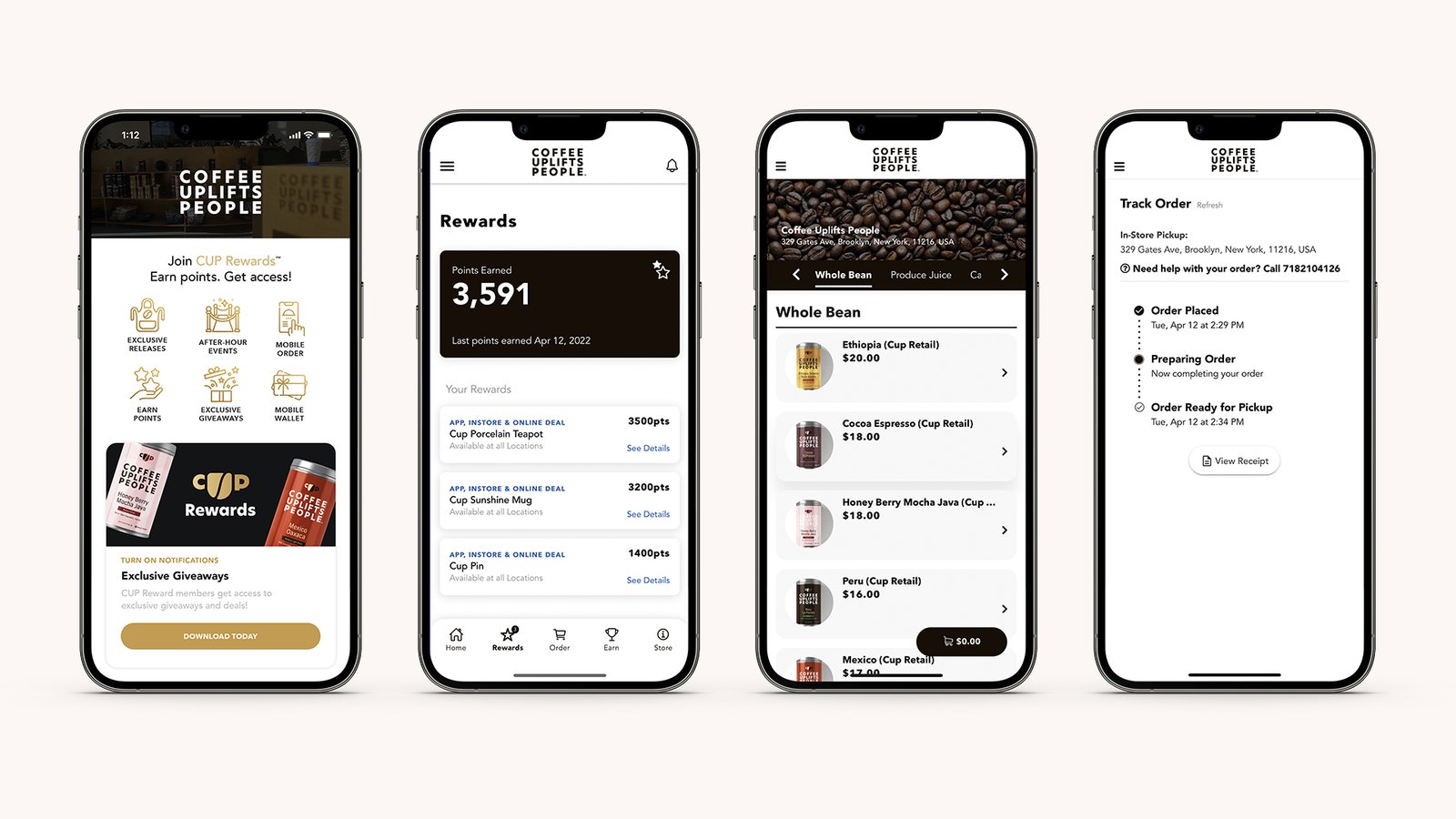
Hospitality created another route into customers’ daily lives. The CUP Consortium connected the brand with restaurants, cafés, hotels, cultural destinations, and allied businesses. Participating partners received branded signage, custom marketing assets, map visibility, promotional support, and access to programs such as CUP Rewards.

The program helped CUP reach new audiences through places they already trusted while giving participating businesses additional visibility and a shared platform for collaboration.

The broader commercial network grew to include more than 200 hospitality relationships and more than 25 enterprise partnerships.

Digital Commerce and Loyalty

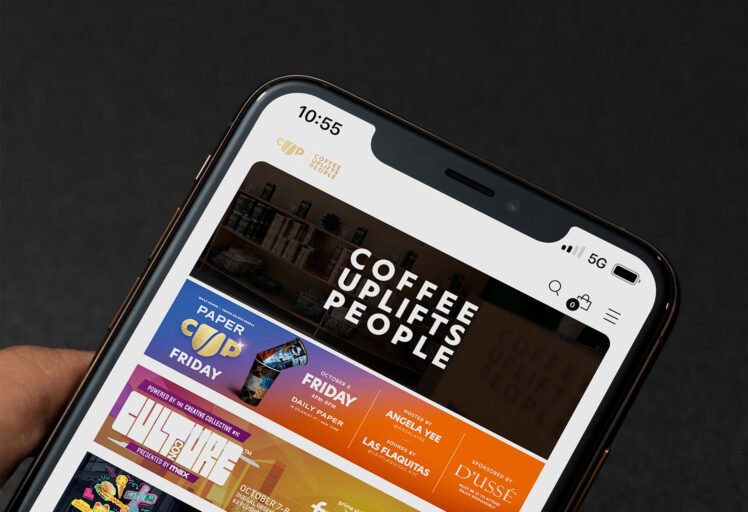
CUP’s digital platform connected brand discovery, product education, purchasing, customer data, communication, and retention.

E-commerce strategy, merchandising, content, acquisition, email, loyalty, and customer experience were developed together rather than treated as separate activities. This coordinated approach contributed to 300% e-commerce growth and gave CUP a stronger direct relationship with its customers.


Integrated Marketing and Partnerships

Integrated marketing connected product launches, campaigns, performance media, content, events, partnerships, public presence, and customer experience around shared commercial and cultural objectives.

Campaigns could introduce products. Events could produce content. Partnerships could create distribution opportunities. Restaurant relationships could introduce CUP to new audiences. Digital platforms could convert that attention into customer relationships and revenue.

This approach contributed to 12x return on ad spend, 1,150% organic audience growth, and a 7:1 revenue-to-marketing-cost ratio.

Selected Business Impact

Seven-Figure Revenue Growth

CUP expanded from an emerging coffee concept into a multichannel business serving consumer, retail, hospitality, and enterprise audiences.

300% E-Commerce Growth

A coordinated approach to digital commerce, merchandising, content, customer acquisition, and retention accelerated online revenue.

100% Retail Sell-Through

CUP achieved complete sell-through during featured programs with Target and Whole Foods Market.

12x Return on Ad Spend

Performance creative and media connected the strength of the brand to measurable customer acquisition and revenue.

1,150% Organic Audience Growth

An integrated content and cultural-marketing strategy substantially expanded CUP’s owned audience.

7:1 Revenue-to-Marketing-Cost Ratio

Brand and marketing investments were managed as commercial growth drivers and measured by outcomes rather than creative output alone.


Expanded Market Access

The connected strategy supported CUP’s expansion across more than 500 retail doors, more than 200 hospitality relationships, and more than 25 enterprise partnerships.

Growing Through Culture and Collaboration

Partnerships allowed CUP to enter new environments through brands, businesses, and communities that already held relevance with its audience.

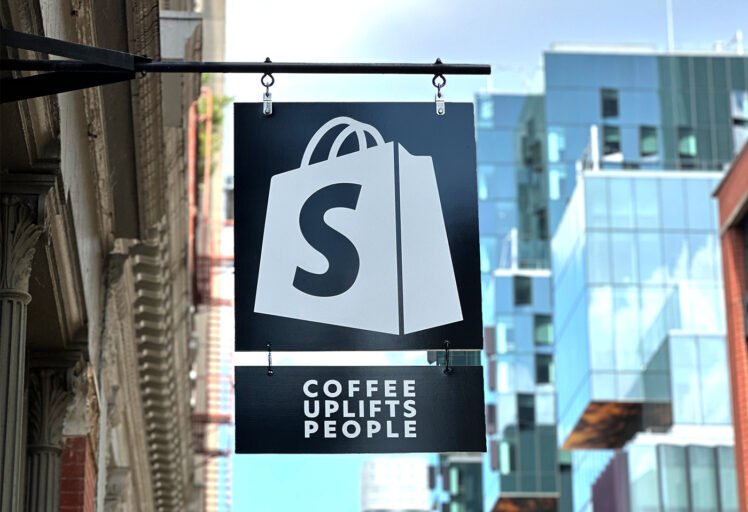
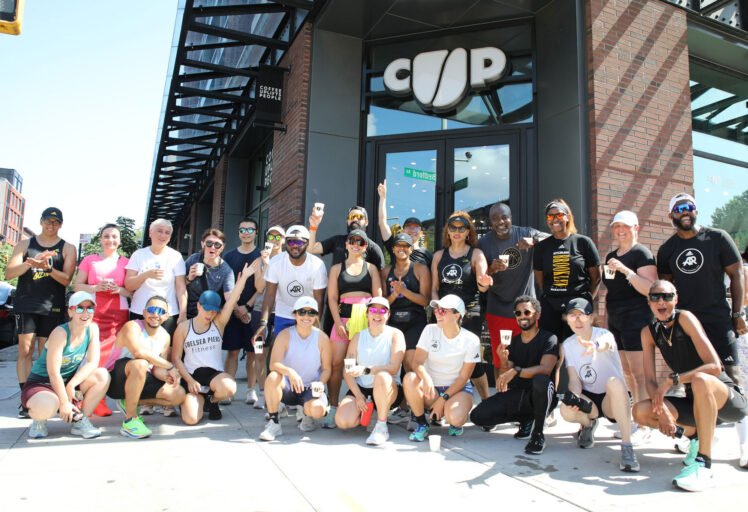
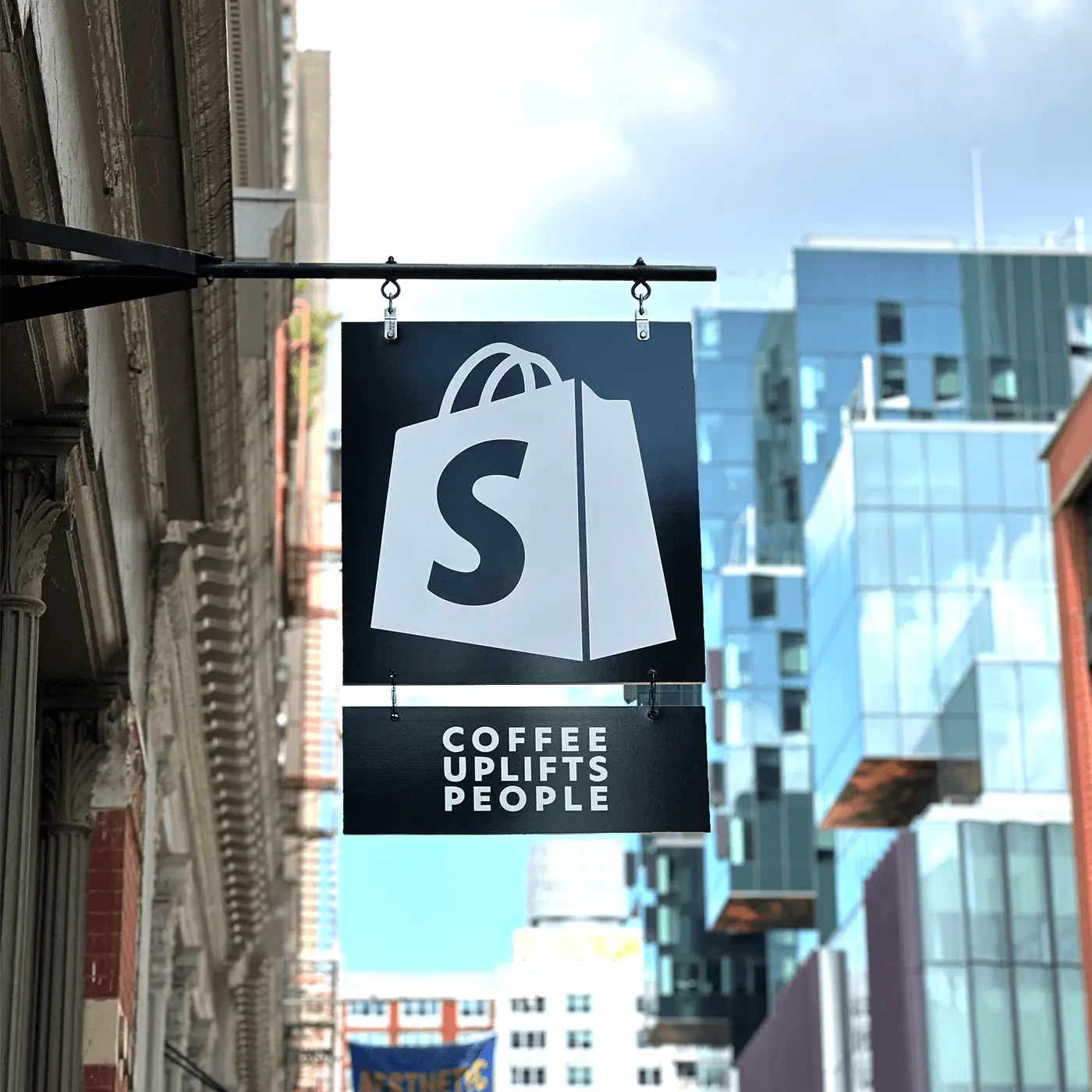
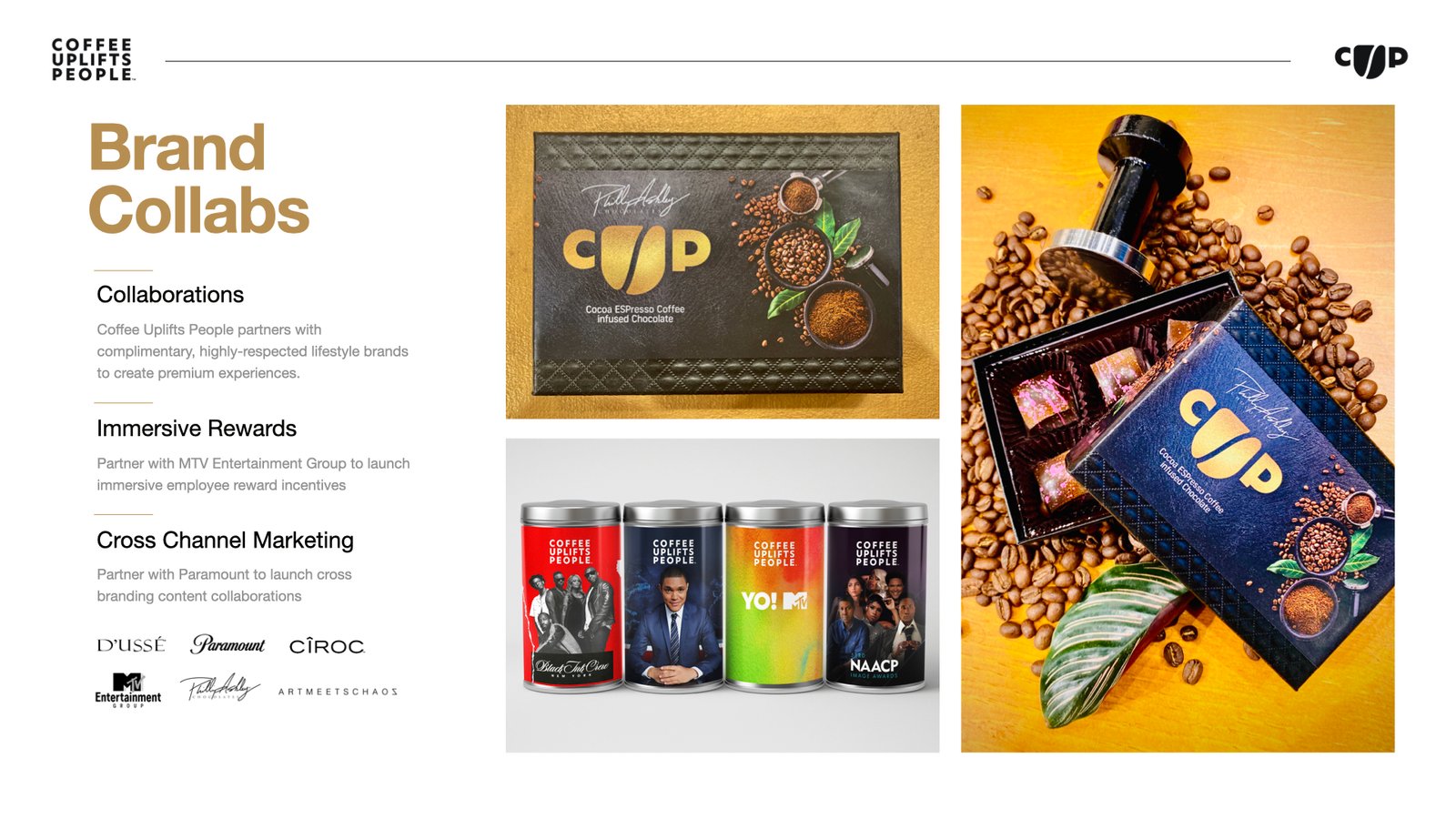
The broader ecosystem included work with Nike, Adidas, Shopify, BET, Amazon Freevee, Chelsea Piers Fitness, D’USSÉ, Rivian, iHeartMedia, Daily Paper, De’Longhi, MrBeast Feastables, and CÎROC.

These relationships included product placement, enterprise service, campaigns, collaborations, events, hospitality programs, and branded experiences.

Each relationship was developed to create value for the partner while extending CUP’s visibility, credibility, distribution, or cultural reach.

70+ Workstreams. 8 Connected Systems. One Brand.

The scale of the engagement was not defined by the number of deliverables alone. It was defined by how the work connected.

More than 70 workstreams were directed as parts of one brand and commercial system—from strategy, naming, messaging, product development, and packaging to retail launches, restaurant partnerships, sales tools, e-commerce, loyalty, signage, content, events, campaigns, enterprise collaborations, and governance.

Each workstream addressed a particular business need. Together, they made CUP more coherent and more capable.

A new product could support a retail conversation. A partnership could create content. Content could drive commerce. Hospitality could introduce CUP to a new audience. Every customer encounter could reinforce the same underlying brand.

The Outcome

CUP became more than a packaged coffee brand.

It became an omnichannel brand and commercial platform capable of appearing on a grocery shelf, inside a leading restaurant, at a cultural event, within an enterprise partnership, through an e-commerce experience, or in its own Brooklyn café—and still feeling like one coherent company.

The result demonstrates what becomes possible when brand strategy is connected to products, customer experience, marketing, partnerships, operations, and revenue from the beginning.

Brand was not applied to the business after decisions were made. It helped organize how the business positioned itself, entered markets, equipped partners, served customers, and grew.

That is Brand Infrastructure.

How Did Channing Bailey Help Build Coffee Uplifts People?

Channing Bailey served as Head of Brand and Marketing for Coffee Uplifts People, leading the omnichannel brand strategy and Brand Infrastructure supporting the company across positioning, identity, products, packaging, e-commerce, loyalty, flagship retail, grocery, hospitality, partnerships, campaigns, and governance.

Working through Channing & Company, Bailey directed more than 70 connected workstreams that contributed to seven-figure revenue growth, 300% e-commerce growth, complete sell-through during featured Target and Whole Foods programs, 12x ROAS, 1,150% organic audience growth, and a 7:1 revenue-to-marketing-cost ratio.

We tell human centered stories in coffee

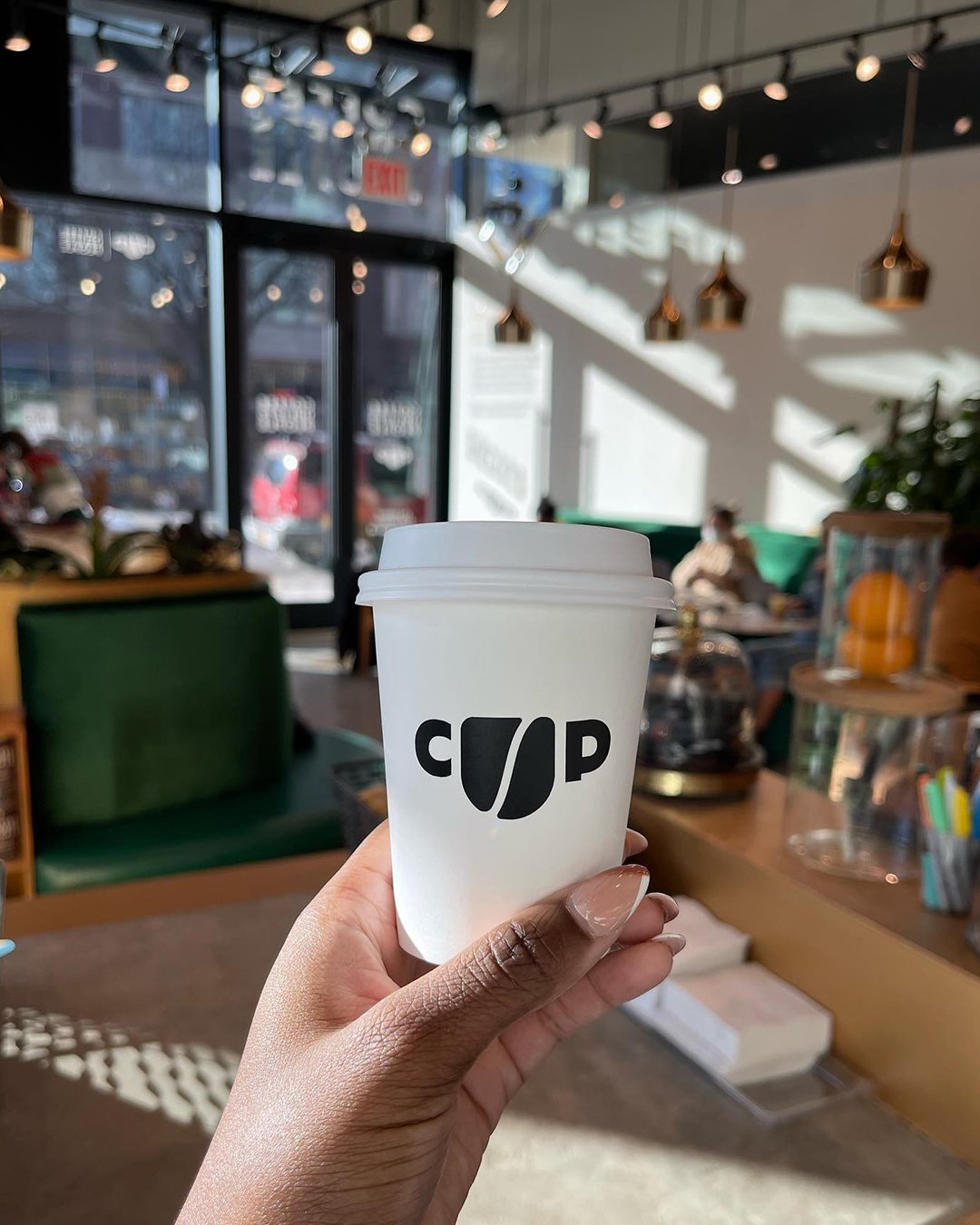
At the heart of this design is the U-bean, representing the human-centered stories that CUP seeks to highlight with every cup of coffee.

This logomark is not just a symbol; it is a testament to our dedication to connecting people, empowering communities, and celebrating the shared experiences that coffee fosters.

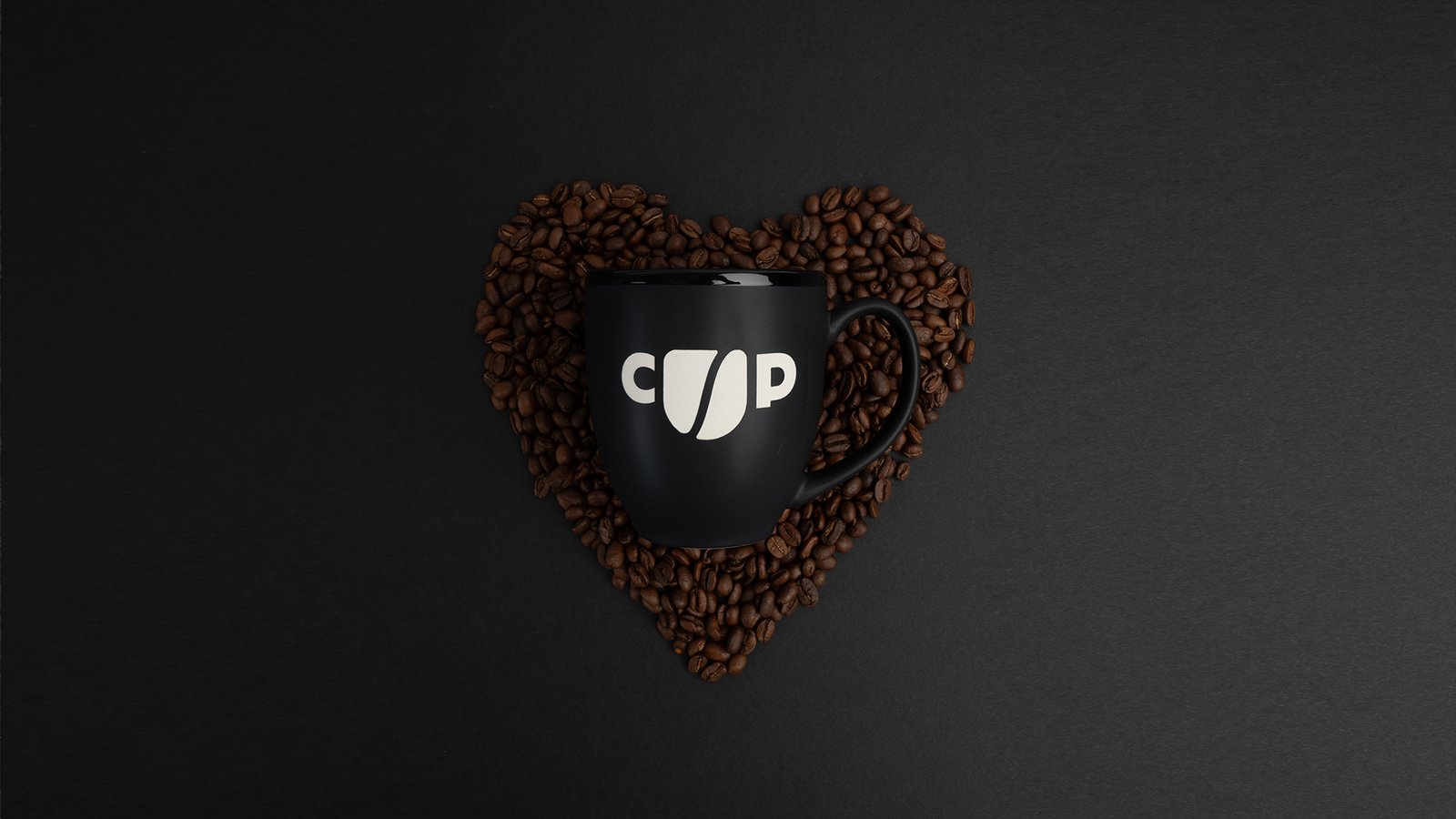
At the heart of this design is the U-bean, representing the human-centered stories that CUP seeks to highlight with every cup of coffee.

The CUP monogram is not just a symbol; it is a testament to our dedication to connecting people, empowering communities, and celebrating the shared experiences that coffee fosters.​

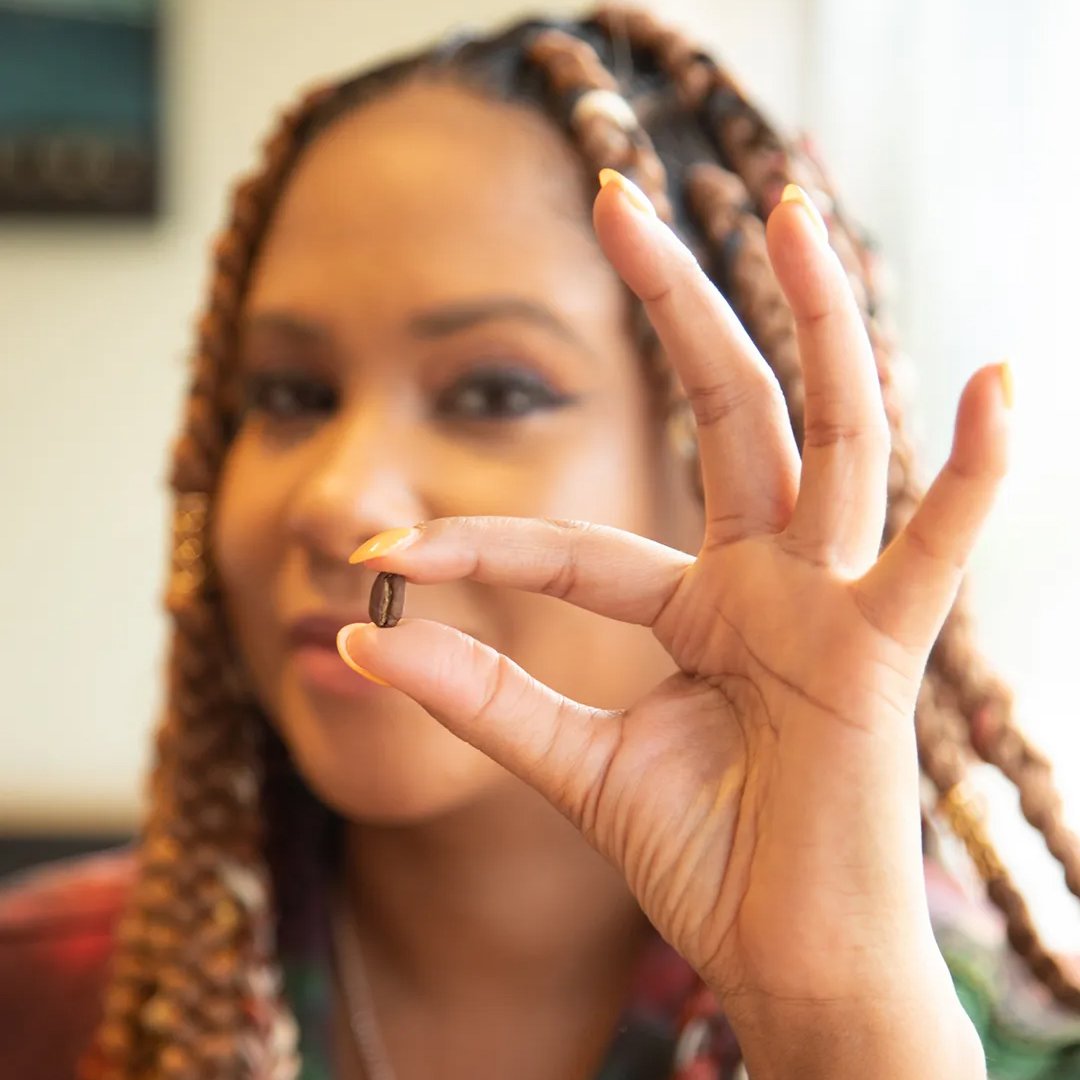
Coffee Uplifts People co-founder Angela Yee holding a coffee bean.
After
Before

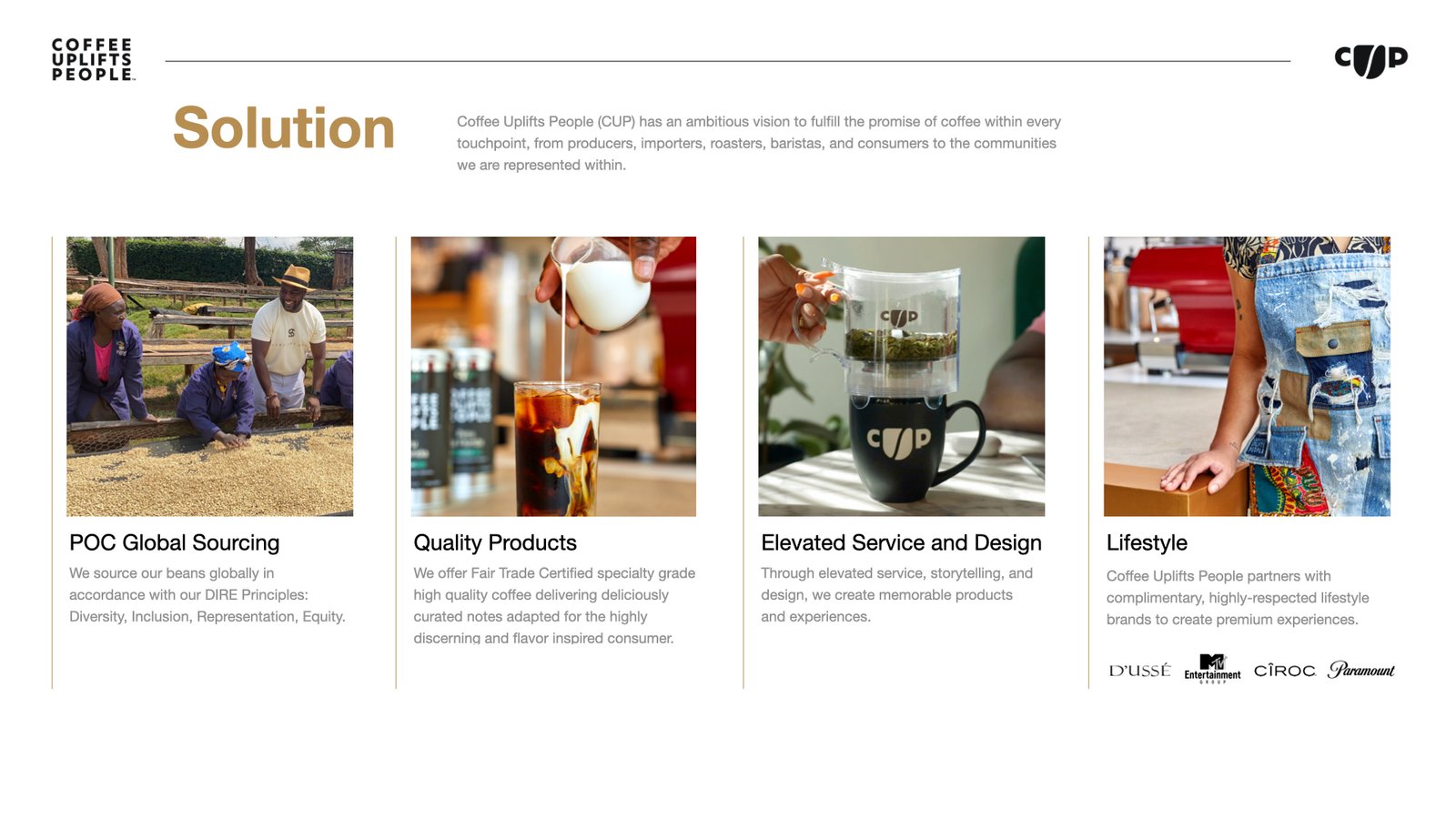
Coffee Uplifts People has an ambitious vision to fulfill the promise of coffee. From producers to importers, roasters, baristas, and consumers, CUP is fulfilling the promise of coffee at every touchpoint.

Unlocking the promise of coffee from crop to CUP!

pillars-cup outlined filled
pillars-cup filled right outlined
pillars-cup outlined filled
pillars-cup filled right outlined

Testimonials

CUP in the Press

We helped transform Coffee Uplifts People (CUP) into a beloved Brooklyn hotspot, where coffee meets community in the most uplifting way. With the dynamic voice of founder Angela Yee leading the charge, CUP’s message has spread like wildfire, rallying everyone who believes in the transformative power of coffee. This dynamic brand has captured the attention of the press, spotlighting CUP as a beacon of diversity, inclusion, and empowerment in the coffee industry.​

Build a Brand Designed for Growth

Channing & Company develops Brand Infrastructure connecting strategy, identity, products, experiences, digital platforms, marketing, partnerships, and governance.

The result is a brand that helps teams make better decisions, delivers a coherent customer experience, and gives the company a stronger foundation for growth across markets and channels.

Tell us about your company, growth objectives, markets, internal team, current brand challenges, required scope, timeline, and investment range.

Frequently Asked Questions about Omnichannel Brand Strategy & Design

An omnichannel brand strategy connects how a company positions itself, develops products, communicates, sells, and serves customers across physical, digital, retail, hospitality, and business-to-business channels. Each channel performs a particular commercial role while reinforcing one recognizable brand.


As Head of Brand and Marketing, Channing Bailey led CUP’s brand strategy, governance, identity, product portfolio, packaging, flagship experience, grocery and retail marketing, hospitality program, e-commerce, loyalty, partnerships, campaigns, content, performance marketing, and growth strategy.


Channing & Company served as CUP’s brand and marketing partner, helping translate the strategy into connected products, platforms, communications, experiences, commercial tools, and market-facing programs.

CUP connected consumer products, e-commerce, grocery distribution, a Brooklyn flagship, restaurant relationships, enterprise accounts, cultural partnerships, events, and integrated marketing. Together, these channels expanded how customers could discover, purchase, experience, and build a relationship with the brand.

The work contributed to seven-figure revenue growth, 300% e-commerce growth, 100% sell-through during featured Target and Whole Foods programs, 12x return on ad spend, 1,150% organic audience growth, and a 7:1 revenue-to-marketing-cost ratio.

Brand Infrastructure is the connected foundation through which a company defines, manages, expresses, and grows its brand. It connects strategy and identity to products, platforms, customer experiences, marketing, partnerships, internal tools, and governance.


Brand identity defines how a company looks, sounds, and presents itself. Brand Infrastructure connects that identity to the wider business, including its products, teams, channels, customer experiences, commercial priorities, and growth plans.

Yes. Channing & Company develops Brand Infrastructure for consumer, food, beverage, retail, hospitality, and founder-led companies. Engagements can connect positioning, identity, products, packaging, e-commerce, retail, marketing, partnerships, experiences, and governance.

Yes. Channing & Company can determine what should be retained, refined, extended, or rebuilt based on the brand’s existing equity, growth objectives, audiences, markets, channels, and internal capabilities.

Yes. Channing & Company can develop the central idea, positioning, naming, partnership strategy, identity, programming structure, campaign creative, production approach, and audience journey for a new cultural or experiential platform.

Begin by sharing the company’s growth objectives, markets, audiences, existing brand challenges, internal capabilities, required channels, timeline, and investment range. Channing & Company can then recommend the appropriate scope and sequence.

Yes. Channing & Company works across markets and can coordinate the strategic, creative, experiential, production, hospitality, and partner-facing elements of a multi-city platform. The final scope depends on the locations, collaborators, travel, production requirements, and internal resources involved.

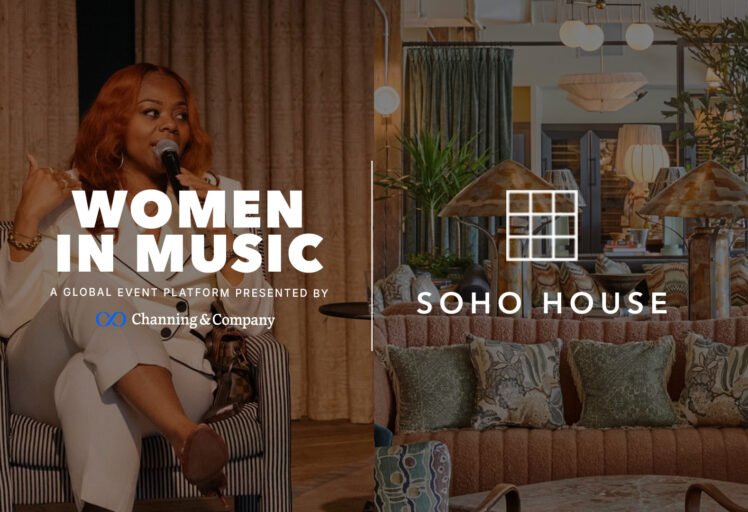
Women in Music is a global event platform created and presented by Channing & Company in partnership with Soho House.

Women in Music is a global event platform created and presented by Channing & Company in partnership with Soho House. Designed to celebrate the women shaping sound and shifting culture, the series brought leaders from Amazon Music, Spotify, Columbia Records, Epic Records, Def Jam Recordings, Republic Records, Sony Music, EMPIRE, and other influential organizations into candid conversation and meaningful connection.

Channing & Company led the platform strategy, brand partnerships, cultural programming, creative direction, event marketing, production, and audience experience. A flexible identity and repeatable programming model allowed the concept to travel from Nashville to Amsterdam and New York City while adapting to each market. What began as a Women’s History Month gathering became an international cultural platform spanning four editions, three cities, and two countries.

Project: Women in Music x Soho House
Created and Presented by: Channing & Company
Global Hospitality Partner: Soho House
Strategy and Creative Direction: Channing Bailey, Erika Bennett
Production Partner: ssssIRVE

Project Scope: Event Platform Strategy, Brand Strategy, Positioning, Brand Partnerships, Cultural Programming, Creative Direction, Art Direction, Event Identity Design, Campaign Development, Speaker Marketing, Experiential Marketing, Hospitality Experience Design, Speaker and Talent Coordination, Partner Management, Event Production, Account Management, and Multi-Market Expansion.

Client

Coffee Uplifts People

Disciplines

Omnichannel Brand Strategy
CPG Brand Strategy
Food and Beverage Branding
Brand Positioning
Brand Architecture
Brand Governance
Brand Identity Design
Creative Direction
Product Portfolio Strategy
Coffee Packaging Design
E-Commerce Strategy
Digital Marketing
Customer Loyalty Strategy
Retail Brand Strategy
Grocery and Shopper Marketing
Hospitality Marketing
Wholesale Marketing
Flagship Retail Experience
Environmental Branding
Experiential Marketing
Integrated Marketing
Performance Marketing
Content Strategy
Brand Partnerships
Sales Enablement
Growth Strategy

Explore
Drag